Multi-Functional Window Treatments: What to Expect Next
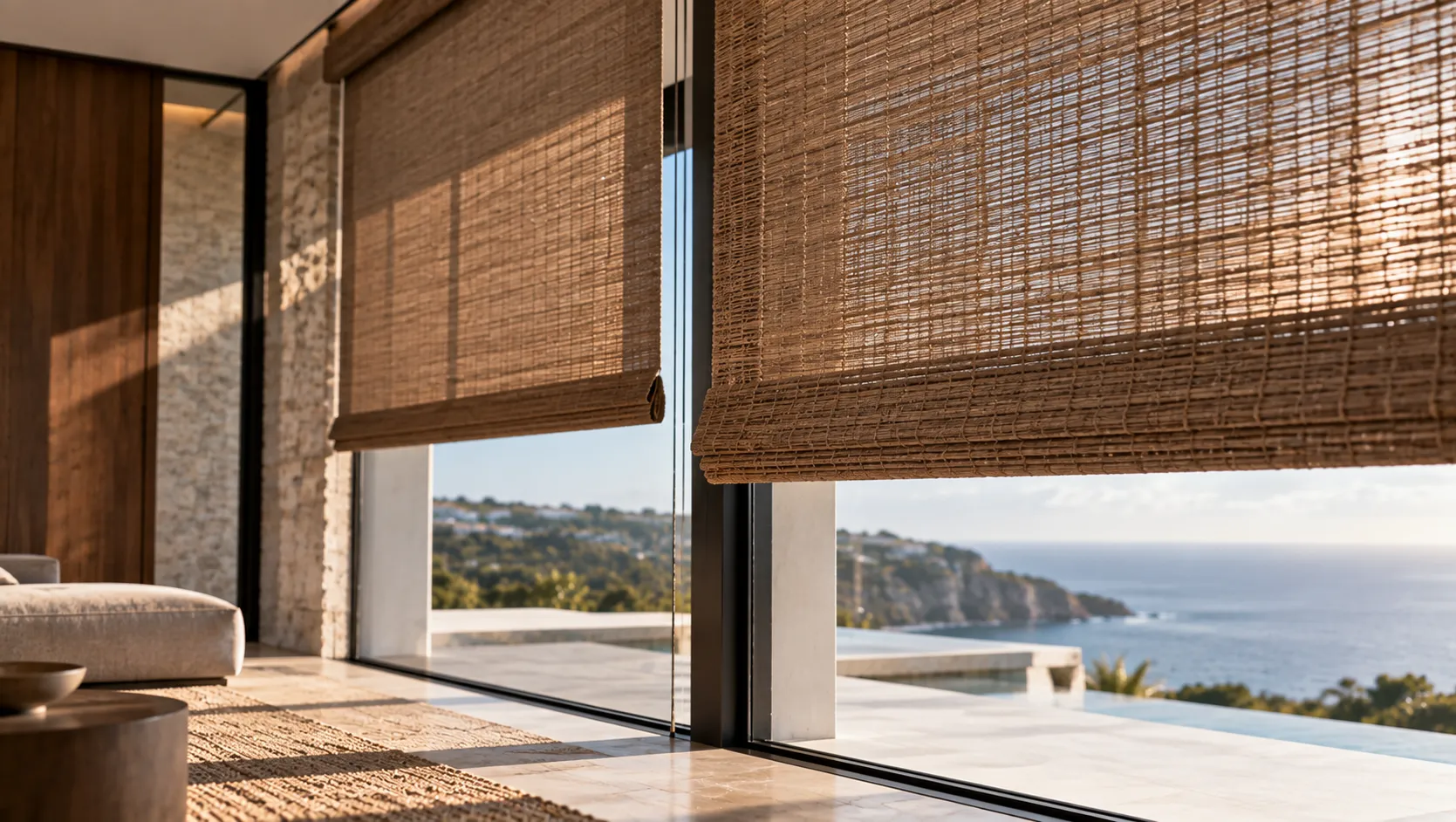
A window treatment may need to filter daylight, reduce glare, provide privacy, create darkness, frame a view and contribute to the interior design. Multi-functional planning works best when these jobs are identified separately rather than expecting one product to solve everything.
Define the jobs first
List what the window needs during daytime and nighttime. A living room may need glare control while retaining an outdoor view. A bedroom may prioritise privacy and darkness. A dining space may mainly need flexible daylight.
Use layers when necessary
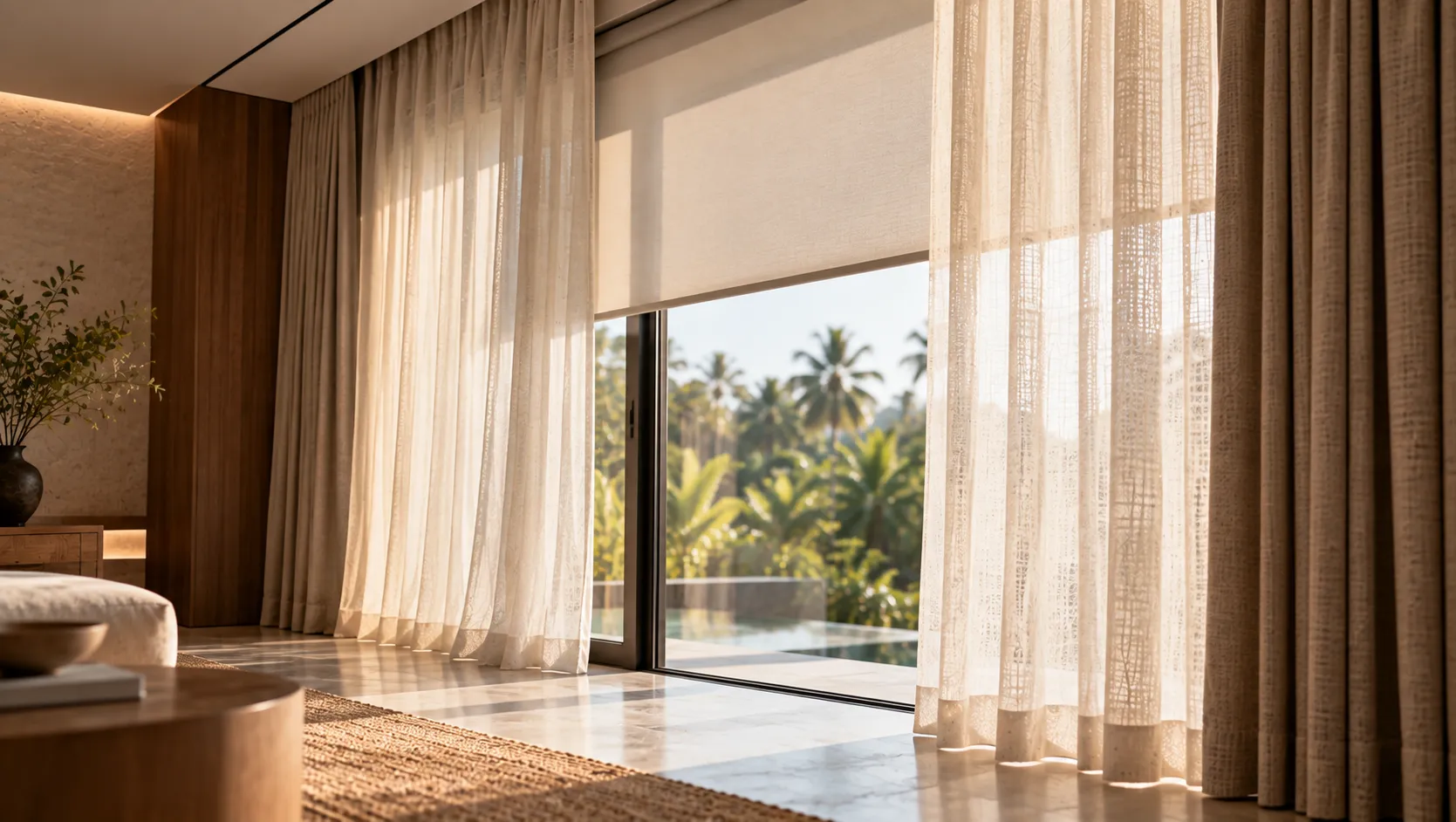
A sheer can soften daylight while a heavier curtain provides stronger privacy and darkness. A roller blind can manage glare close to the glass while decorative curtains add softness. Layering increases flexibility, but it also requires careful planning of brackets, tracks and clearances.
Consider operation
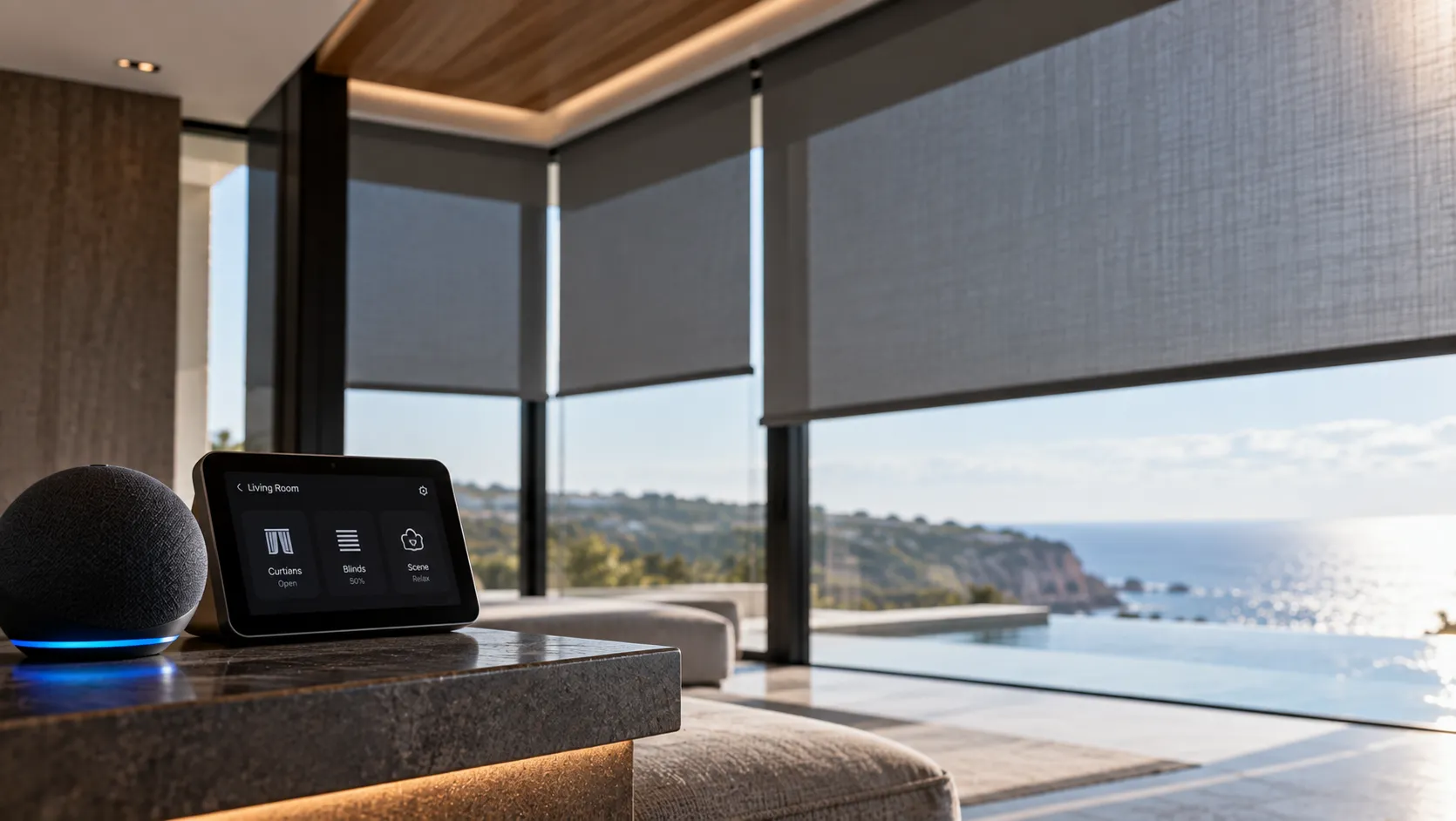
A system is only useful if occupants can operate it easily. Think about frequency of use, independent control of layers and window height. Motorization can be practical for high or wide openings.
Check physical constraints
- Ceiling and wall space.
- Door handles and opening direction.
- Air-conditioning and ventilation.
- Fabric weight and track capacity.
- Stack-back space.
- Power access for motorization.
Room examples
Bedroom: sheer plus blackout can separate daytime softness from nighttime darkness.
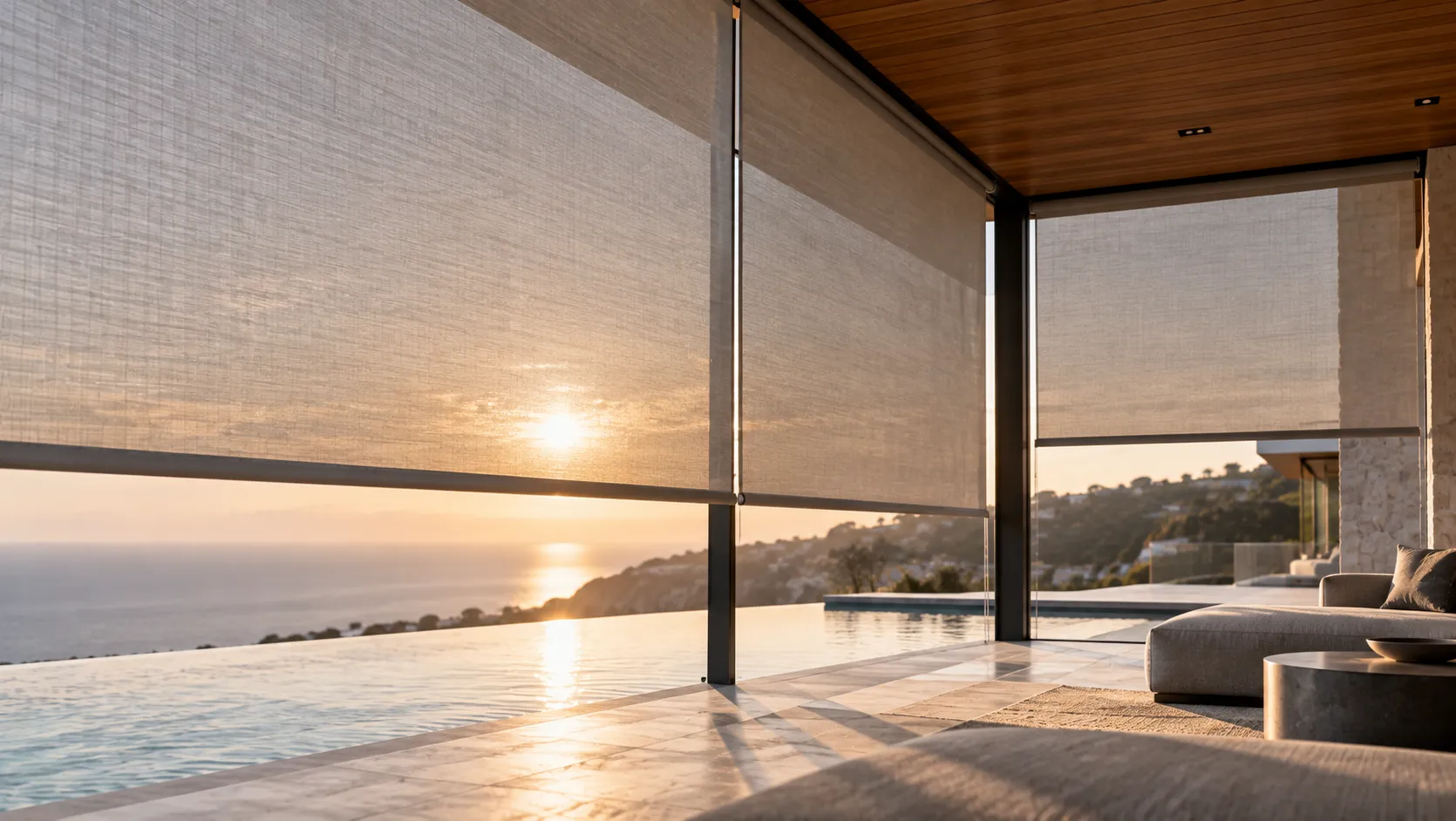
Living room: a light-filtering blind can control glare while curtains provide privacy and warmth.
Sliding doors: wide curtains can preserve the indoor-outdoor connection while another layer handles direct sun.
What to avoid
Do not add layers simply because they look premium. Every component should have a clear job; unnecessary layers increase cost, installation complexity and maintenance.
Related guides
Read our layered window treatments guide, fabric selection guide and buying guide.