Curtain Pattern Repeat and Fabric Matching: A Production Guide
When ordering patterned curtains, the fabric design is only part of the decision. Pattern repeat, motif direction and the way motifs align across panels can affect fabric consumption, seam placement and the finished appearance. These are production-planning questions, not just colour choices, so they should be settled before fabric is cut.
What is a pattern repeat?
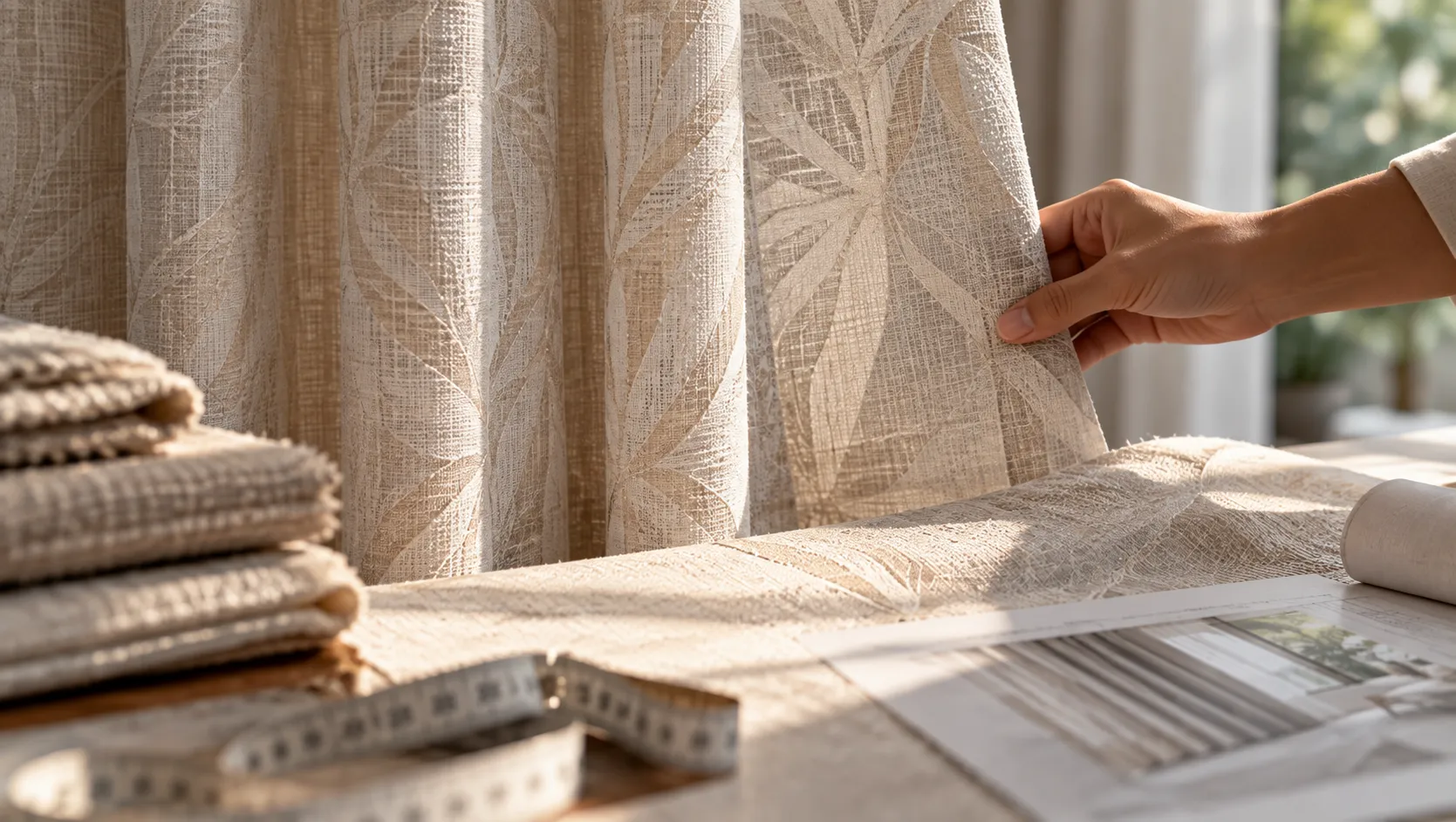
The repeat is the distance before a printed or woven motif begins again. A small repeat may be easy to align across several panels; a large repeat can require extra fabric so each panel begins at a suitable point in the design. Some patterns also have a half-drop or staggered repeat, which changes where the motif returns.
Check pattern direction
Directional designs may have a clear top and bottom. Before ordering, confirm that the fabric will be used in the intended direction and that the motif will not appear rotated or upside down. This is especially important for botanical prints, large geometric designs and fabrics with a strong border.
Plan alignment across panels
Matching a motif across adjacent curtain panels can create a more continuous visual effect, but it may increase fabric requirements. Ask the workroom or supplier how the pattern will be positioned at the leading edges and joins. A perfect match may not be practical for every design or window, so agree on the intended result before production.
Why fullness and folds matter
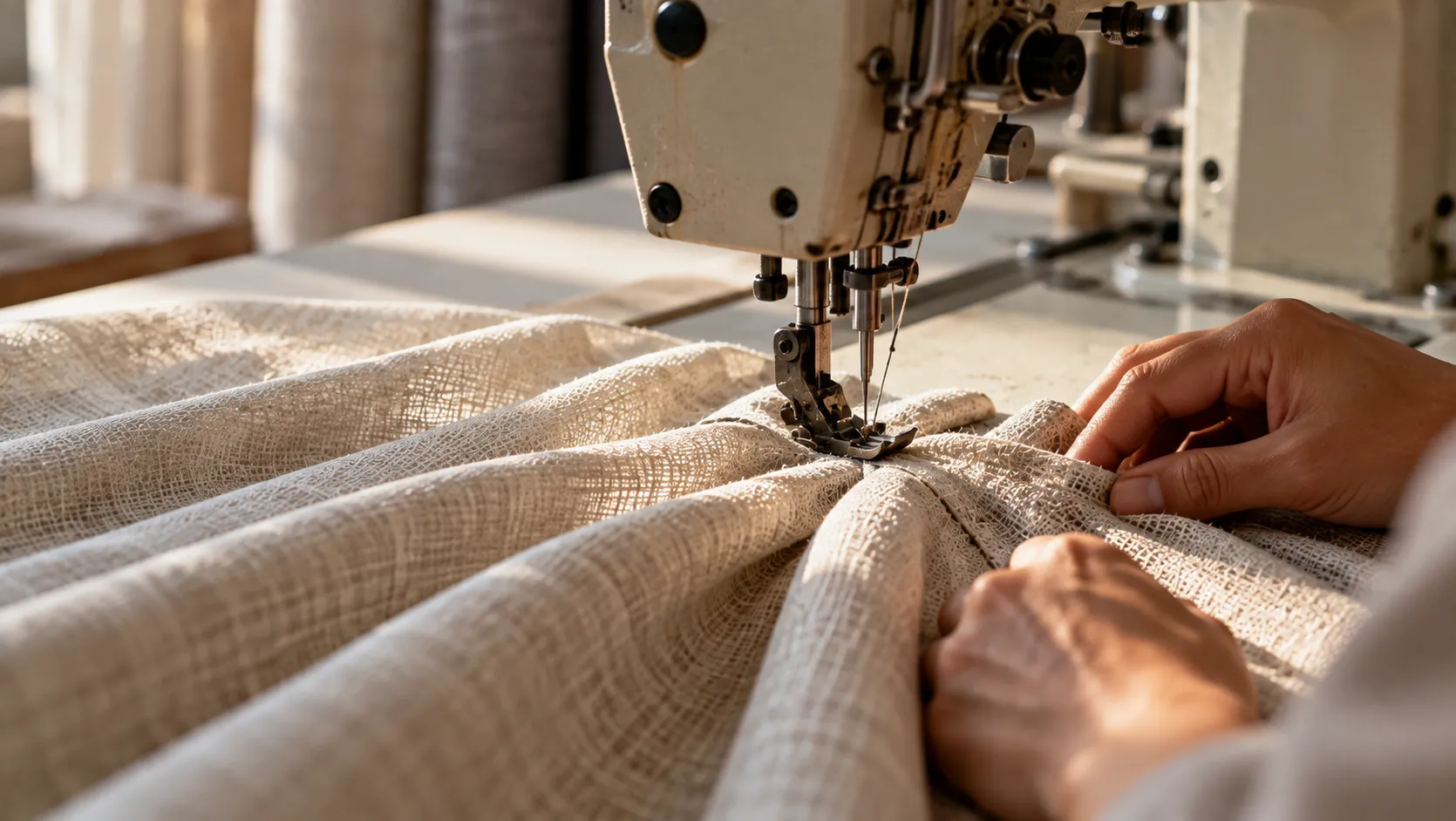
Gathering creates folds that partly hide the print. A motif that appears large and clear on a flat sample can look different when the curtain is pleated. The heading style and fullness ratio should therefore be considered alongside the repeat. For a prominent pattern, ask to see a larger sample or a sketch of how the motif is expected to fall.
What affects fabric allowance?
- Finished drop: Taller curtains may need additional lengths and repeat alignment at the top of each panel.
- Pattern repeat: Larger repeats can increase cutting allowance.
- Panel width and fullness: Wider or fuller curtains require more fabric.
- Matching requirements: Matching adjacent panels or multiple windows can increase consumption.
- Fabric width: The available roll width affects seam planning and layout.
For this reason, a price estimate based only on window width may change after the actual fabric, drop, fullness and matching requirements are confirmed. Ask for the production calculation to be explained before approval.
Questions to settle before cutting
- What is the horizontal and vertical repeat?
- Does the motif have a required direction?
- Should the design match across adjacent panels or windows?
- Where will the motif sit relative to the heading and floor?
- How much extra fabric is needed for matching?
- Will the selected heading hide or distort important parts of the design?
Related guides
Our curtain colour and pattern checklist covers visual coordination. You can also review the fabric types guide and custom curtains guide before finalising your order.
Confirm the finished layout first
Pattern matching is easiest to manage before fabric cutting begins. Almeers Living can help review fabric samples, finished dimensions and panel layout as part of the quotation and measurement process.