Smart Curtains & Motorization Trends: Ideas Worth Watching
Smart curtains are most useful when automation solves a clear daily problem: reaching a high window, opening a wide curtain, managing morning light or operating several treatments consistently. The focus is practical integration, not adding technology for its own sake.
Before choosing a system, check finished curtain weight, track capacity, power availability, control method, noise expectations and service access. Confirm compatibility for the exact motor and smart-home platform.
1. Scheduling Around Daily Routines
Scheduled opening and closing can create a consistent routine, such as opening bedroom curtains in the morning or closing them before evening privacy is needed. Schedules should reflect occupancy and daylight rather than run blindly at the same time every day.
2. Scene-Based Control
A scene can coordinate several curtains, such as closing bedroom curtains at night or opening selected living-room panels during the day. Decide which treatments should move together and which need independent control. For villas and hotels, controls should remain intuitive to guests and staff.
3. Voice and App Control
Apps and voice assistants can add convenience, but network conditions, setup, permissions and platform support affect the experience. Verify supported ecosystems for the specific product and keep a practical local control option where possible.
4. High and Wide Windows
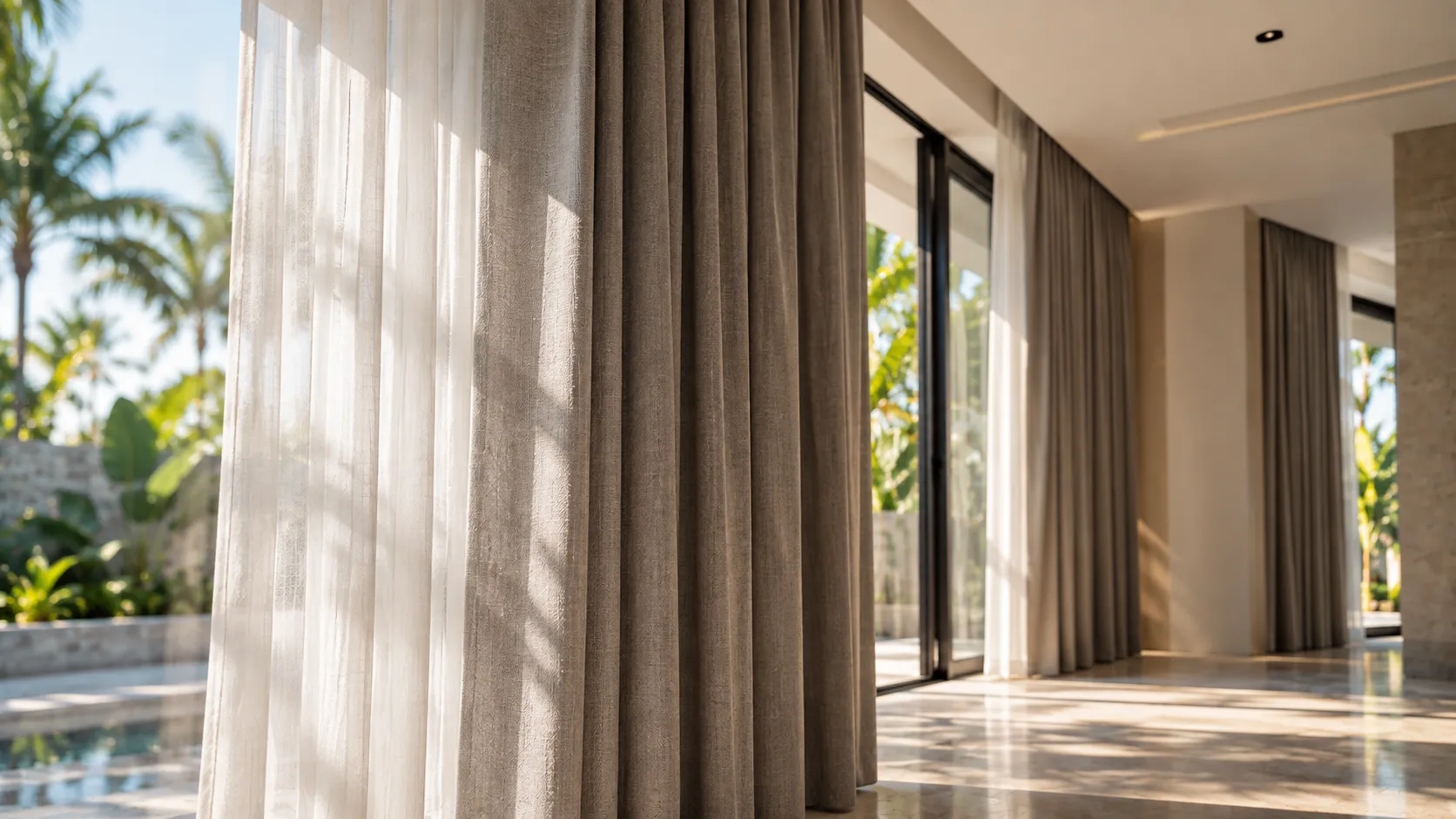
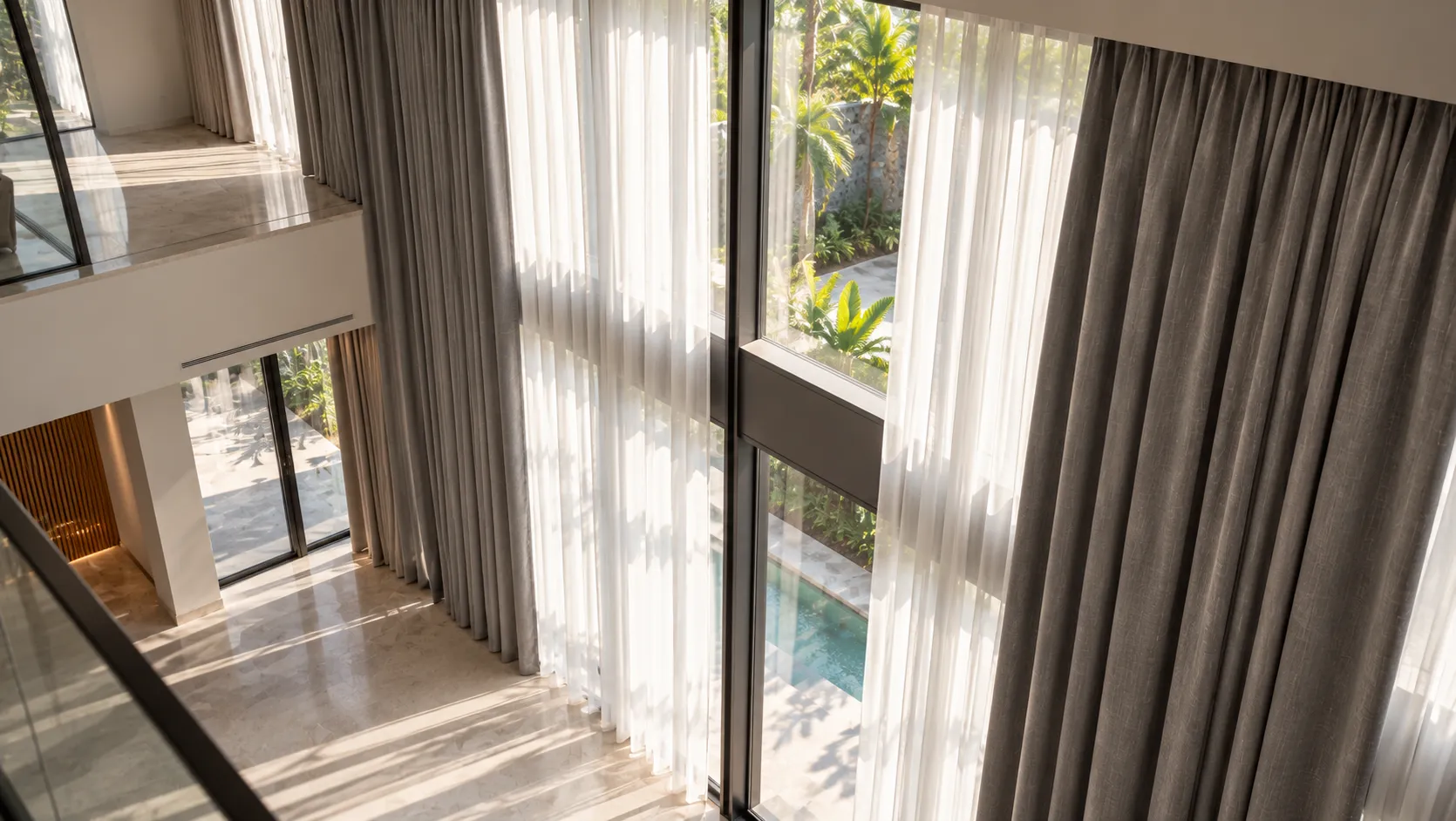
Motorized tracks can be useful for tall, heavy or wide curtains. Select the system according to the actual finished load and track layout, including curves or multiple panels where relevant.
5. Retrofit Planning
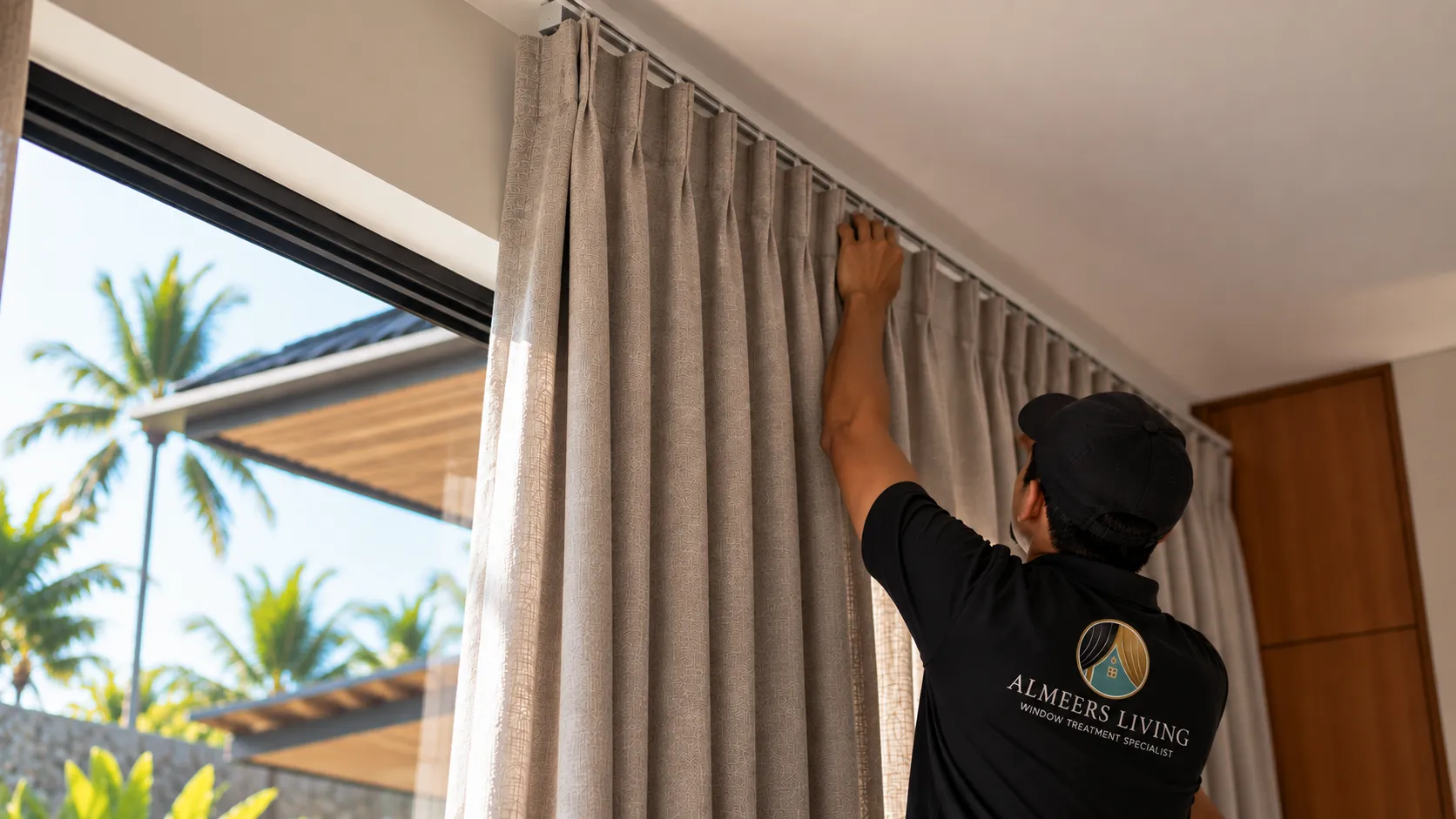
Existing properties may not have power near the motor location. Check cable routes, access, mounting space and whether ceiling or wall work is required. Wireless controls do not automatically mean the motor itself requires no power provision.
6. Quiet Operation Depends on the Whole System
Noise can be affected by the motor, track, mounting, load and alignment. A quiet motor on a poorly fixed or overloaded track may still create unwanted noise. Assess the complete system, not one component in isolation.
7. Measurement Comes First
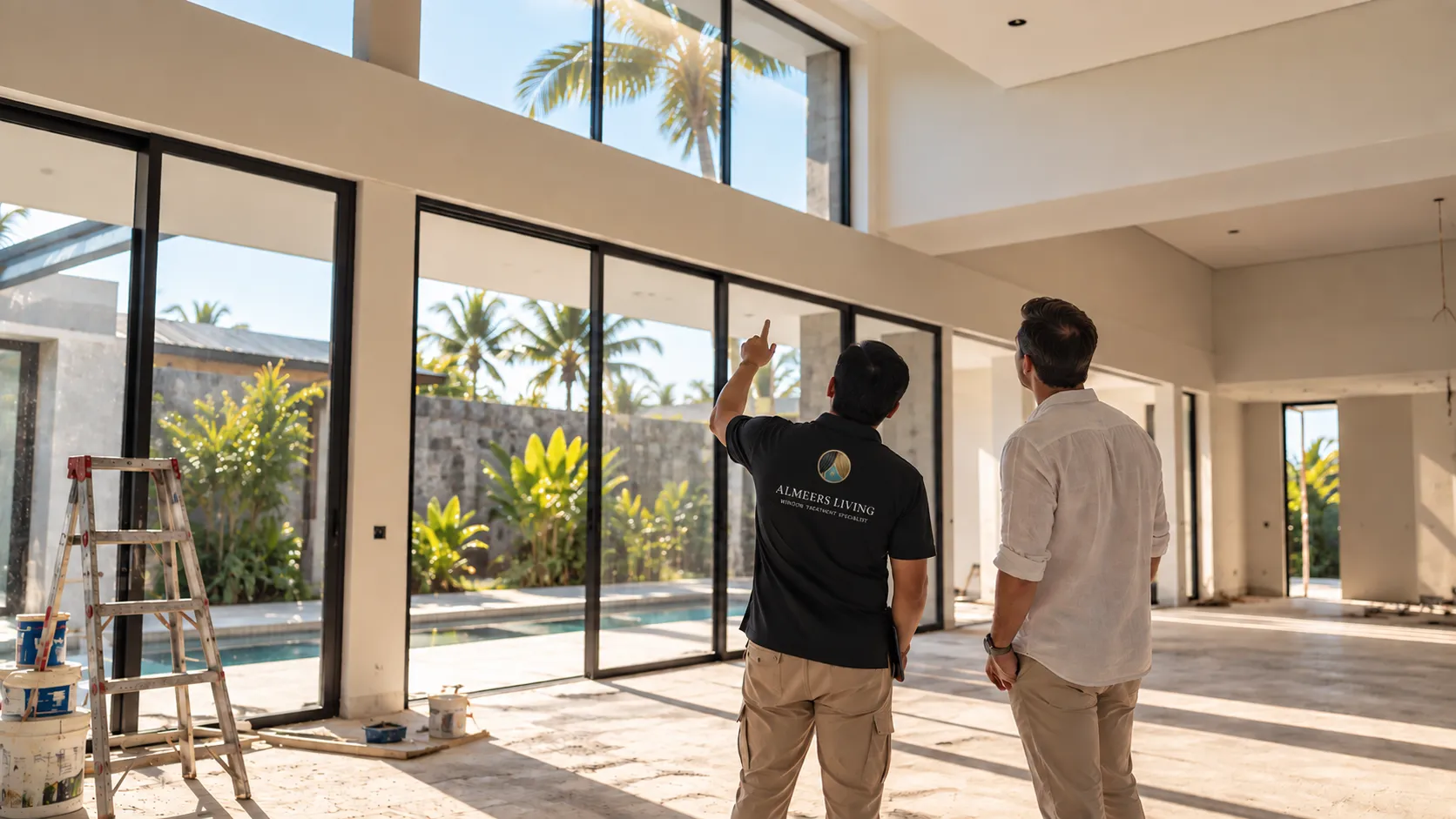
Automation cannot correct a misaligned track, unsuitable hardware or an obstructed curtain path. Confirm opening width, finished curtain weight, stack-back, handles and clearances before installation.
8. Reliability and Fallback Control
Consider what happens if the network is unavailable or a phone is not accessible. The appropriate fallback depends on the motor model; confirm it with the supplier rather than assuming every system behaves the same way.
Questions to Ask Before Buying
- What are the maximum supported curtain weight and track length?
- Which controls are included?
- Which smart-home platforms are explicitly supported?
- Is a hub or bridge required?
- What power provision is needed?
- How can the curtain be operated if app control is unavailable?
- How much clearance and service access are required?
Use Cases by Room
| Room | Potential benefit | Planning note |
|---|---|---|
| Master bedroom | Consistent night-time closing | Keep local controls accessible |
| Living room | Operate wide curtains | Check stack-back and door paths |
| High-ceiling villa | Reach difficult windows | Plan safe service access |
| Hospitality suite | Repeatable guest operation | Keep instructions simple |
Common Mistakes
- Assuming all motors work with every platform.
- Choosing a motor before calculating curtain weight.
- Ignoring power and maintenance access.
- Relying on app control without a fallback.
- Automating a curtain that is mechanically difficult to move.
Motorization can be useful for Bali villas with high ceilings and large windows, provided that maintenance, electrical coordination and simple guest operation are considered. Almeers Living can help assess the opening and coordinate fabric, track, measurement and installation.