Customization & Personalization Trends: What Designers Are Choosing Now
The strongest customization trend is not simply choosing a more unusual colour. Designers are increasingly treating window treatments as part of the architecture and comfort strategy: tailored dimensions, tactile materials, layered systems, discreet hardware and practical control all matter.
What Is Driving Personalization?
Every property has different glazing, daylight, privacy requirements, ceiling conditions and interior proportions. Custom specification becomes more valuable as windows become larger, taller or more architecturally complex.
1. Tailored Dimensions
Custom width and drop allow the curtain to follow the actual architecture instead of forcing the window into a standard size. Full-height curtains can also align with ceiling lines and floor proportions.
2. Tactile Natural Textures
Linen, linen blends and other textured fabrics add depth without requiring bold patterns. Texture can make a neutral curtain feel considered and architectural.
3. Layered Window Treatments
Sheer + blackout combinations allow one window to serve different functions throughout the day. Sheer can support daylight and daytime privacy, while the second layer provides stronger privacy and darkness.
4. Discreet Hardware
Ceiling-mounted and recessed tracks can make the window treatment feel more integrated with the architecture. The hardware should support the proportions and operation of the room.
5. Personalised Control
Motorization is increasingly useful where curtains are very wide, very tall, difficult to reach or integrated into a smart-home environment. The useful trend is practical automation rather than technology added only for novelty.
6. Room-by-Room Specification
| Room | Typical personalization priority |
|---|---|
| Master bedroom | Privacy, darkness, fabric feel and quiet operation |
| Living room | Daylight, views, scale and architectural appearance |
| Home office | Glare control and screen comfort |
| Hospitality room | Durability, easy operation and guest comfort |
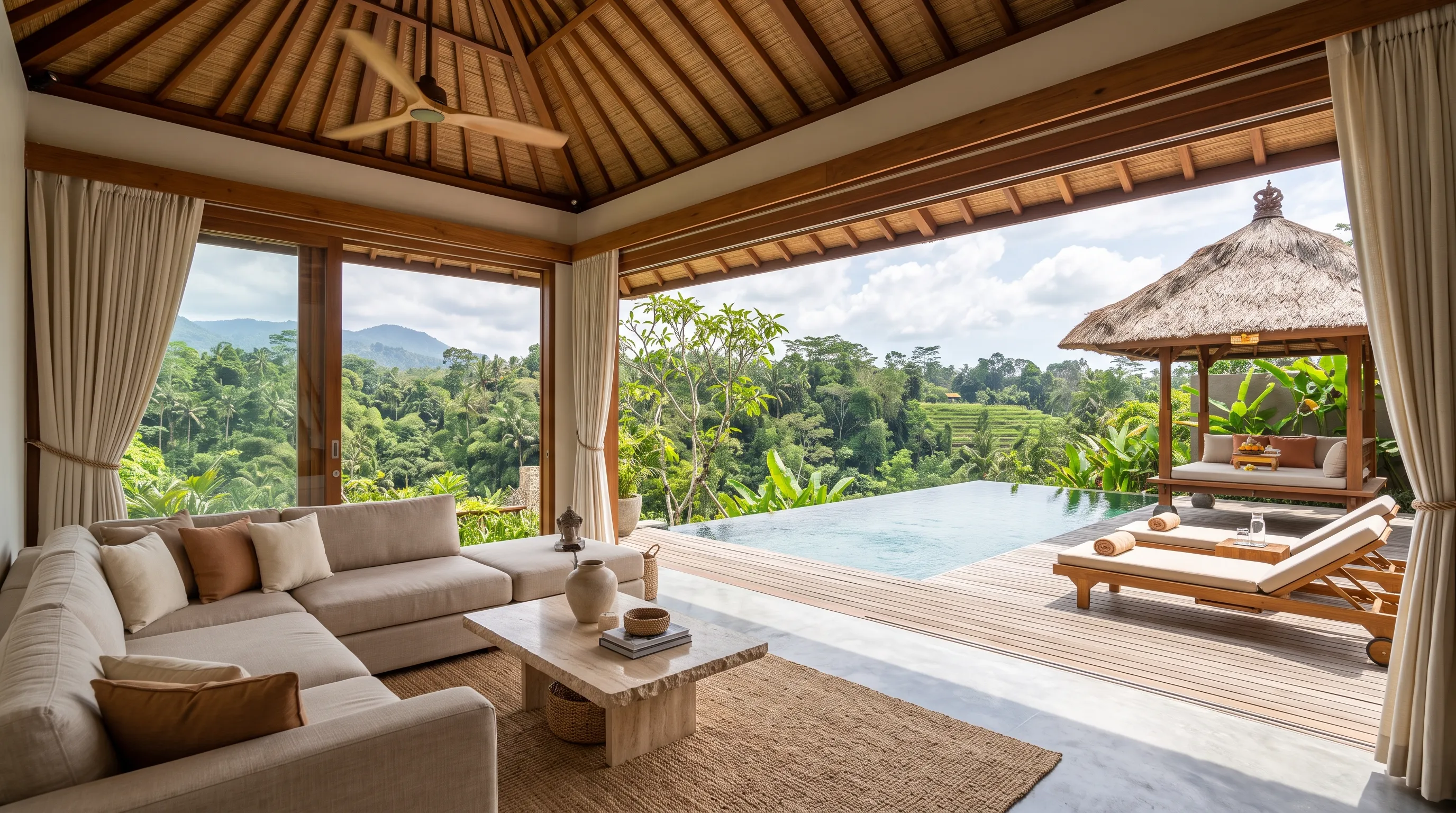
| Large glazed opening | Hardware span, stacking and operating method |
What Is a Durable Trend?
A durable trend solves a real design or performance problem. Warm neutrals may remain useful, but the lasting idea is using colour and texture that support the room. Motorization is most valuable when it solves access or operating problems.
Bali Application
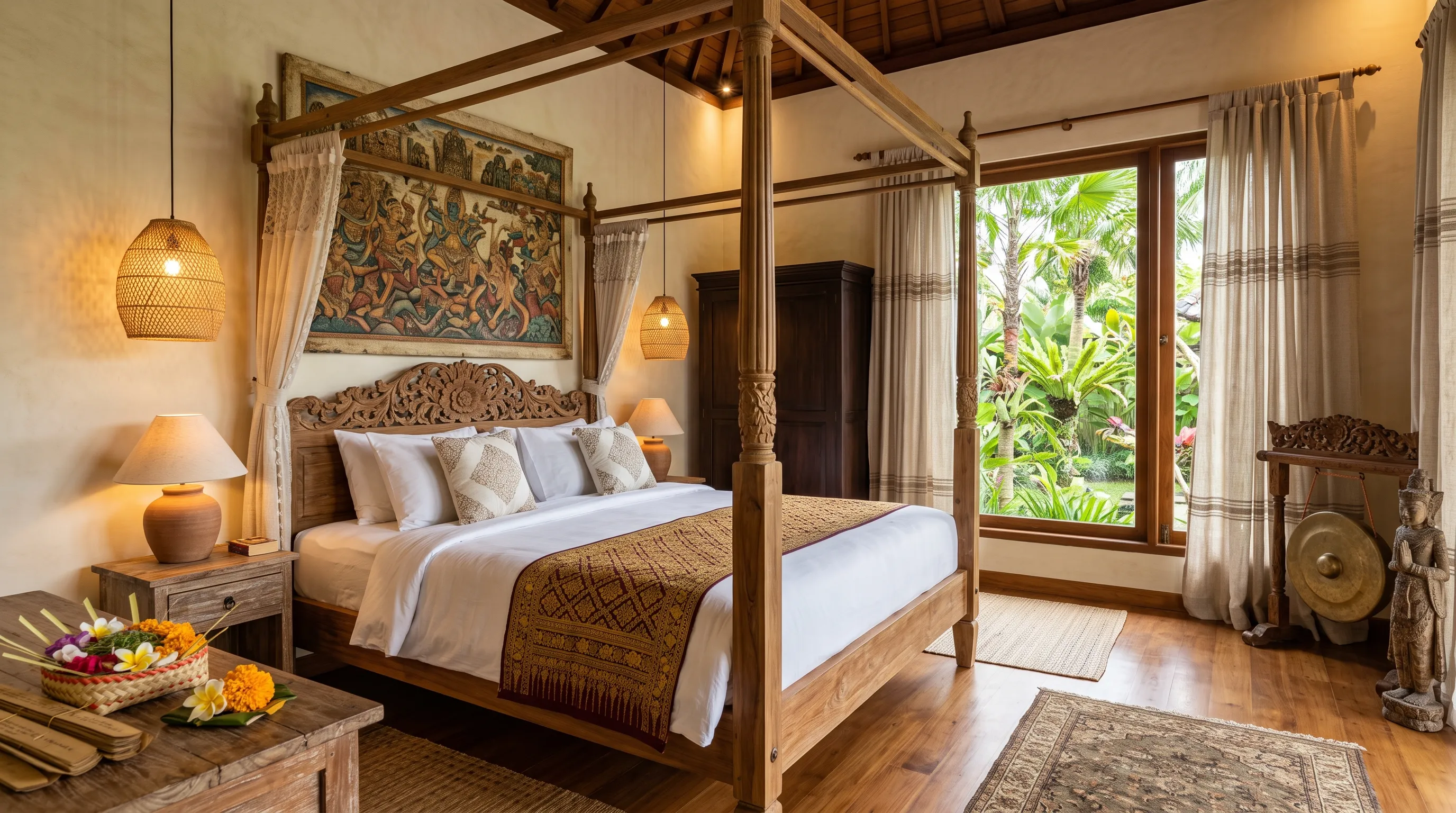
Bali villas often combine large glazing, strong daylight, indoor-outdoor connections and natural materials. Personalization can mean selecting the right fabric weight, privacy level, hardware and operating method for each opening rather than making every room identical.
Common Mistakes With Customization
- Customizing colour without solving performance requirements.
- Choosing a fabric without checking width and drop.
- Adding motorization without planning power and maintenance access.
- Using the same fullness across every fabric.
- Ignoring stack-back space on large sliding doors.
Designer Checklist
- What problem should the treatment solve?
- What is the finished opening size?
- What light and privacy level is required?
- Which texture and colour support the architecture?
- Does the fabric suit the required drop?
- Which heading and fullness suit the fabric?
- Where will the panels stack?
- Would manual or motorized operation be more practical?
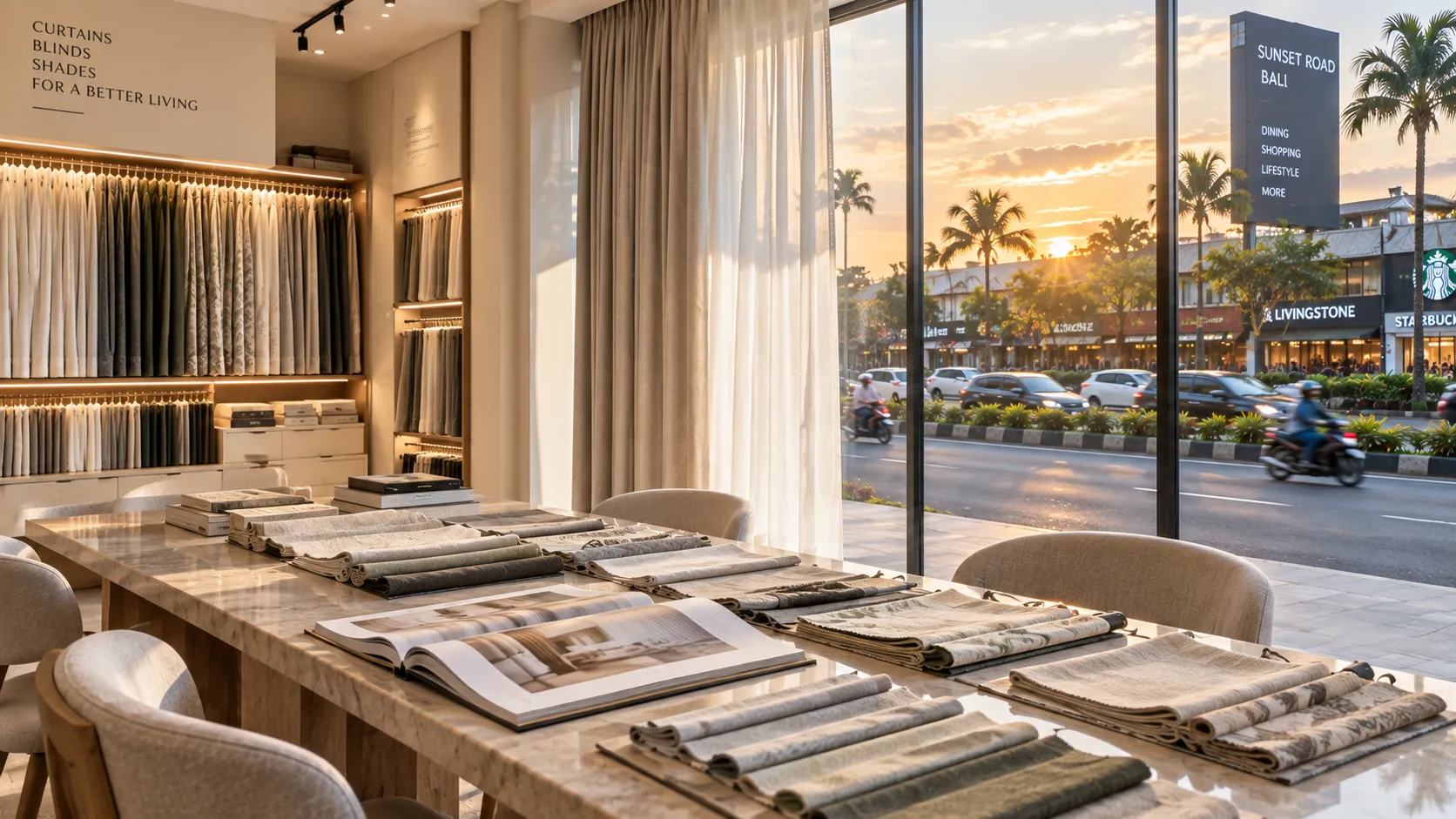
Almeers Living provides custom consultation, measurement, fabric selection and installation for villas, residences and hospitality projects across Bali.