Drapery with Intricate Design Patterns: What to Expect Next
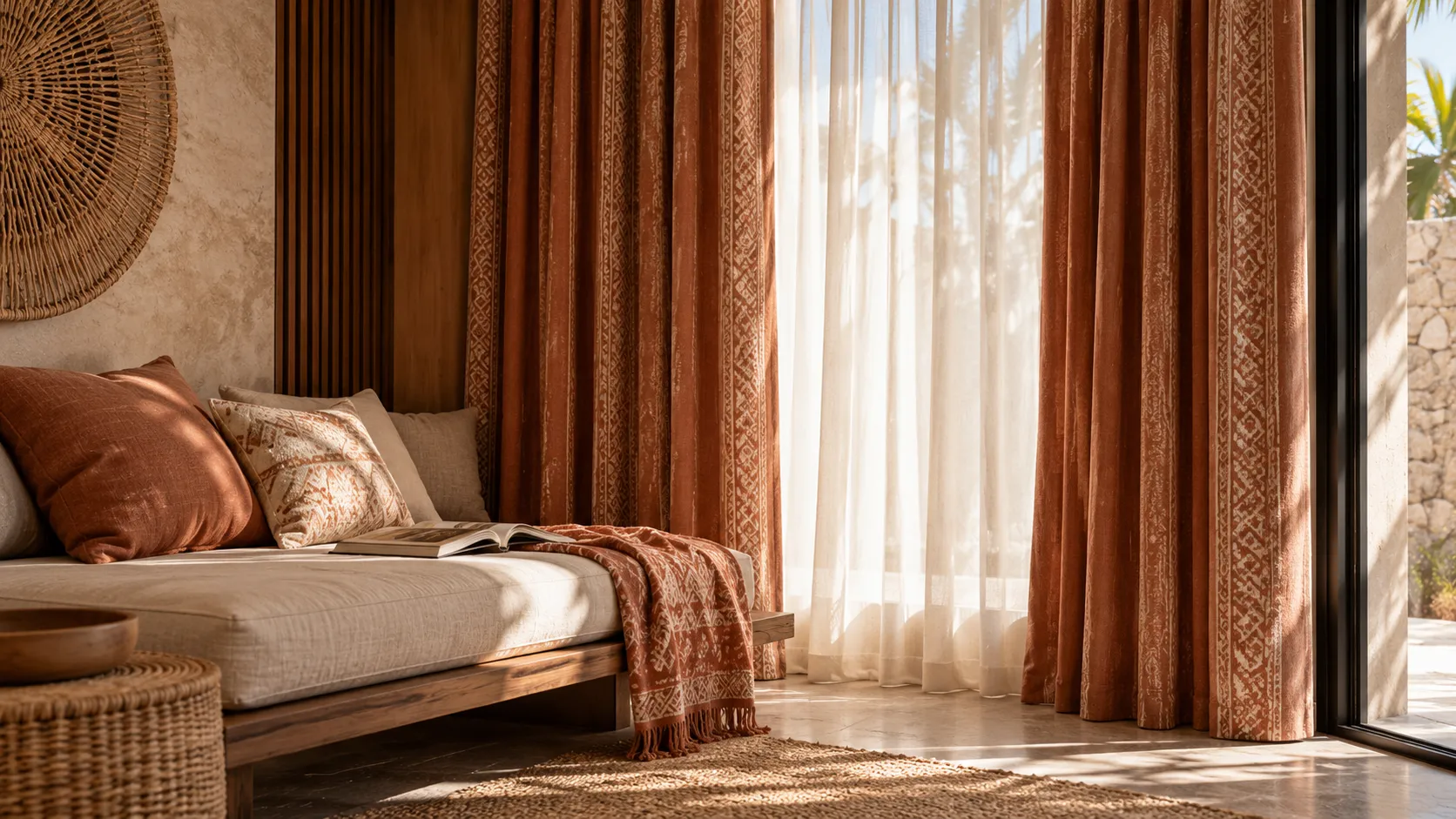
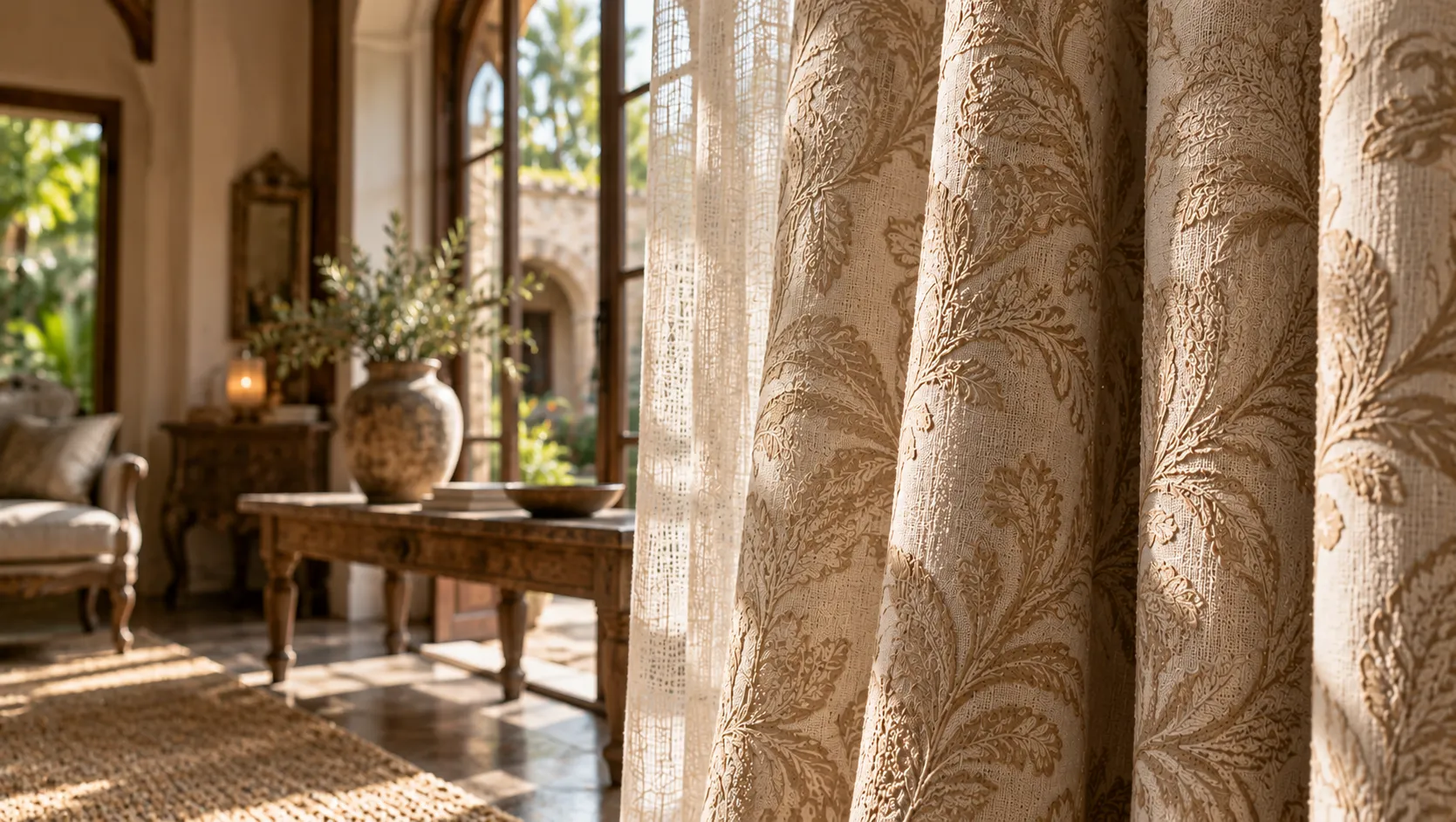
Patterned drapery can completely change the character of a room. As interiors become more personal, designers are using florals, geometric motifs, stripes and artisanal-inspired patterns as controlled focal points rather than covering every surface with decoration.
The challenge is scale. Curtains often occupy a large visual area, so a pattern that looks subtle on a small sample can become dominant when repeated across a full wall.
Start With Pattern Scale
Large-scale patterns create a stronger statement and work best when surrounding finishes are relatively quiet. Smaller patterns can feel understated but may become visually busy across very wide curtains.
Choose a Clear Colour Relationship
A patterned curtain does not need many colours. Two or three coordinated tones can create a sophisticated result. Pull one colour from the existing room palette rather than introducing several unrelated colours.
For a broader approach, see our expert curtain colour checklist.
Intricate Patterns Need Good Proportions
Full-height curtains, generous folds and properly positioned tracks can help a complex pattern feel intentional. Poor measurement or insufficient fabric fullness can distort the visual rhythm.
Where Patterned Drapery Works Best
- Bedrooms where a more intimate atmosphere is desired.
- Boutique villas and hospitality spaces needing distinctive identity.
- Reading rooms or private lounges.
- Neutral living rooms where the curtain can act as a focal point.
Balance Pattern With Plain Layers
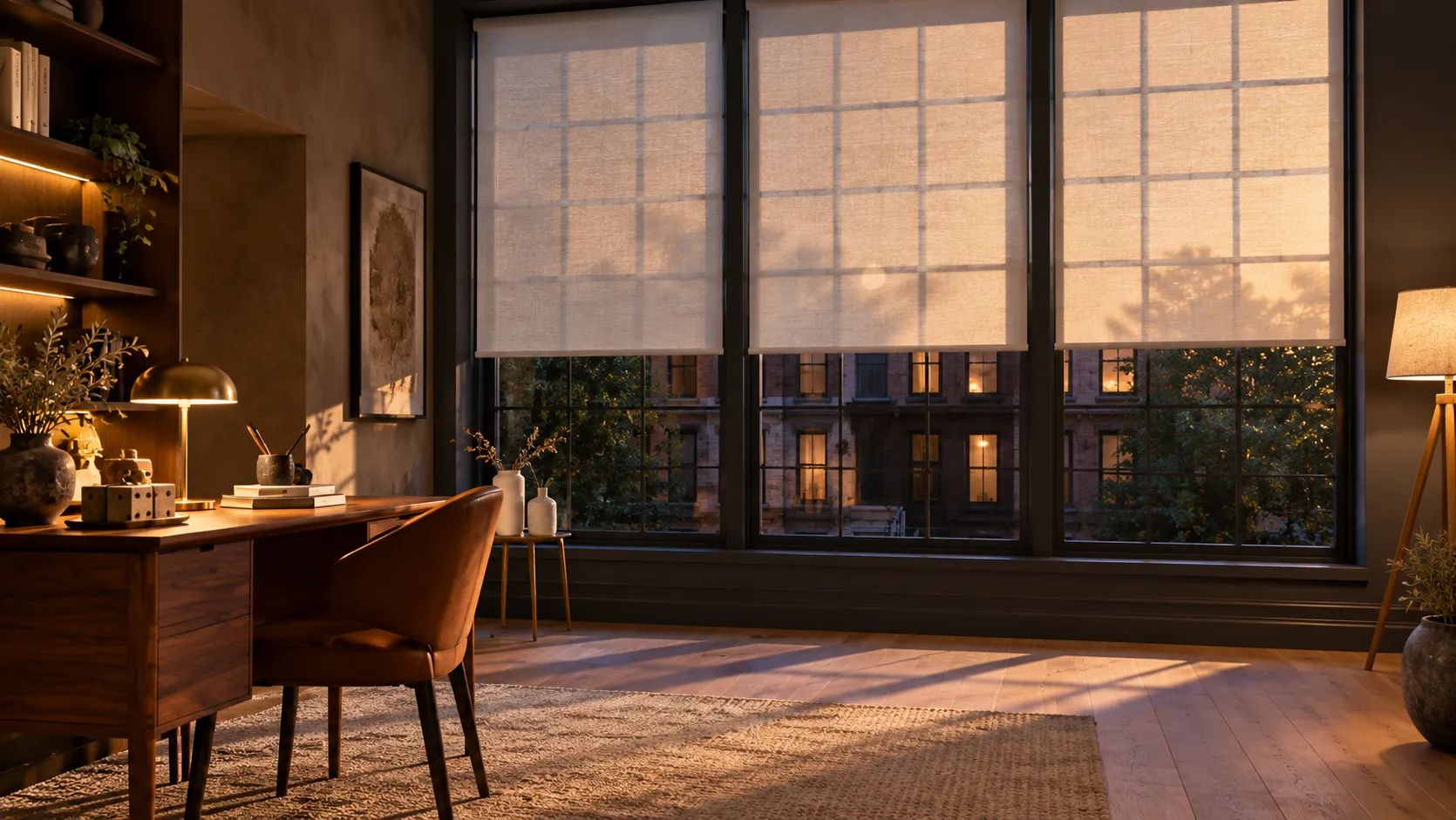
If a patterned curtain is strong, pair it with a quieter sheer or roller blind. Layering gives practical light and privacy control while preventing the pattern from becoming visually overwhelming.
See our layered window treatment guide.
Final Takeaway
The next generation of patterned drapery is expressive but edited. Choose the right scale, keep the colour relationship controlled and let the pattern become one intentional part of the interior.