Eco-Friendly Curtains: Sustainable Fabrics, Energy Efficiency, and Eco-Conscious Window Styling
As sustainable architecture and eco-conscious living become central priorities in modern home design, selecting sustainable interior furnishings is essential. Eco-friendly window treatments combine environmental responsibility with high-performance light management, indoor air quality preservation, and organic visual beauty.
Here is a guide to sustainable curtain fabrics, thermal energy efficiency benefits, and non-toxic manufacturing standards.
1. Renewable Natural Fibers: Organic Flax Linen and Hemp
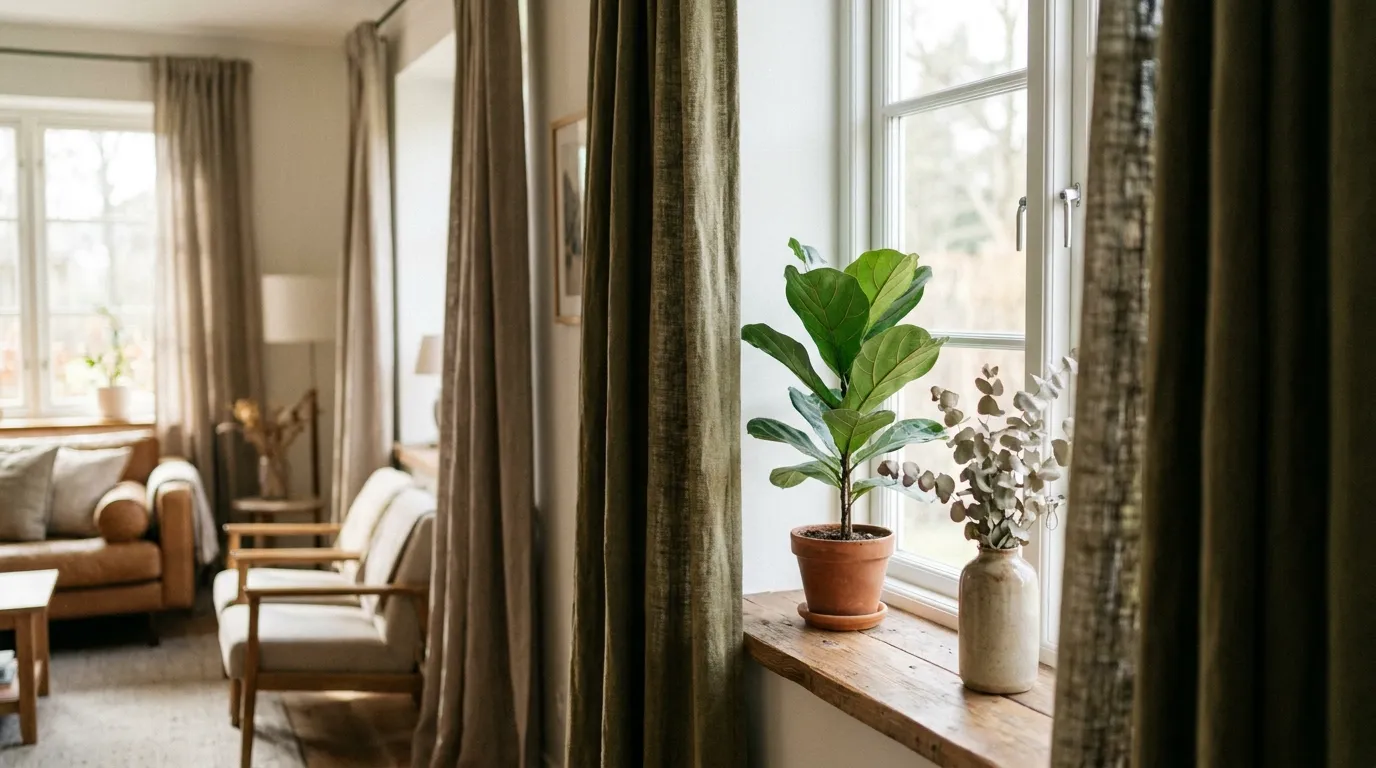
Flax linen and industrial hemp are among the most sustainable textile crops on Earth. Requiring minimal irrigation, zero synthetic pesticides, and leaving zero waste, natural flax produces durable, breathable draperies that age gracefully with an authentic slubbed texture.
2. Recycled Ocean PET Textiles
Advanced textile recycling transforms post-consumer plastic bottles salvaged from oceans into soft, durable drapery yarns. Recycled PET fabrics offer exceptional tear strength, dimensional stability, and UV resistance while actively reducing plastic waste in ecosystems.
3. Passive Thermal Efficiency and Carbon Footprint Reduction
Installing high-density eco-friendly curtains creates a protective thermal barrier near window glass. By deflecting solar heat gain during hot summer months and trapping warmth during winter, sustainable drapes decrease HVAC energy consumption, directly lowering household carbon footprints.
4. Non-Toxic Dyes and Zero-VOC Indoor Air Quality
Certifications such as OEKO-TEX Standard 100 and GOTS guarantee that curtain fabrics are free from toxic chemical dyes, heavy metals, and formaldehyde off-gassing, preserving healthy indoor air quality for your family.