Gorden Populer untuk Hunian Premium 2026: What Designers Are Choosing Now
What Defines Premium Curtains in 2026?
For premium homes and villas, a curtain is more than a decorative finish. It influences daylight, privacy, comfort, proportions, and the way materials connect throughout the room. For 2026, a useful design direction is to prioritise warm neutrals, tactile textures, layered treatments, and hardware that supports everyday use.
These are design directions rather than a universal ranking of market demand. The right solution depends on the architecture, the owners preferences, the room function, and the quality of the materials and installation.
1. Warm Neutrals That Work with Natural Materials
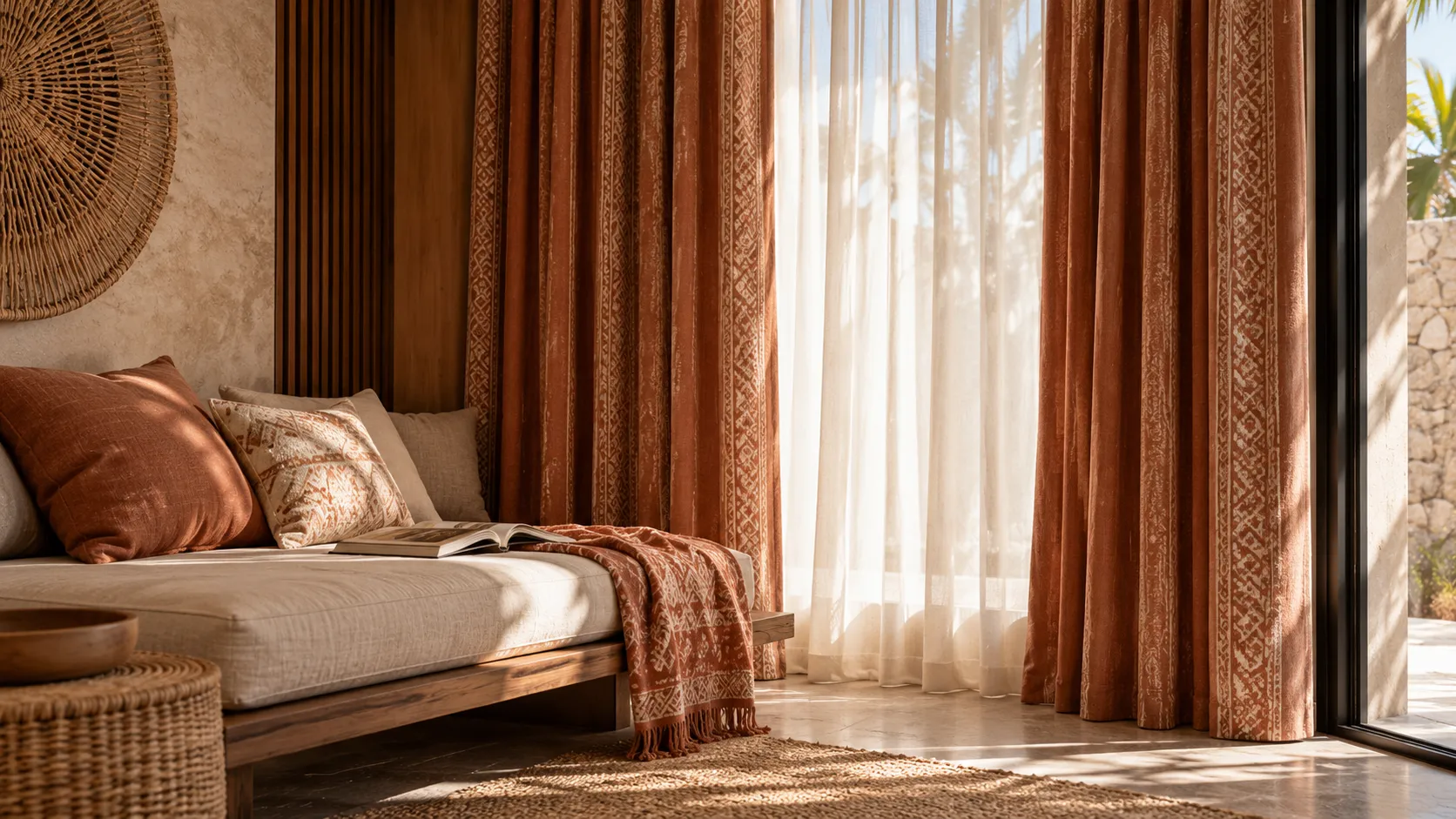
Warm white, ivory, sand, beige, taupe, and greige can complement timber, stone, and textured wall finishes. These colours offer flexibility across different interior styles and can create continuity between connected spaces.
Before deciding, view a physical sample beside the actual wall and flooring. Two fabrics that appear similar online may look different under daylight or warm artificial lighting. Check the colour at several times of day, especially for large windows.
2. Tactile Textures and Natural-Looking Fabrics
Subtle texture can add depth without relying on a bold pattern. Linen-look materials and woven textures can create a relaxed, refined atmosphere, but the visual appearance alone does not confirm fibre composition or performance. Ask for the product specification, care requirements, and sample availability.
Consider how the fabric drapes, whether the surface is suitable for the room, and how easily it can be maintained. For busy properties, durability and practical cleaning may be more valuable than a delicate finish that requires specialist care.
3. Layered Curtains for Flexible Light Control
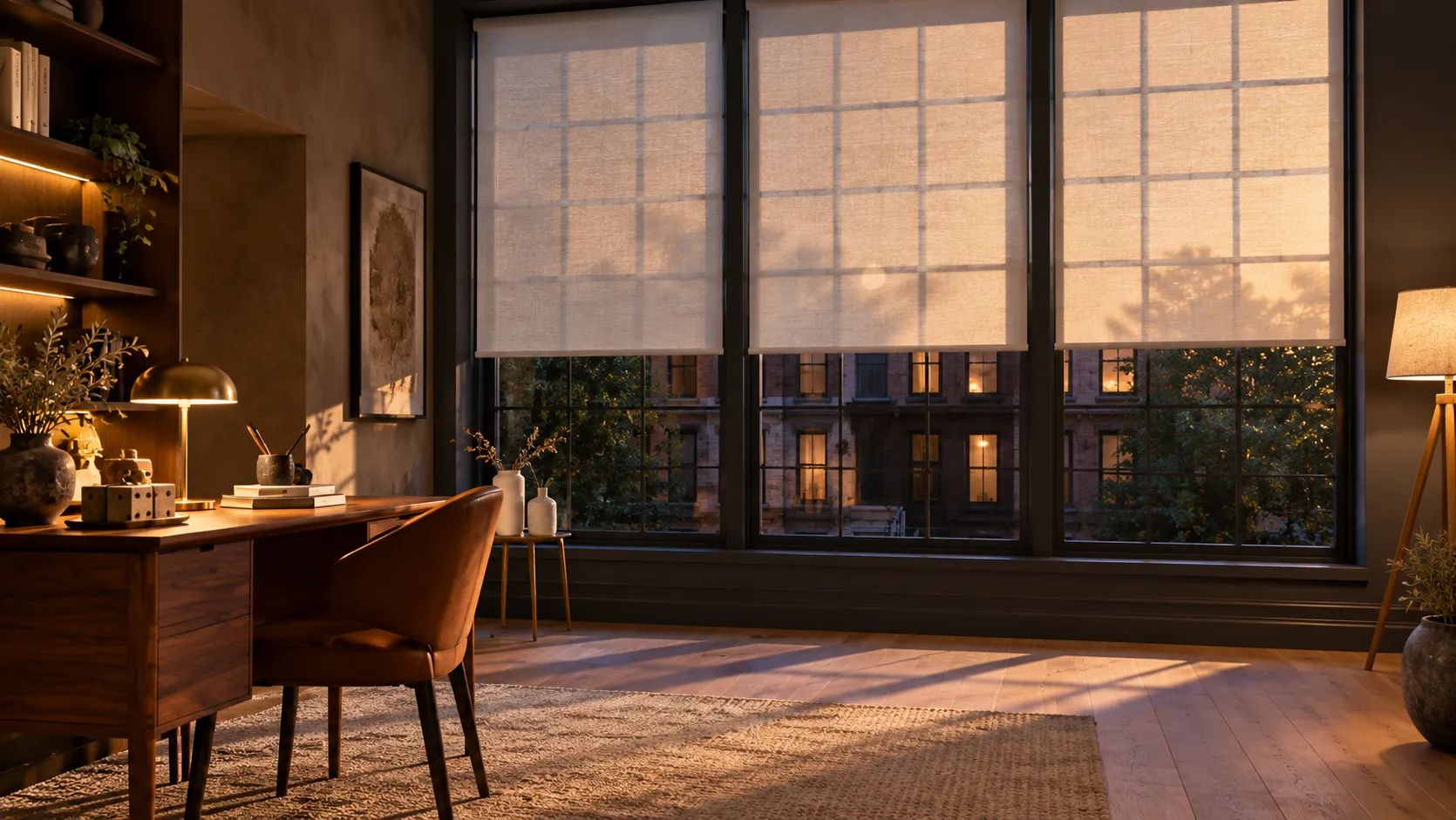
Layering combines different window treatment functions. A sheer layer can soften daylight and provide a degree of daytime privacy under suitable lighting conditions. A heavier curtain can add privacy and stronger light reduction when closed.
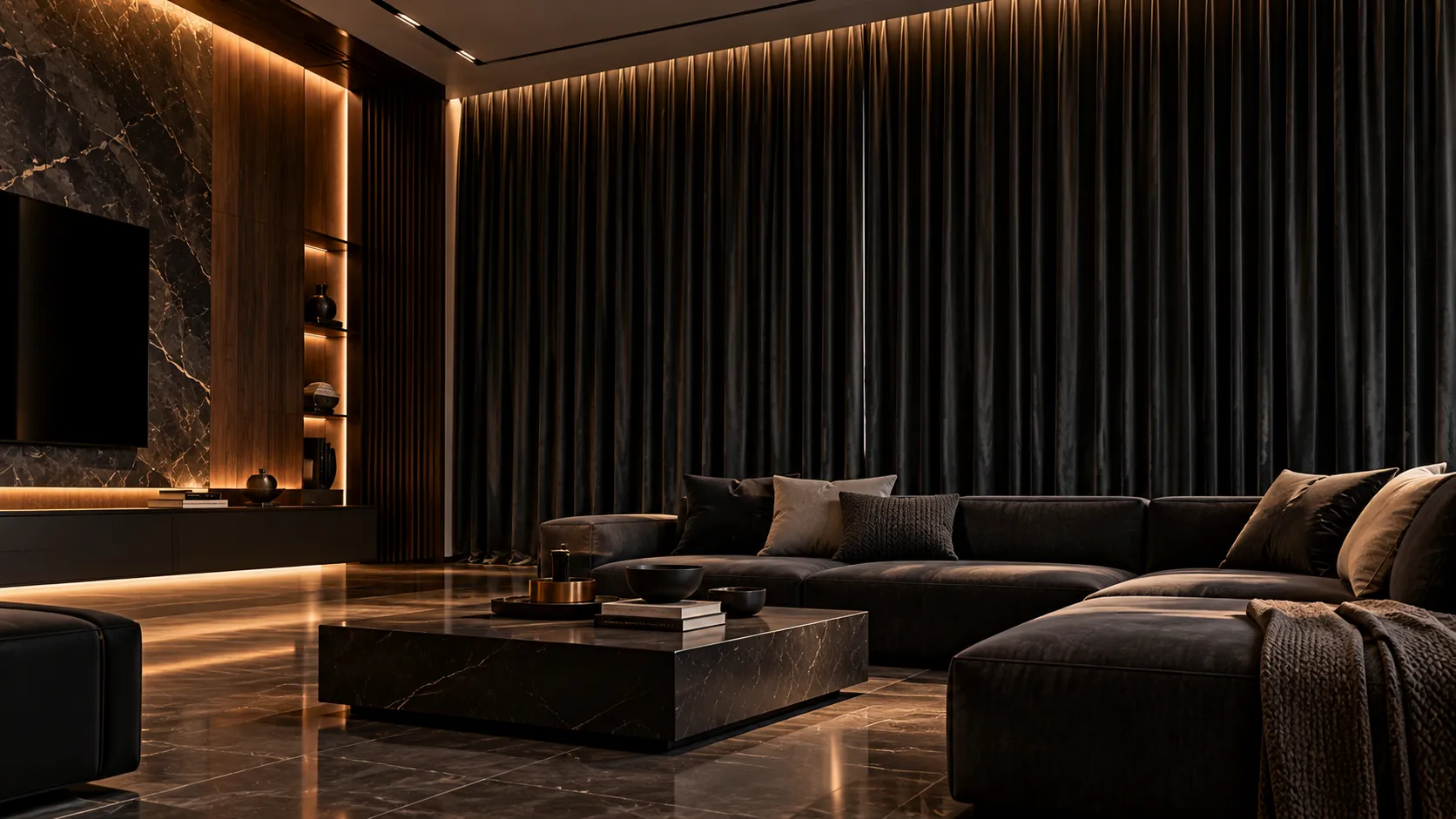
For bedrooms, blackout lining may be useful when reducing incoming light is a priority. Performance varies according to the material, construction, lining, installation, and light gaps around the window. Discuss the desired outcome before choosing the specification.
4. Clean Curtain Lines and Suitable Hardware
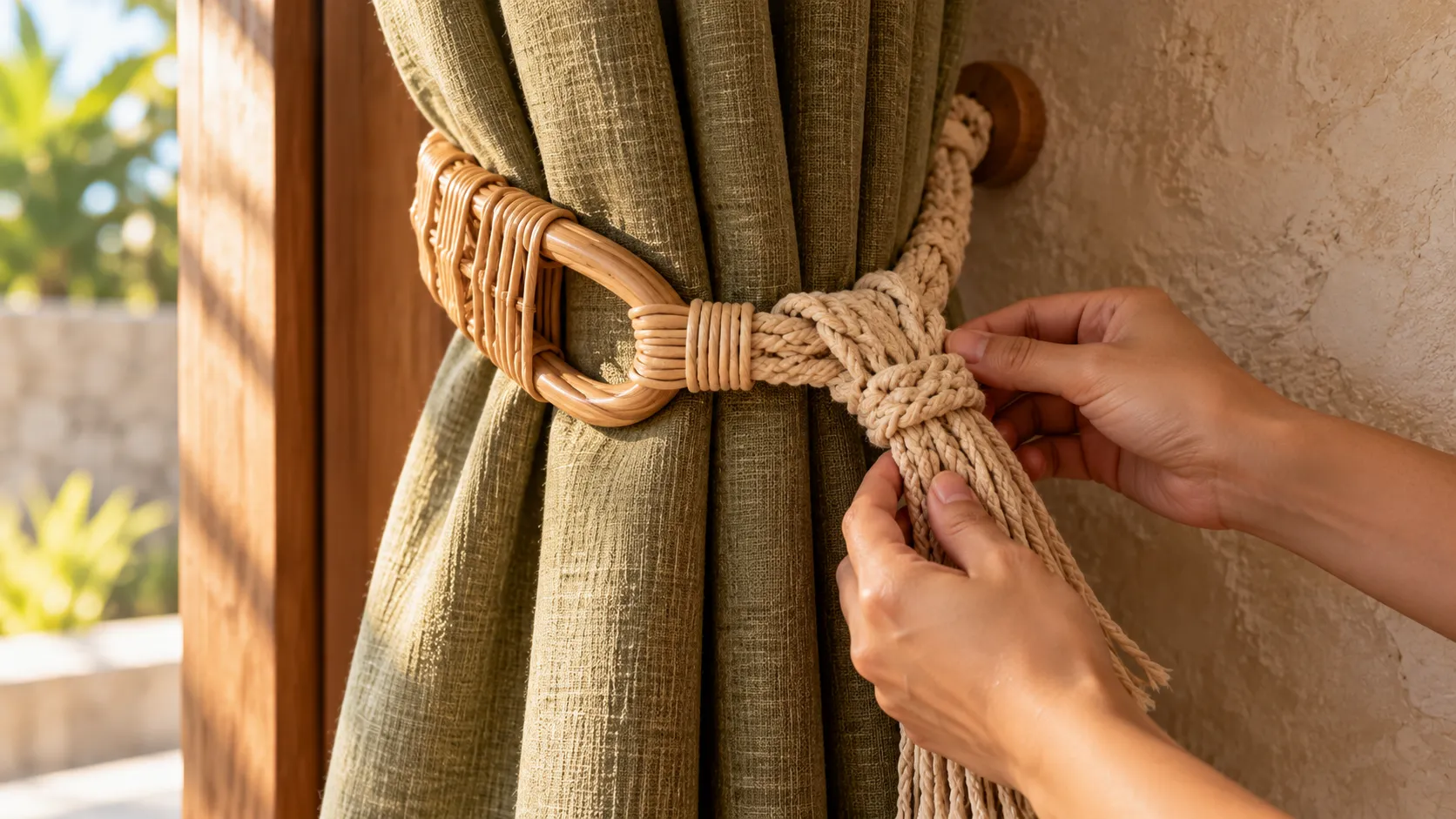
A refined finish depends on accurate measurements and hardware that matches the curtain construction. S-fold or wave headings can create regular flowing folds when paired with compatible tracks. Pinch pleats can provide a more structured appearance. Neither option is automatically better for every room.
Check the ceiling or wall fixing points, curtain weight, track clearance, stack-back space, and access to sliding doors. If a pelmet or recessed track is planned, coordinate it with the ceiling and installation details before construction is completed.
5. Motorised Curtains for Everyday Convenience
Motorised curtains may be appropriate for tall windows, hard-to-reach openings, and properties where convenient operation is a priority. Before selecting a system, confirm the power arrangement, track compatibility, curtain weight, control method, and maintenance access.
Smart-home integration should be verified against the actual motor and control system. Do not assume that every motor works with every app, voice assistant, or automation platform.
6. Customisation Rather Than One-Size-Fits-All Design
Premium spaces often benefit from room-by-room decisions. A bedroom may need stronger light control, while a living room may prioritise daylight and views. A large glazed opening may require careful planning for the panel stack, while a compact window may need a different heading and fullness.
Custom curtains should be specified around the actual measurements and use of each opening. Confirm finished dimensions, fabric quantity, lining, heading, hardware, installation requirements, production lead time, and care instructions before approving an order.
How to Choose Between the Main Directions
- For a calm, timeless room: Start with warm neutrals and subtle texture.
- For flexible privacy: Consider layering sheer and heavier curtains.
- For tall or difficult windows: Explore suitable motorised hardware and plan for service access.
- For a statement interior: Use a deeper colour or more pronounced texture as a deliberate focal point.
- For a frequently used rental villa: Prioritise practical care, durable construction, and easy operation.
Frequently Asked Questions
Are neutral curtains always the best choice for premium homes?
No. Neutrals are versatile, but a carefully chosen deeper colour or pattern can be appropriate when it complements the interior and supports the design goal.
Are motorised curtains necessary in a luxury villa?
No. Motorisation is a functional option, not a requirement. Consider it when convenience, window height, accessibility, or the control system justifies the added cost.
How can I make curtains look more premium?
Focus on correct proportions, appropriate fabric, well-planned fullness, compatible hardware, neat hems, and professional installation. Expensive fabric alone cannot compensate for poor measurements.
Plan Your 2026 Window Treatment
The most effective premium curtain choice brings design and practical performance together. Almeers Living can help you compare custom curtain fabrics, layered arrangements, lining, tracks, and motorised options for your Bali property. Request a consultation or site survey to discuss your windows, measurements, and preferred style.