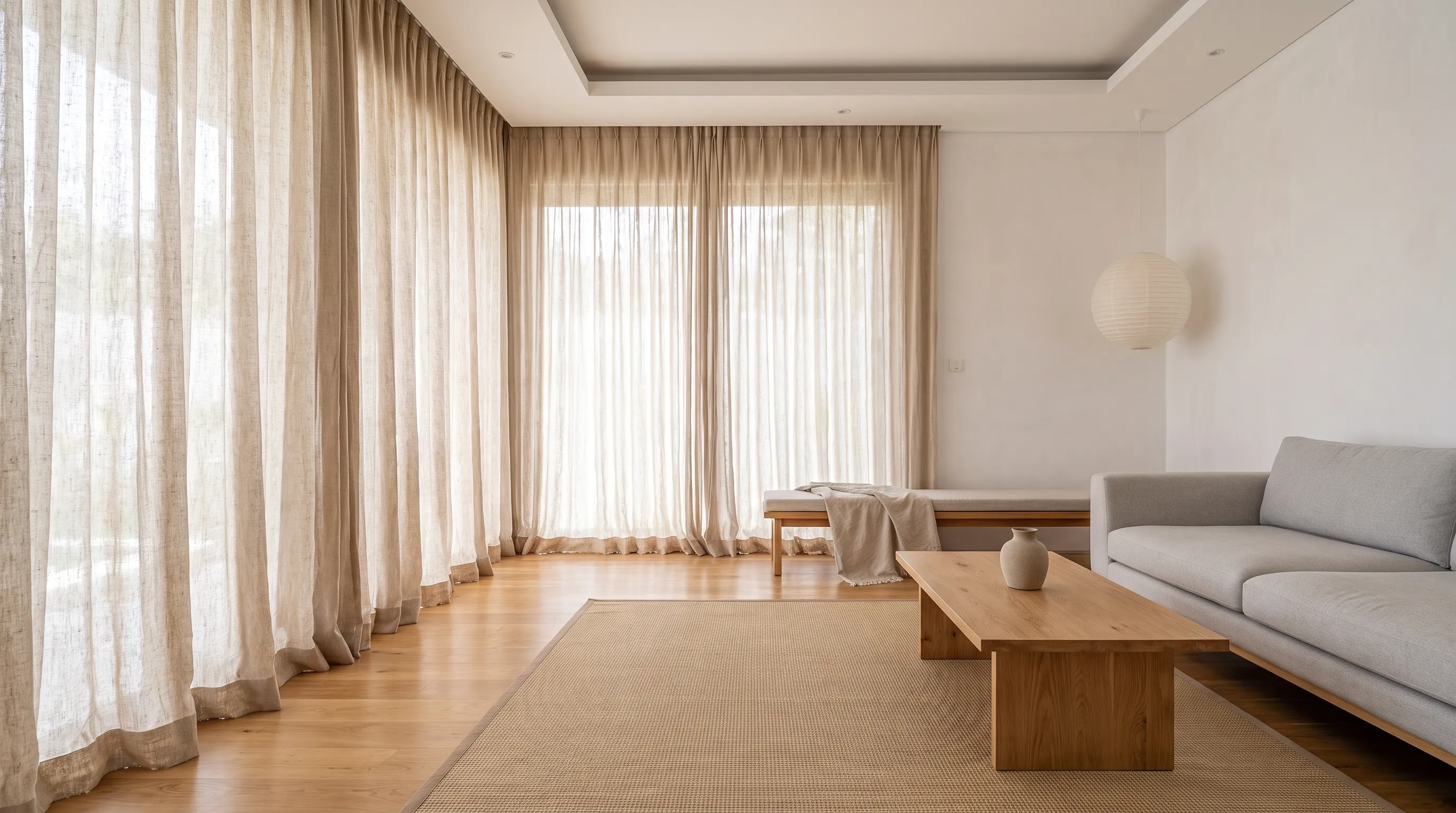

Japanese Bamboo Blinds: Traditional Artistry Bringing Natural Serenity Home
In an era dominated by synthetic materials and digital screens, interior design trends are turning toward nature-infused, biophilic elements that promote calm and groundness. Among traditional Japanese window treatments, Sudare—finely woven bamboo screens—stands out as a masterpiece of natural craftsmanship.
Dating back centuries, bamboo blinds offer a unique blend of organic warmth, delicate light filtration, and airy thermal efficiency ideal for modern homes.
1. The Art of Light Filtering (Komorebi)
Japanese design deeply appreciates Komorebi—the interplay of sunlight filtering through leaves or woven natural screens. Unlike solid fabric blinds that block sunlight entirely, finely split bamboo slats diffuse direct sun glare into rhythmic patterns of light and shadow, creating a tranquil atmosphere.
2. Natural Ventilation and Cooling Efficiency
Woven bamboo blinds excel in warm, humid climates. The subtle micro-gaps between individual bamboo slats allow natural breezes to flow freely while deflecting direct solar heat, keeping indoor living spaces naturally cool and well-ventilated.
3. Versatile Design Integration Across Modern Spaces
Japanese bamboo screens complement a wide array of architectural styles beyond traditional tea houses:
- Tropical Modern Villas: Pairs beautifully with exposed concrete, stone features, and expansive glass sliding doors.
- Contemporary Balconies & Verandas: Serves as an elegant exterior solar shade and semi-private patio barrier.
- Zen Meditation Rooms: Establishes a natural, serene backdrop that encourages mindfulness.
4. Sustainable Eco-Friendly Decor Choice
As a rapidly renewable natural resource, bamboo is inherently sustainable. Choosing woven bamboo window coverings lowers environmental footprint while introducing timeless organic artistry into modern residential and commercial interiors.