Layered Window Shades Aesthetic: Multi-Textured Window Styling, Depth Perception, and Light Filtering Layers
The Layering Concept
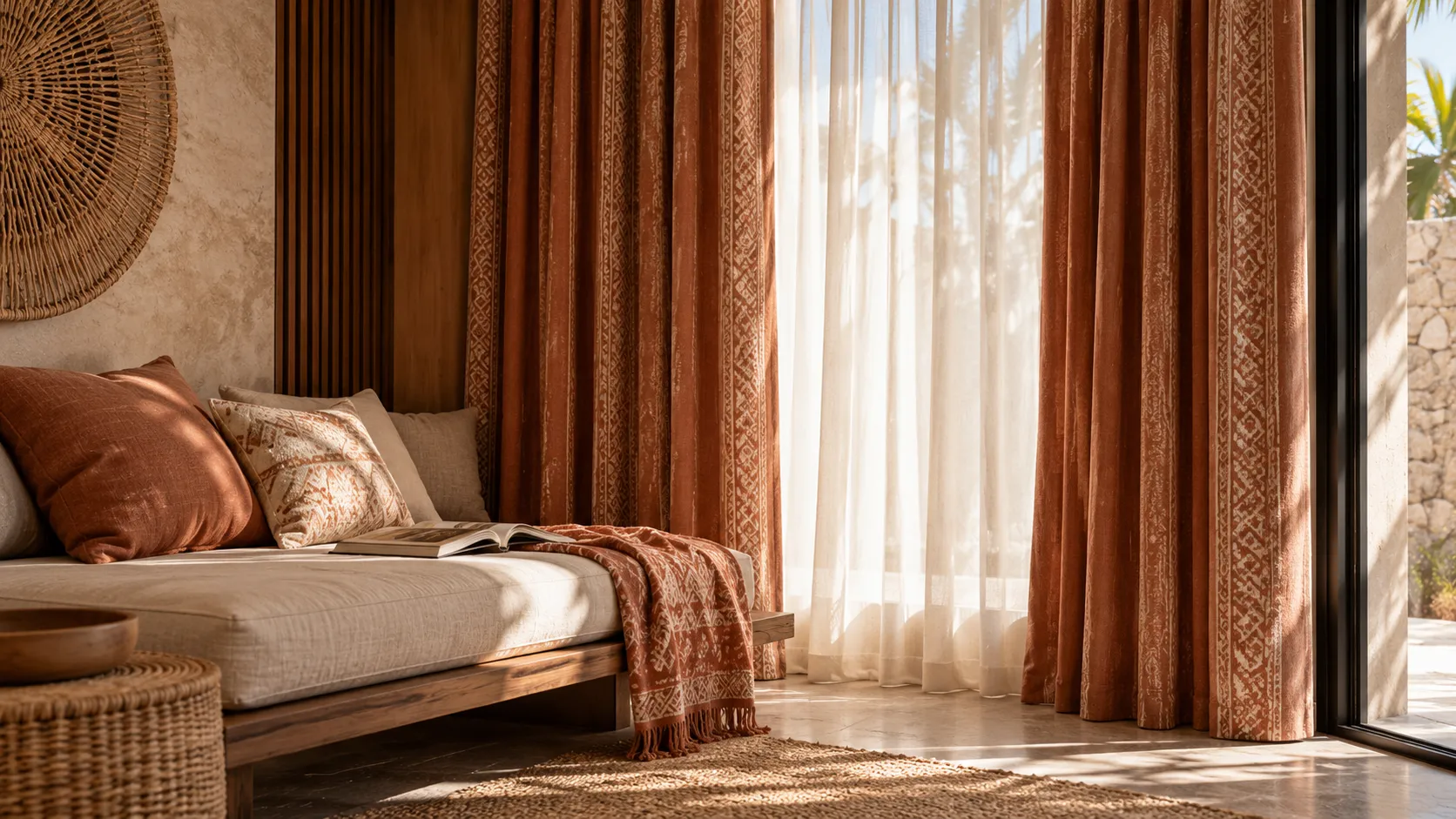
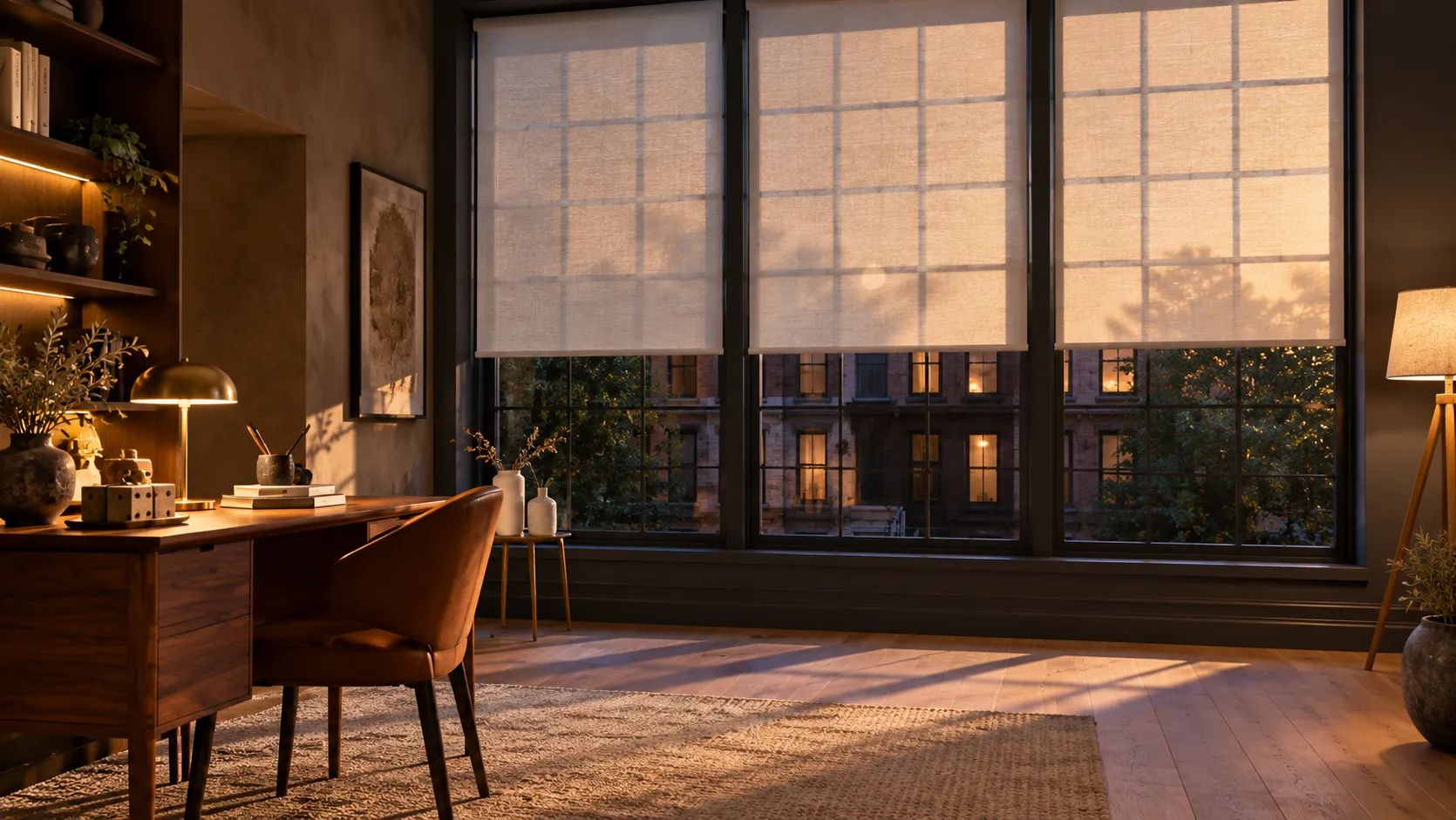
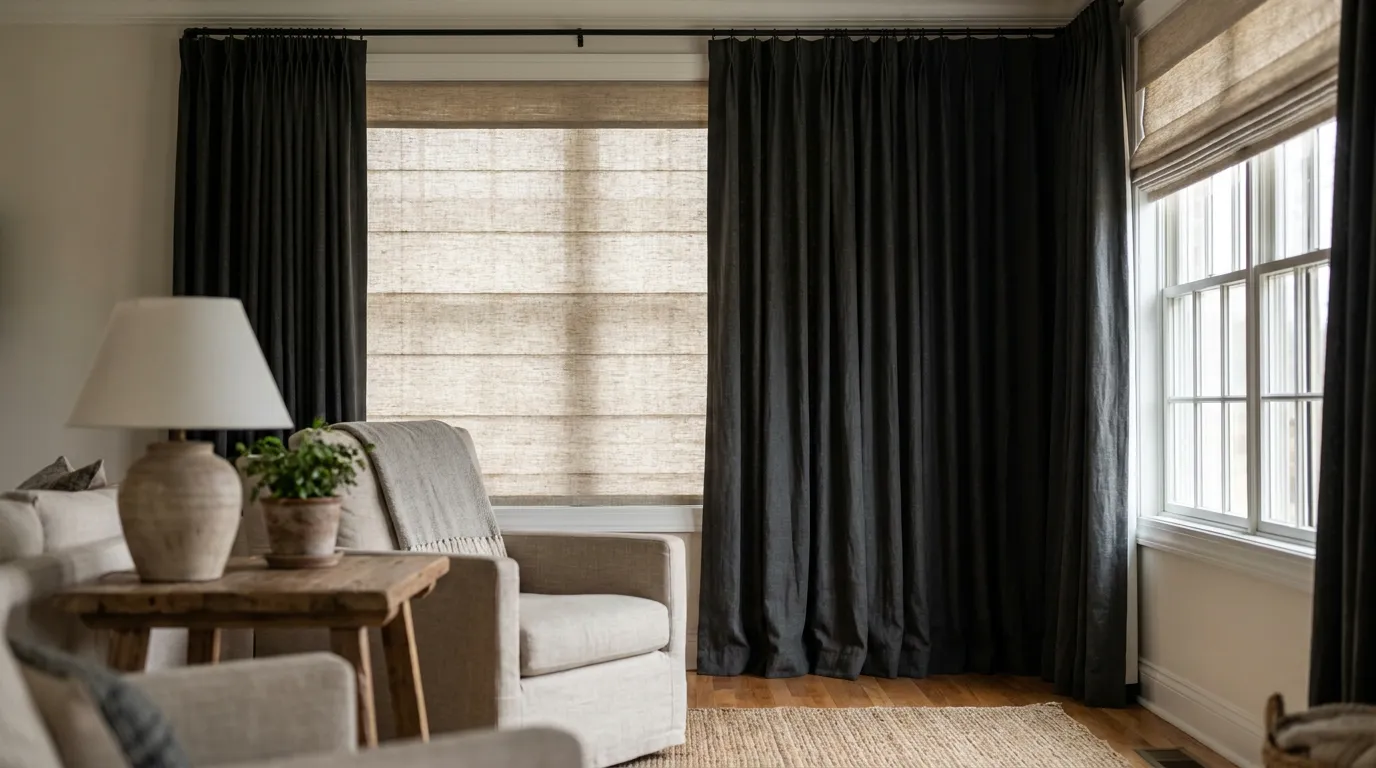
Layered window shades involve stacking two or more window systems to create layered function and aesthetics. Common combinations include a sheer in front with blackout or dimout behind, or a roller blind paired with fabric curtains.
Multi-Textured Styling
Layering allows textural interplay. A finely textured sheer in front adds softness, while a linen curtain behind adds depth. Contrasting materials—smooth vs. textured, matte vs. slightly lustrous—create a rich visual composition.
Depth Perception
Layering can make a window feel larger and a room deeper. Using separate track positions (one at the ceiling, one at the wall) adds visual dimension. In narrow rooms, careful layering can create the illusion of more space.
Light-Filtering Layers
- Sheer: filters harsh light, maintains daytime privacy.
- Dimout: reduces light, suited to living areas.
- Blackout: blocks light, ideal for bedrooms.
Technical Considerations
- Ensure tracks and brackets can support the total load.
- Allow clearance between layers to prevent friction.
- Plan stack-back for both layers.
- Consider operational access—the front layer should not block the rear layer.
Conclusion
Layered window shades are both an aesthetic and a functional investment. With proper planning, the result is a room that feels deeper, warmer, and adaptive to light requirements. Almeers Living can help design layer combinations suited to your interior architecture.