Linen Drapery: High-End Fabric Weight, Natural Drape Pleating, and Luxury Interior Soft Furnishings
Why Linen Symbolizes Luxury
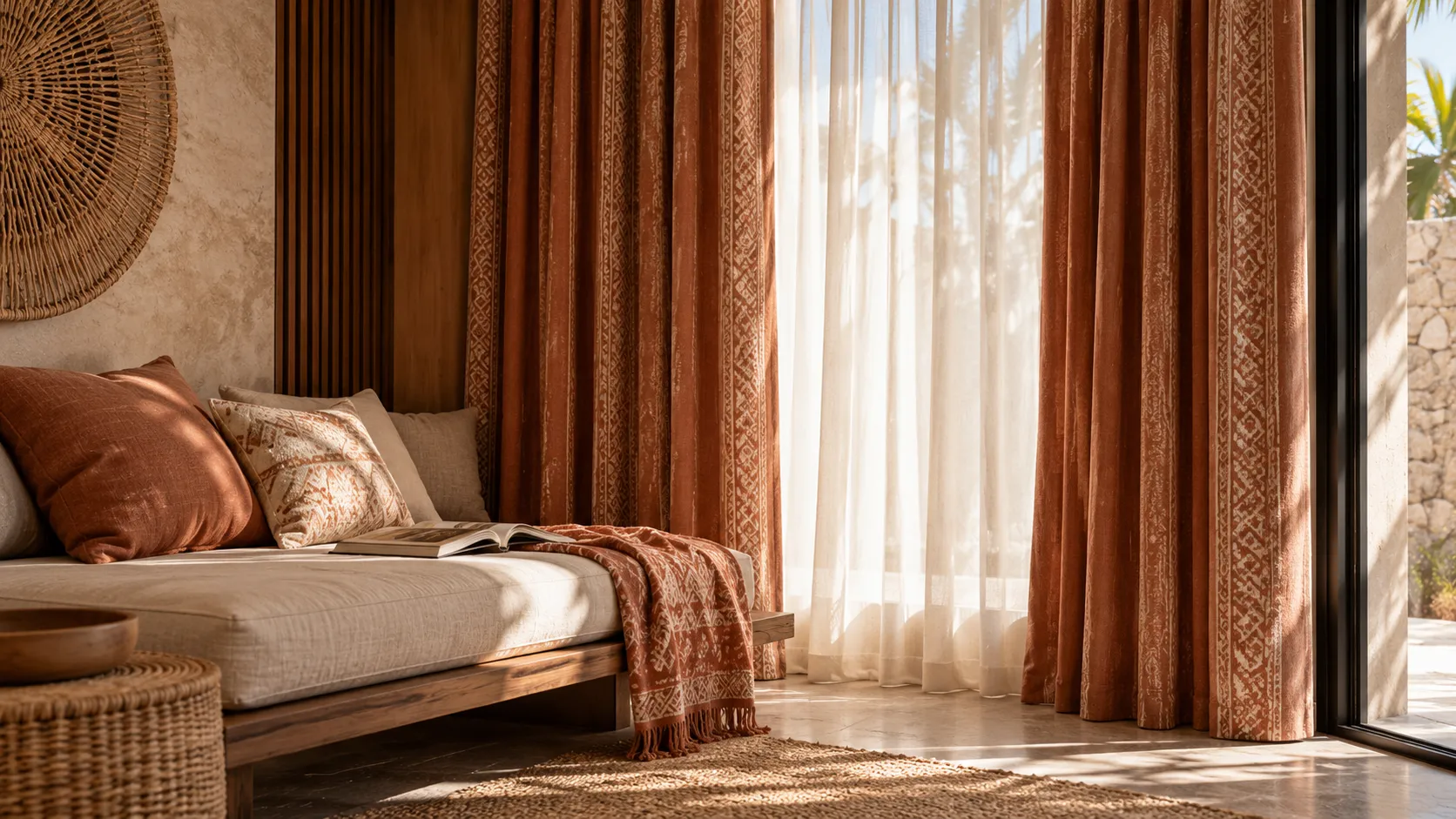
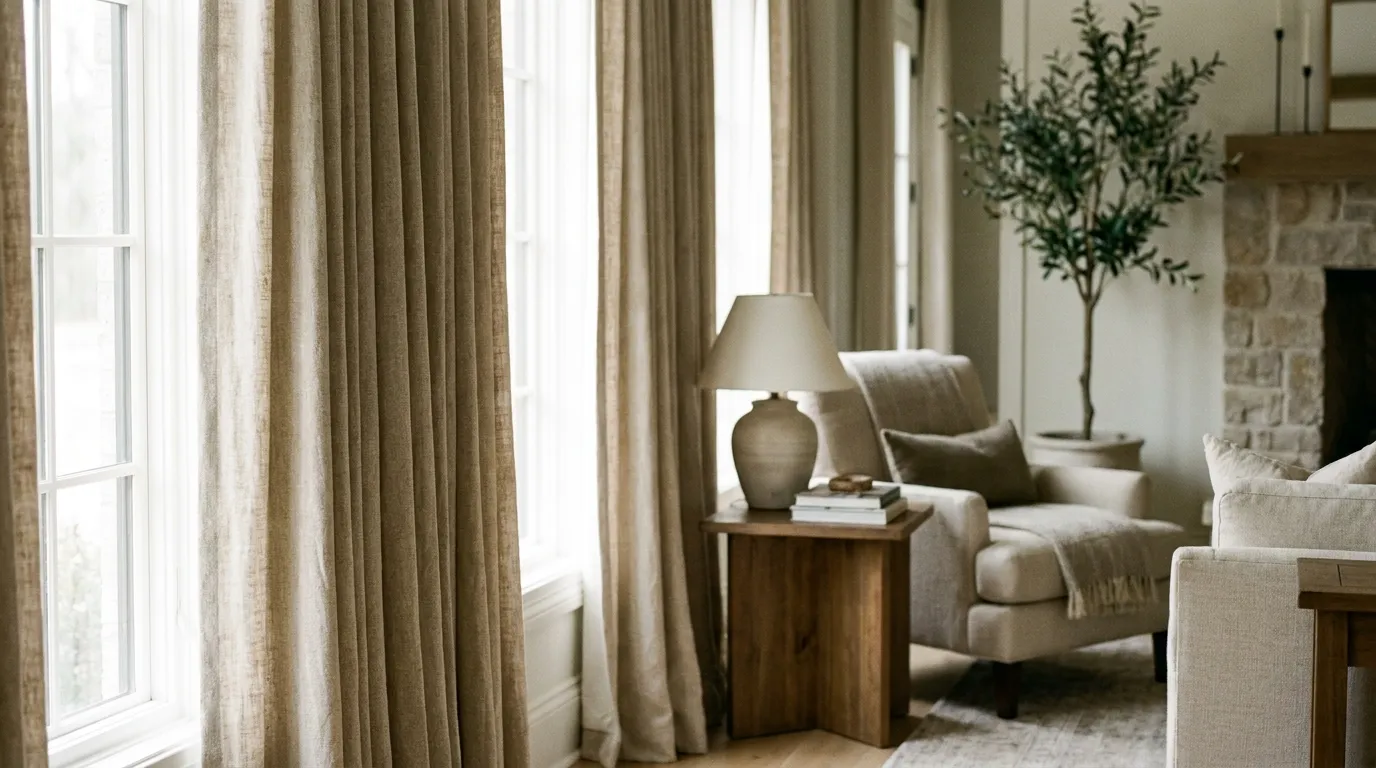
In soft furnishings, linen drapery holds a special place. Its natural fibres deliver a texture that synthetic fabrics cannot replicate, while its weight creates a perfectly falling drape. This is why linen is often chosen for premium interiors—not because of trends, but because of its material character.
Fabric Weight
Fabric weight is measured in grams per square metre (GSM). Premium linen drapery typically ranges from 200–350 GSM. Heavier fabrics deliver better drape and a more luxurious feel, but require hardware with higher load capacity. Lighter fabrics suit sheers or decorative layers.
Natural Drape
Drape is how fabric falls and forms folds. Linen has a distinctive drape—slightly stiff yet flowing, creating organic folds that are never perfectly symmetrical. This is its beauty: every panel has a unique character.
Pleating Techniques
- Pinch pleat: structured folds, classic and formal.
- S-fold / wave: uniform folds, modern and flowing.
- Gathered: loose folds, relaxed and organic.
- Goblet pleat: decorative folds, highly formal and luxurious.
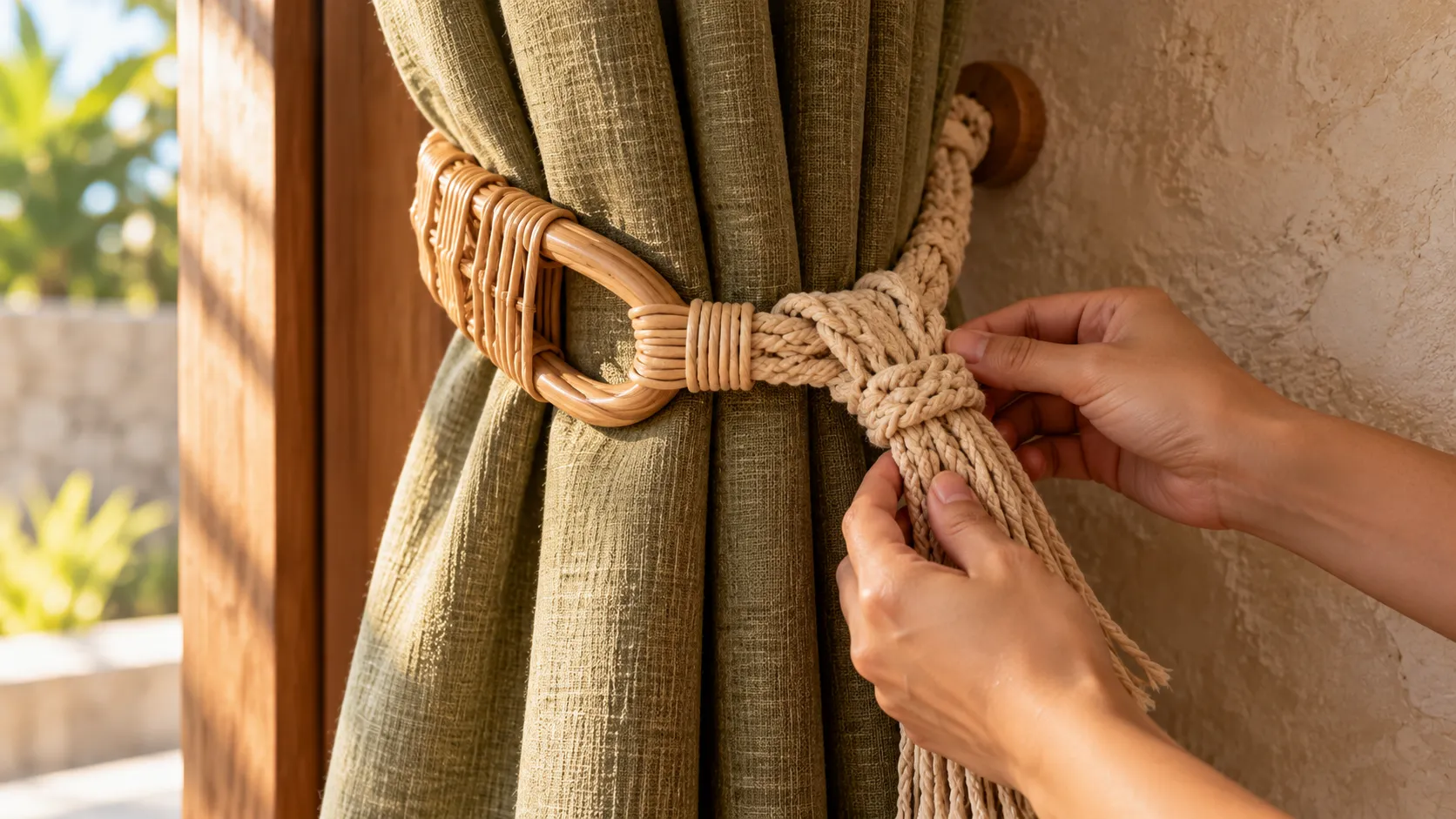
The pleating choice must consider fabric weight. Heavy linen with pinch pleats requires strong heading construction to keep folds crisp.
Application in Luxury Interiors
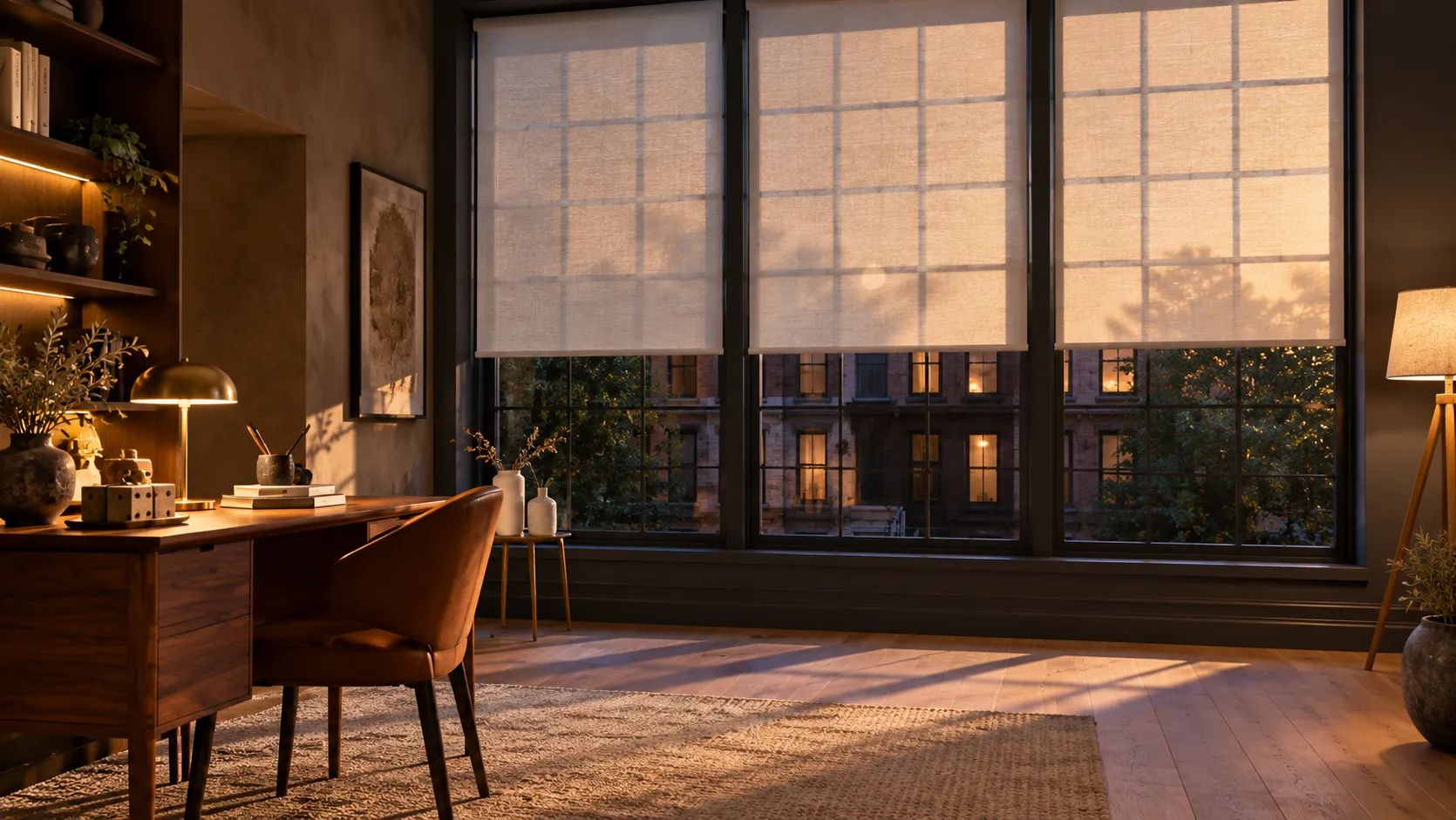
Linen drapery is often paired with sheer lining to preserve privacy without sacrificing light. In Bali villas, linen in natural tones with S-fold headings creates a balance between luxury and tropical ease.
Care
Premium linen generally requires professional dry cleaning to maintain shape and colour. Avoid repeated machine washing, which can alter the fabric's natural drape.
Conclusion
Linen drapery is an investment in a room's character. With the right fabric weight, pleating, and hardware, the result is soft furnishing that lasts and grows more beautiful over time. Almeers Living can help select linen specifications suited to your room's scale.