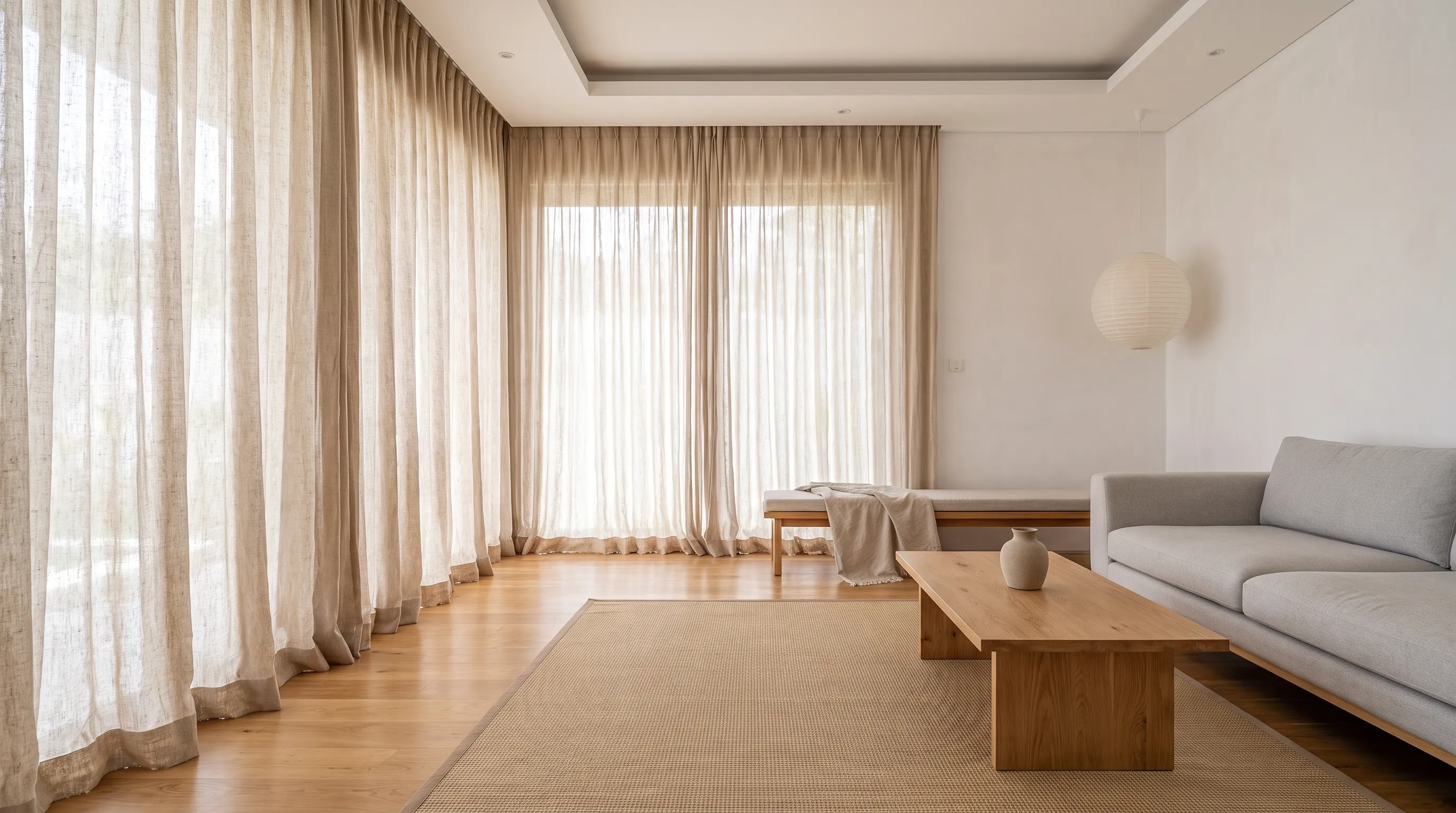
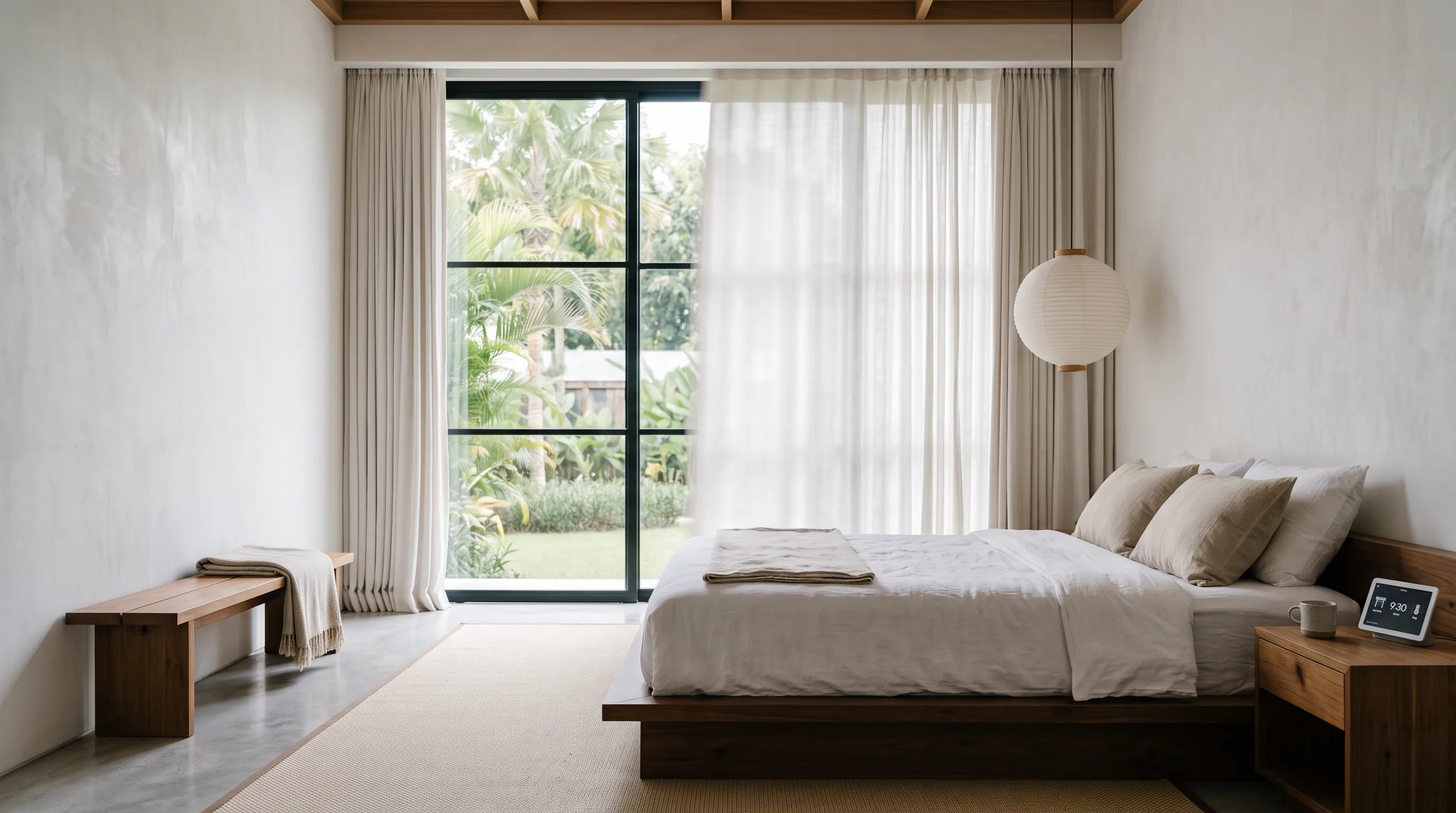
Modern Japanese Window Treatments: Fusing Tradition with Technology for Contemporary Homes
Modern window design is no longer a strict choice between ancient traditional beauty and high-tech automation. Contemporary interior trends are embracing a sophisticated synthesis: merging time-honored Japanese aesthetic principles with cutting-edge smart home technology.
From modern re-interpretations of Shoji sliding screens to automated woven fabric blinds, here is how designers are combining tradition and technology in today’s luxury residences.
1. Evolution of Shoji Screens into Panel Track Systems
Traditional paper-and-timber Shoji doors have been reimagined for modern architecture. Contemporary sliding panel track systems utilize durable translucent textiles mounted on sleek aluminum rails, providing clean geometric symmetry and smooth operation across large glass facades.
2. Motorized Convenience for Woven Textiles
Integrating quiet electric motors with woven timber, natural linen, or bamboo shade systems allows homeowners to operate traditional-style window treatments effortlessly via smartphone apps, remote controls, or automated daily schedules.
3. High-Performance Thermal and Anti-Mold Fabrics
While maintaining a clean, minimalist Japanese aesthetic, modern technical fabrics offer advanced functionality engineered for demanding environments:
- Thermal Solar Barriers: Reduces indoor heat gain from expansive architectural windows.
- Anti-Mold Treatments: Protects fine woven fibers from humidity-induced mildew and degradation.
- UV Protection: Safeguards indoor furniture, artwork, and timber floors from sun discoloration.
4. Achieving Architectural Simplicity in Smart Homes
The ultimate goal of modern Japanese-inspired window design is effortless harmony. By concealing automated hardware within flush ceiling pockets and selecting high-performance natural-tone textiles, contemporary homes enjoy futuristic convenience wrapped in serene, timeless elegance.