Motorized Curtains vs. Motorized Blinds: Which Should You Choose?
As smart home automation becomes standard in modern residential architecture, automated window treatments are a top priority for luxury properties. However, homeowners must decide between two primary automated formats: Motorized Curtains (horizontal track drapery) and Motorized Blinds (vertical roller/zebra shades).
Here is a technical comparison to help you choose the right automated system for your home.
1. Architectural Function & Movement Style
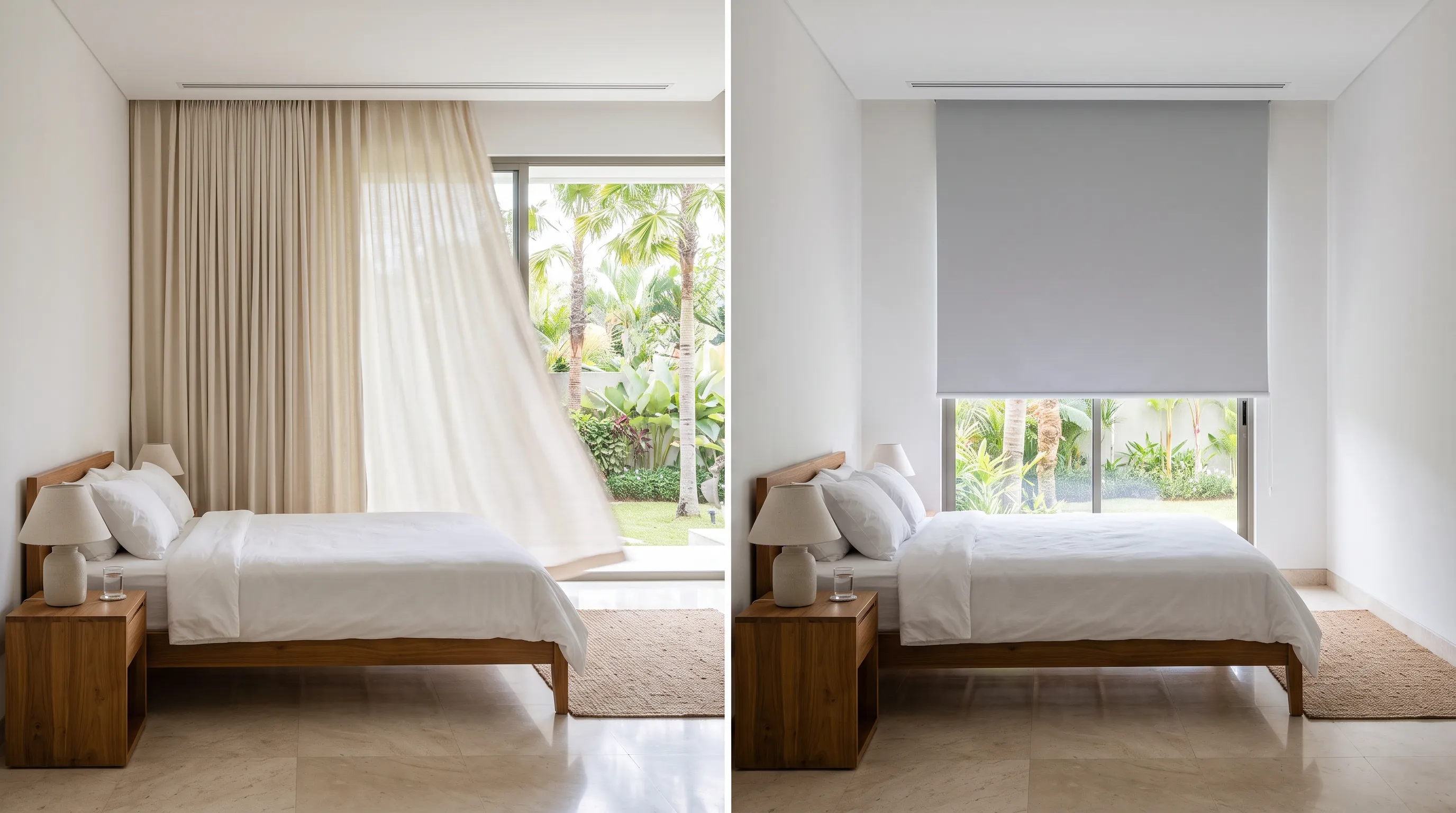
- Motorized Curtains: Operate horizontally along aluminium tracks. Ideal for large glass sliding doors, floor-to-ceiling glazing, and double-height voids. They provide luxurious fabric folding and soft acoustic insulation.
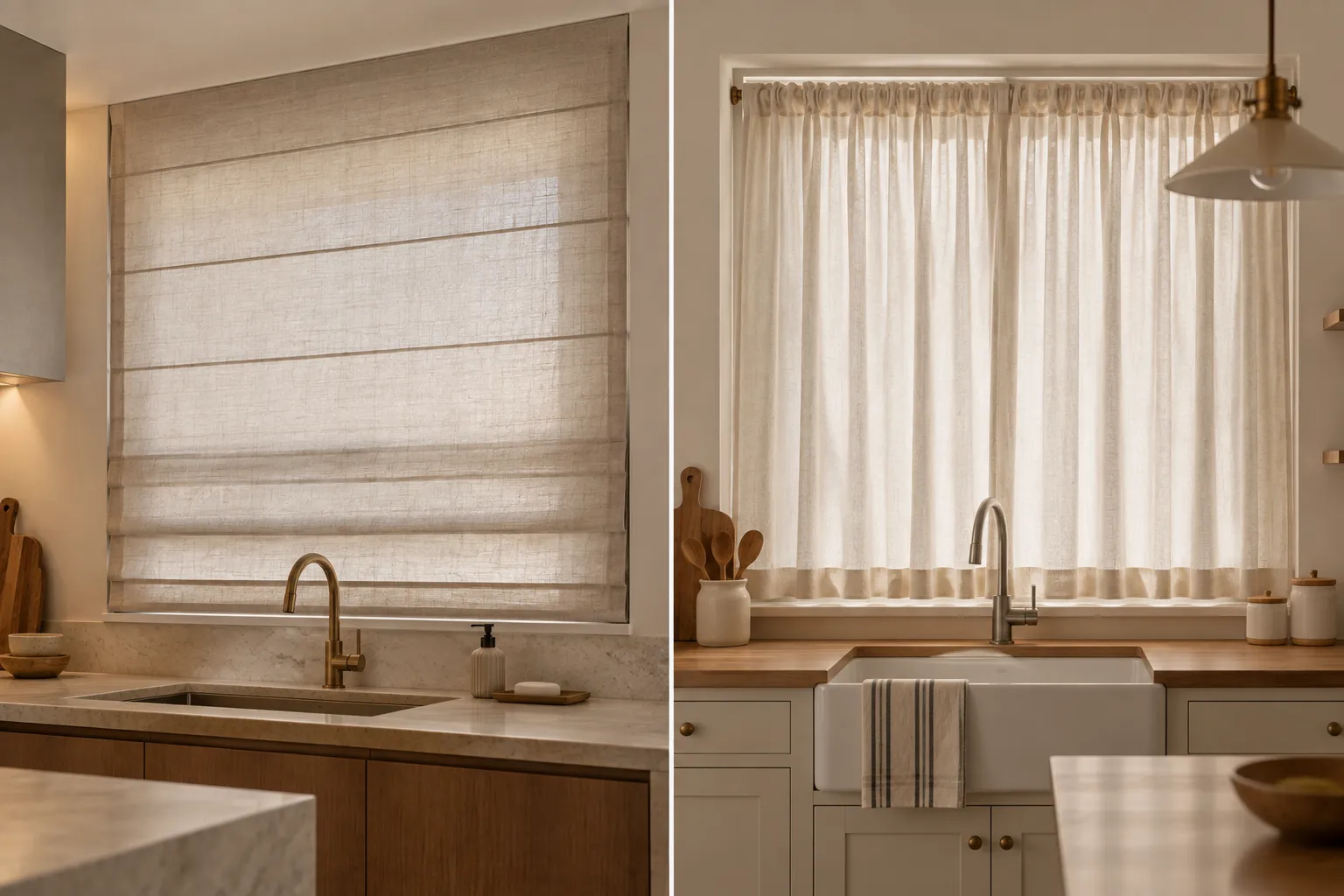
- Motorized Blinds: Roll vertically up and down into compact cassette headboxes. Perfect for individual window openings, kitchen splashbacks, and sleek minimalist bedrooms.
2. Window Size and Span Capabilities
Motorized drapery tracks can easily span continuous curved or straight runs up to 12 meters in width using single or dual motors. Motorized roller blinds are restricted by roller tube deflection, typically limited to maximum single widths of 3.0 to 3.5 meters.
3. Smart Home Integration Capabilities
Both motorized curtains and motorized blinds utilize quiet DC motors compatible with major smart platforms—including Wi-Fi bridges, Zigbee, Apple HomeKit, Google Home, and Amazon Alexa. Both can be programmed for automated daily sunrise and sunset opening schedules.
4. The Final Verdict
Choose Motorized Curtains for expansive living room sliding doors, master bedrooms, and high-ceiling spaces where soft drapery elegance is desired. Choose Motorized Blinds for compact windows, wet kitchen areas, and clean minimalist office environments.