Tips Made to Measure Curtains: Custom Window Fitting, Fabric Selection, and Precise Measurement Standards
Achieving a refined, architecturally tailored aesthetic in residential and commercial spaces relies heavily on custom window treatments. Off-the-shelf ready-made curtains frequently suffer from imprecise lengths, insufficient fabric volume, and ill-fitting track proportions. Investing in Made-to-Measure Curtains ensures that every drape hangs with deliberate mathematical precision, transforming standard window frames into captivating focal points.
Here is an expert guide to understanding custom curtain fittings, measuring protocols, and fabric selection standards.
1. The Importance of Precise Track and Rod Measurements
When measuring for custom drapery, always measure the full width of the curtain track or decorative pole rather than the internal glass opening. Extend the track 15 to 30 centimeters past the window frame on each side. This extended stack-back allowance permits fully drawn drapes to rest against adjacent wall surfaces without obscuring natural daylight.
2. Establishing Vertical Drop Length Rules
Take vertical drop measurements from the top fixing edge of the track channel down to the floor surface at three distinct intervals: left side, center, and right side. Because floors and ceilings in real-world architecture are rarely perfectly level, record all three figures and tailor the hem to suit your preferred floor finish:
- Hover / Floating (1 cm Clearance): Clean, practical clearance above floor tiles for high-traffic living areas.
- Floor-Touch (Flush): Fabric rests precisely against floor surfaces for a tailored, contemporary fall.
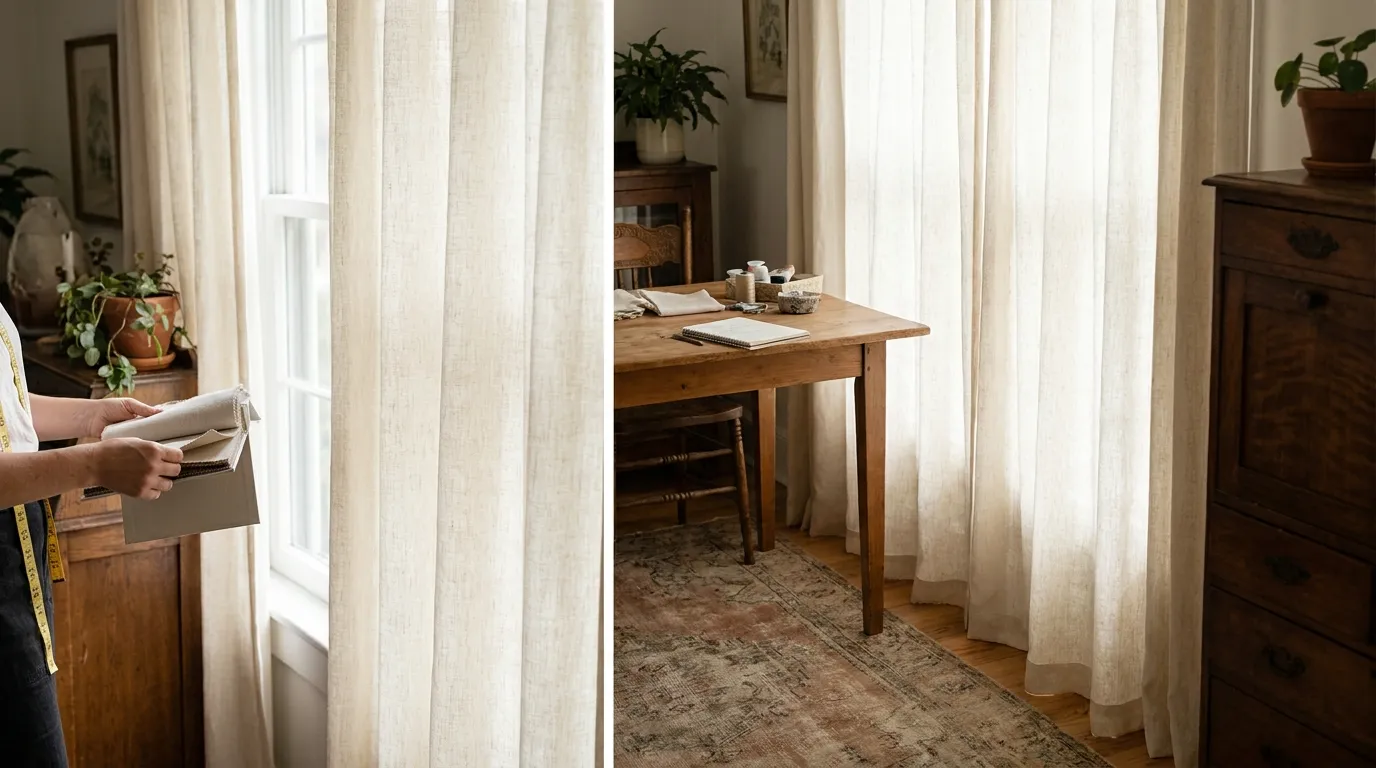
- Puddling (2 cm to 5 cm Extra Length): Elegant, cascading fabric pooling favored in classic master suites and formal dining rooms.
3. Fullness Ratio Calculations for Luxurious Waves
Curtain fullness dictates how deep and voluminous the fabric folds appear when drawn closed. For modern wave pleat (S-fold) track installations, specify a standard 2.0x to 2.2x fullness ratio (using double the track width in flat fabric volume) to guarantee deep, continuous vertical waves.
4. Matching Fabric Weight to Structural Architecture
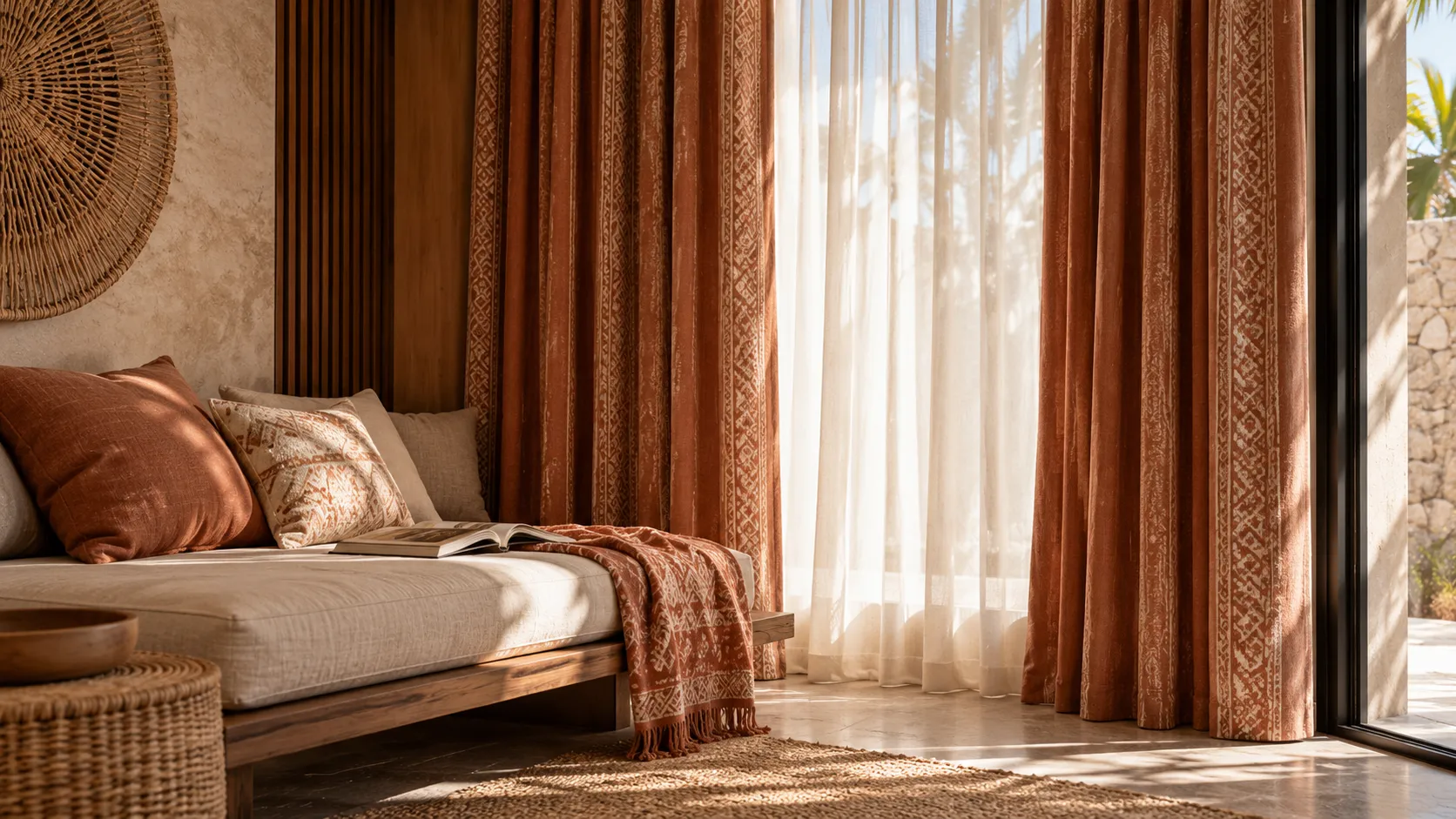
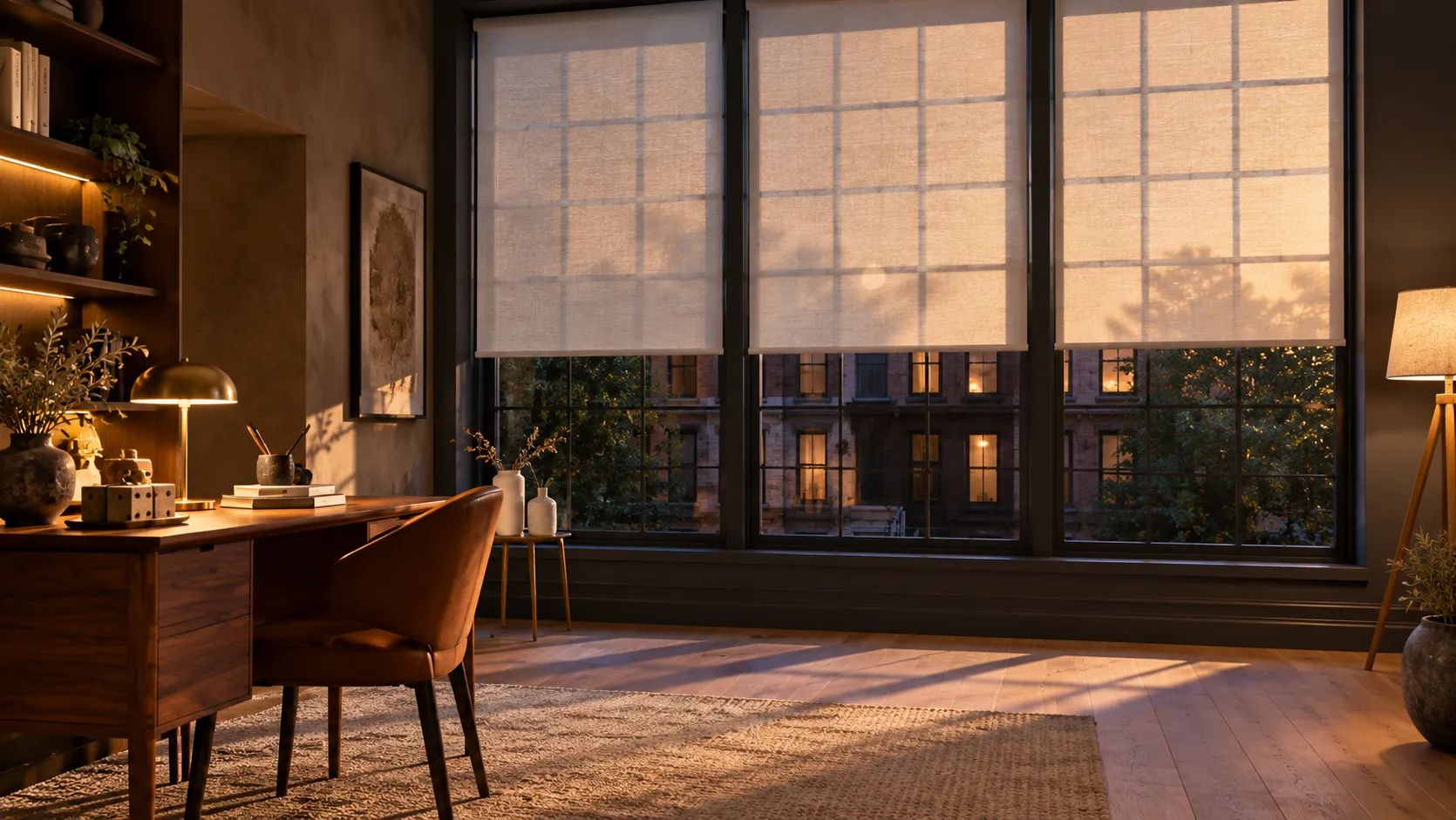
Select fabric weight based on room function and solar exposure. Pair translucent sheer base layers for soft daytime daylight filtering with high-density dimout or lined blackout face fabrics for evening privacy and thermal regulation.