What Is a Dimout Curtain and When Should You Use One?
When navigating window treatment options for residential or commercial interiors, the terms Dimout and Blackout are frequently used. While both belong to light-filtering fabric categories, they serve fundamentally different aesthetic and functional purposes in interior design.
Understanding these technical differences ensures you select the perfect fabric opacity tier for every room in your property.
1. The Technical Standard: Dimout vs. 100% Blackout
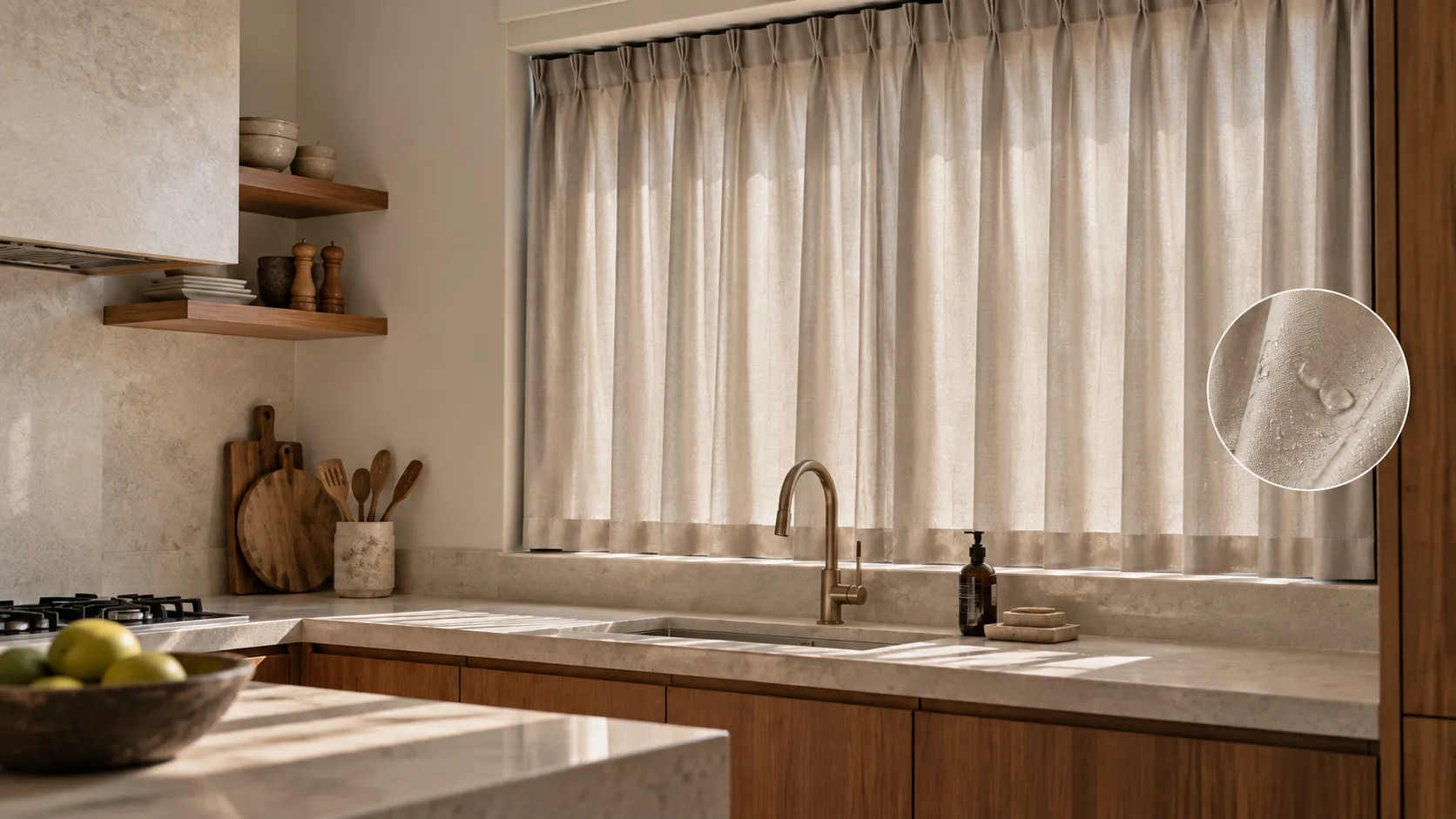
Dimout curtains are woven using high-density textile constructions—often incorporating a hidden black inner yarn layer—that block between 75% to 90% of incoming light. Unlike 100% rubber-coated blackout fabrics, dimout curtains retain a soft, elegant drape and natural fabric pliability.
2. When to Choose Dimout Curtains
Dimout curtains are the ideal choice when complete pitch-black darkness is unnecessary, but glare and solar heat must be controlled:
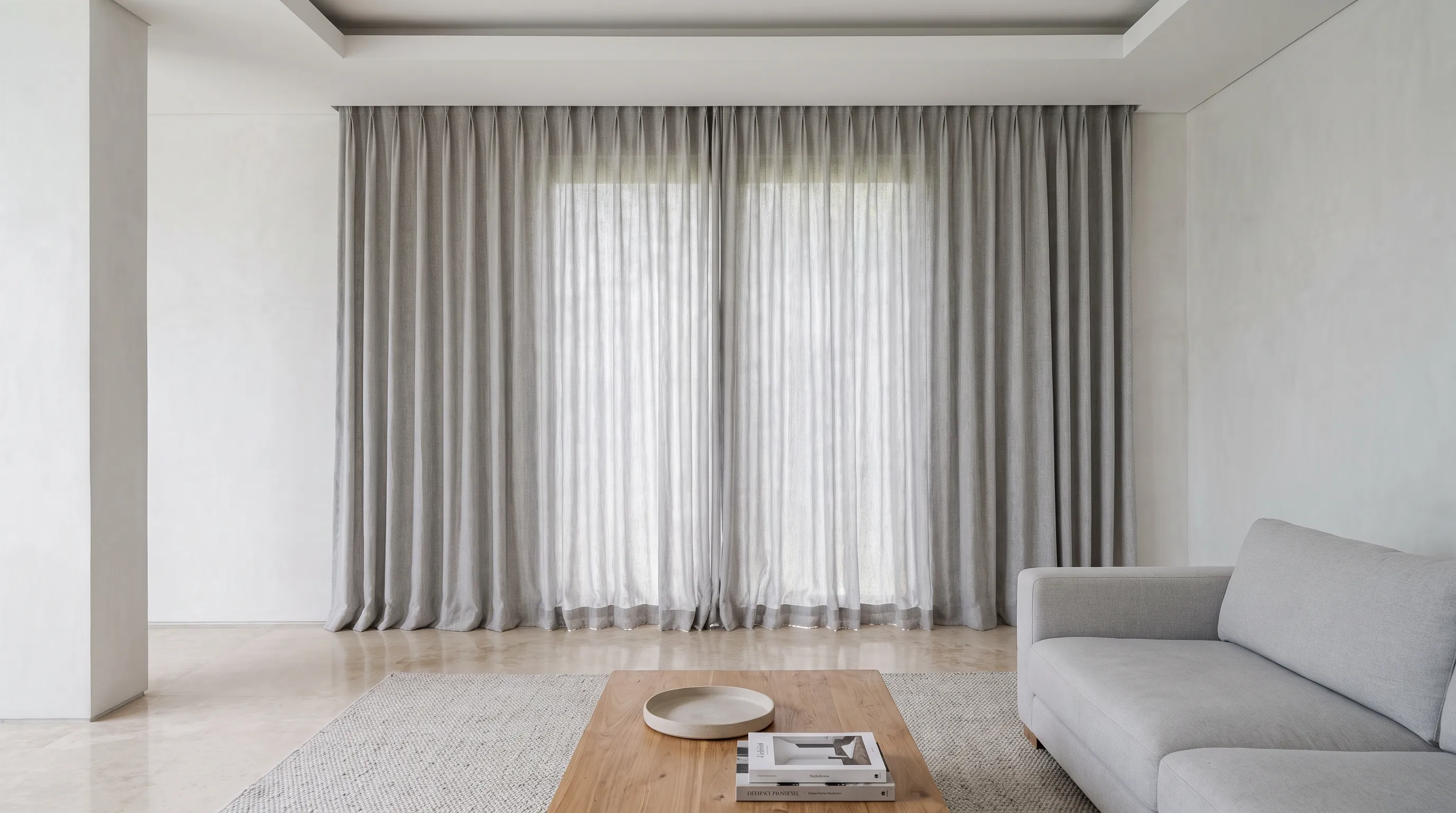
- Living Rooms & Lounge Areas: Softens harsh afternoon glare while maintaining a warm, inviting ambient glow.
- Home Offices: Reduces monitor glare without creating an overly dark, cave-like working environment.
- Guest Bedrooms & Dining Spaces: Offers excellent visual privacy and solar glare protection with a gentle aesthetic drape.
3. Advantages in Tropical Climates
In high-humidity coastal environments, dimout textiles offer superior longevity compared to coated blackout backings. Because dimout fabrics lack acrylic rubber coatings, they are more breathable, highly resistant to coating peeling, and remarkably easy to clean.
4. Achieving the Perfect Interior Aesthetic
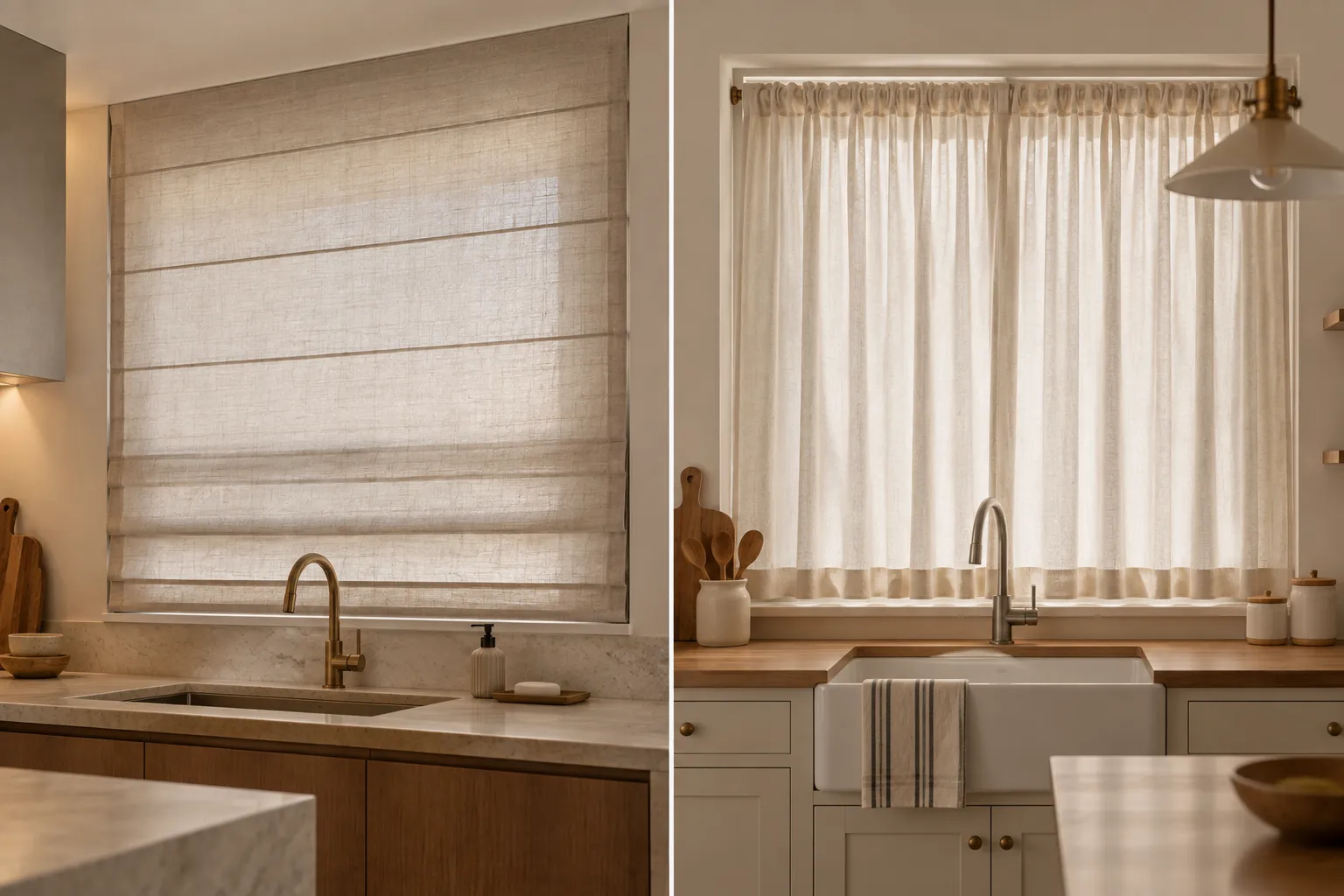
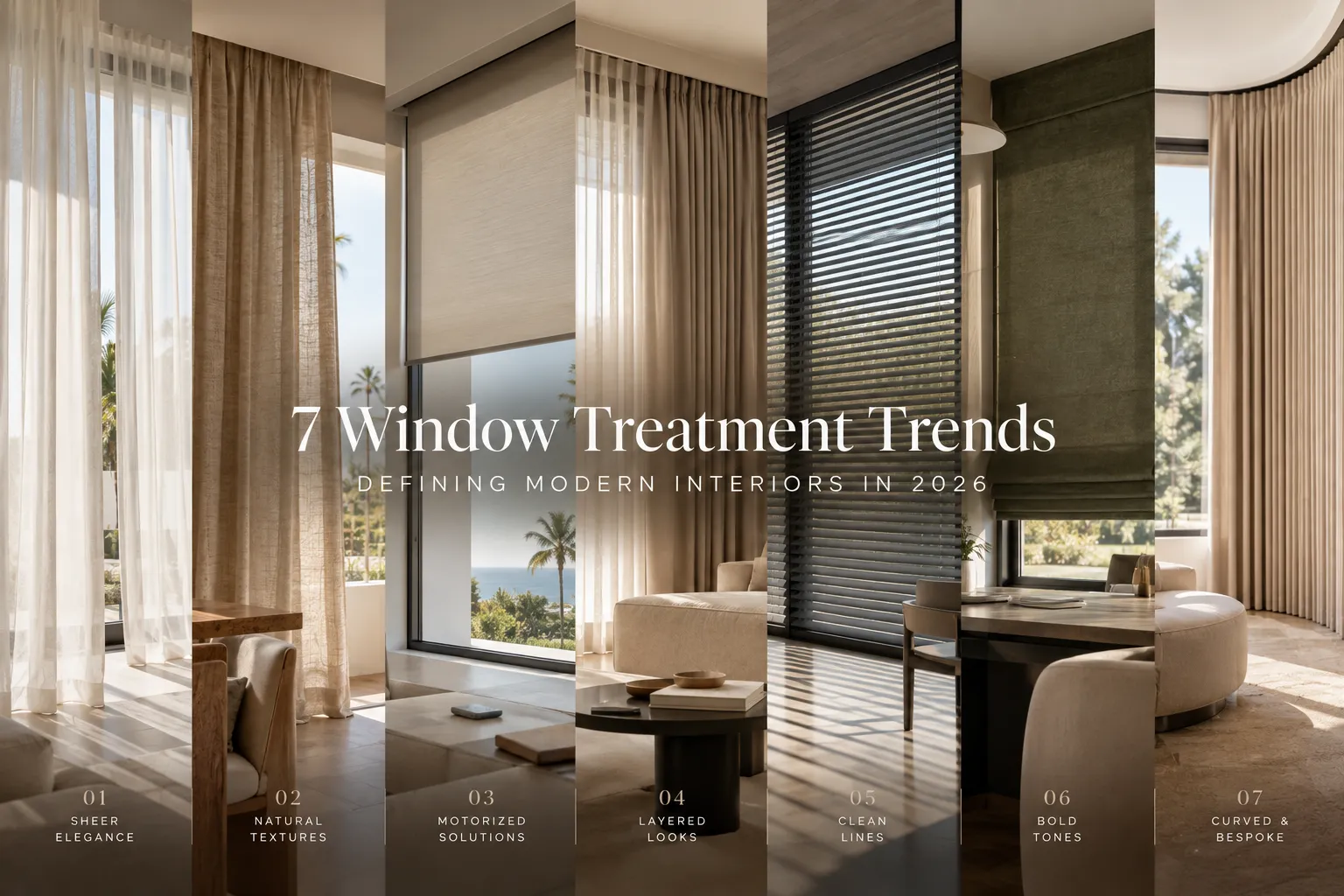
Dimout fabrics are available in a wide spectrum of natural textures—from slubbed linen finishes to refined satin weaves. They fall gracefully into uniform ripplefold pleats, elevating contemporary and tropical modern interiors alike.