Color Inspiration for Window Treatments: Practical Ideas for Modern Properties — Palette Harmony Selection, Contrast Balancing, and Interior Lighting Effects
Designing modern luxury residential estates, boutique holiday retreats, and private rental villas across Bali—from the vibrant coastal corridors of Canggu, Seminyak, and Umalas to the serene forest sanctuaries of Ubud and dramatic clifftop estates in Uluwatu—demands an intuitive mastery of color psychology, spatial composition, and lighting interaction. In contemporary architectural design, window draperies represent one of the largest vertical visual planes in any room. Framing expansive floor-to-ceiling glass sliding doors that connect indoor lounges directly with infinity pools and lush tropical gardens, window treatments establish the emotional tone, visual balance, and perceived warmth of a space. However, selecting color palettes for high-end properties in equatorial island microclimates involves far more than simply picking trendy fabric swatches. Intense direct sunlight, shifting solar angles, reflective stone floors, high atmospheric humidity, and night-time artificial lighting dynamically alter how textile colors render within modern interiors. Property owners, interior architects, and hospitality developers frequently seek expert advice on color inspiration for window treatments: practical ideas for modern properties (mastering palette harmony selection, contrast balancing, and interior lighting effects) to curate sophisticated, sun-regulated sanctuaries that inspire and endure.
Executing an authentic, harmonized textile color scheme in tropical climates requires an advanced architectural synthesis: evaluating color temperature dynamics under equatorial UV radiation, balancing tonal contrasts against interior finishes, engineering dual-track S-fold wave pleating, applying non-toxic anti-mold protection, and integrating smart automated solar scheduling. In this comprehensive editorial masterclass, we present the core design pillars, color selection principles, and practical tailoring standards required to coordinate curtain colors flawlessly in your modern property.
1. The Science of Chromatic Render in Tropical Lighting Environments
Before curating specific color palettes, it is essential to understand how equatorial sunlight transforms textile hues throughout the day in tropical island properties:
- High-Intensity Zenith Solar Washout: Direct midday equatorial sun rays (10:00 AM – 3:00 PM) strike glass windows at high intensity, washing out subtle pastel tones and making lightweight fabrics appear paler than their true color grade.
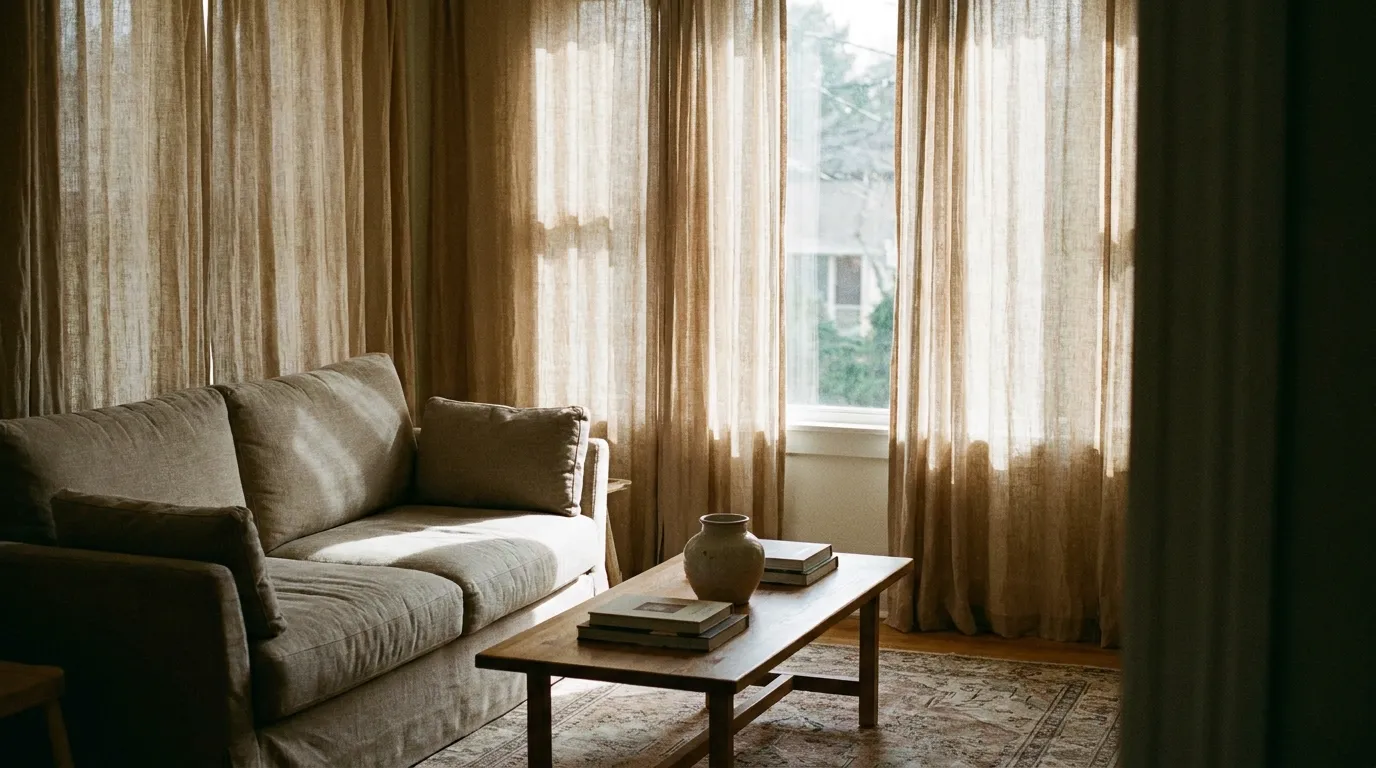
- Low-Angle Warm Golden-Hour Refraction: Morning and late afternoon solar angles introduce warm amber and golden hues that cast deep shadows across micro-cement and polished timber floors, enriching warm earth-toned fabrics like terracotta, clay, and warm sand.
- Artificial Night-Time Color Temperature Contrast: Swapping natural daylight for warm 2700K–3000K LED architectural spotlighting dramatically shifts cool gray draperies into muted olive tones, while enhancing rich ochre and velvet fabrics.
2. Idea #1: Earthy Warm Palette Harmony Selection (Biophilic Warmth)
Modern luxury architecture across Bali heavily favors organic biophilic palettes that bridge indoor pavilions with outdoor tropical landscapes. Earthy tones establish an immediate sense of tranquility and grounded elegance:
- Terracotta, Burnt Clay, and Raw Sienna: Inspired by traditional Balinese earthenware and volcanic soils, warm terracotta draperies create bold visual grounding against light micro-cement walls and natural teak timber joinery.
- Oatmeal, Raw Flax, and Warm Alabaster Sheers: Off-white and sandy sheer voiles reflect intense midday solar glare into a glowing, ambient light while maintaining daytime privacy and preserving outdoor garden vistas. Explore versatile fabric swatches starting at Rp 60.000/m on our products page.
- Sage Green and Olive Botanical Accents: Muted botanical green hues echo surrounding jungle foliage, creating a continuous visual transition between open-plan living lounges and lush outdoor courtyards.
3. Idea #2: High-Contrast Balancing vs. Tonal Monochromatic Depth
Determining whether window treatments should blend seamlessly into background walls or serve as bold architectural focal points requires strict adherence to contrast balancing rules:
- High-Contrast Focal Statements: In minimalist spaces with pale off-white or light gray plaster walls, specifying deep charcoal, rich navy, or midnight teal draperies creates striking architectural frame lines around glass openings, framing outdoor views like living works of art.
- Tonal Monochromatic Integration: In open-plan living spaces where spatial serenity is paramount, specify draperies within 1 to 2 shades of wall paint color (e.g., warm cream drapes on beige plaster walls). This minimizes visual boundaries, visually enlarging the perceived room volume.
- The 60-30-10 Color Allocation Standard: Maintain balance across soft furnishings by allocating 60% of the room to dominant neutral wall/floor finishes, 30% to secondary drapery and upholstery structures, and 10% to vibrant accent cushions or artwork.
4. Idea #3: Textile Texture and Lighting Effect Dynamics
Color is inseparable from texture. How woven fibers interact with natural and artificial light sources dictates whether a room feels cold and flat or rich and inviting:
- Slubbed Poly-Linen Weaves (Dynamic Shadow Play): Irregular slub yarns in textured linen-blend fabrics catch directional sunlight, casting subtle, multi-dimensional shadow patterns across micro-cement floors as the sun moves across the sky.
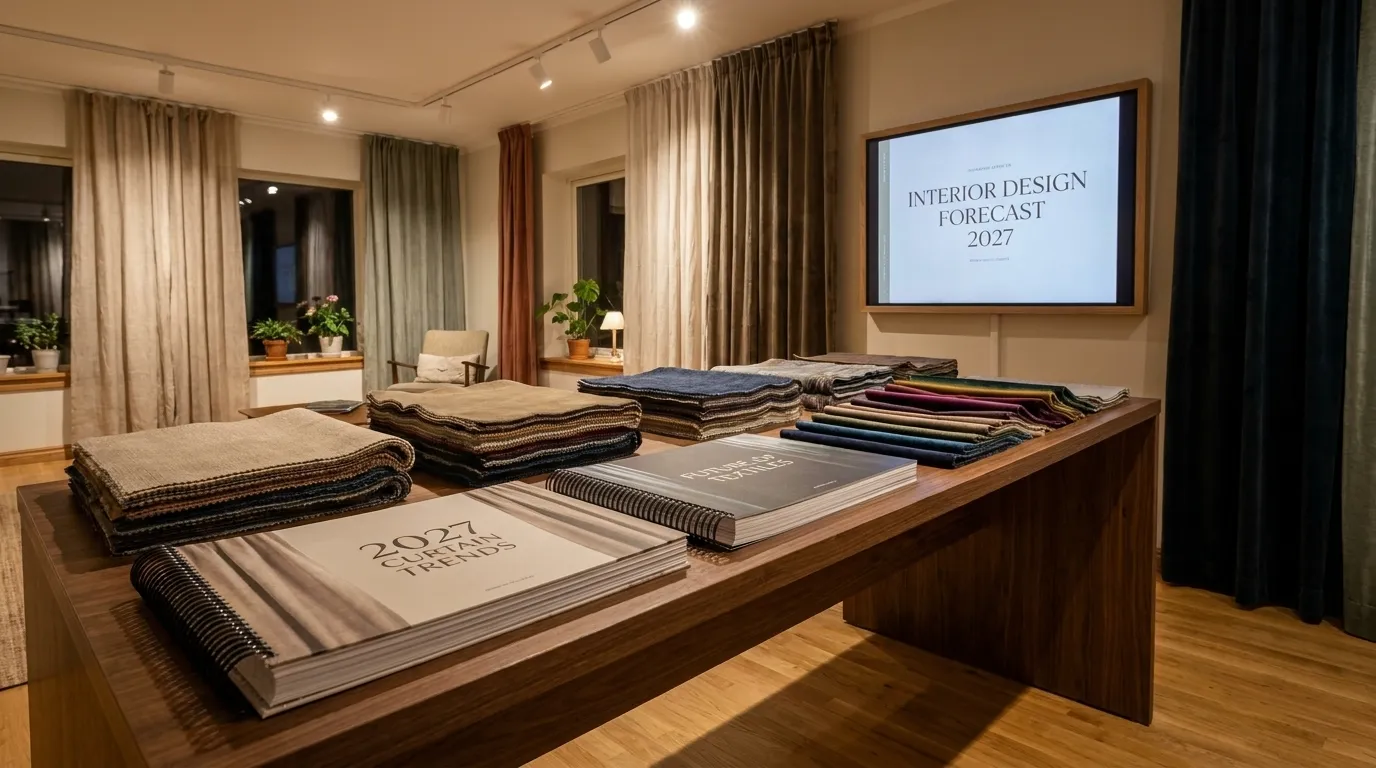
- Architectural Cut-Pile Velvets (Light Absorption & Acoustic Quietness): Heavy cut-pile velvets (450 g/m² to 600 g/m²) absorb up to 85% of ambient light and acoustic echo, enriching deep jewel tones like emerald green, amber yellow, and deep indigo while creating a serene, soundproofing indoor retreat (starting at Rp 60.000/m to Rp 110.000/m).
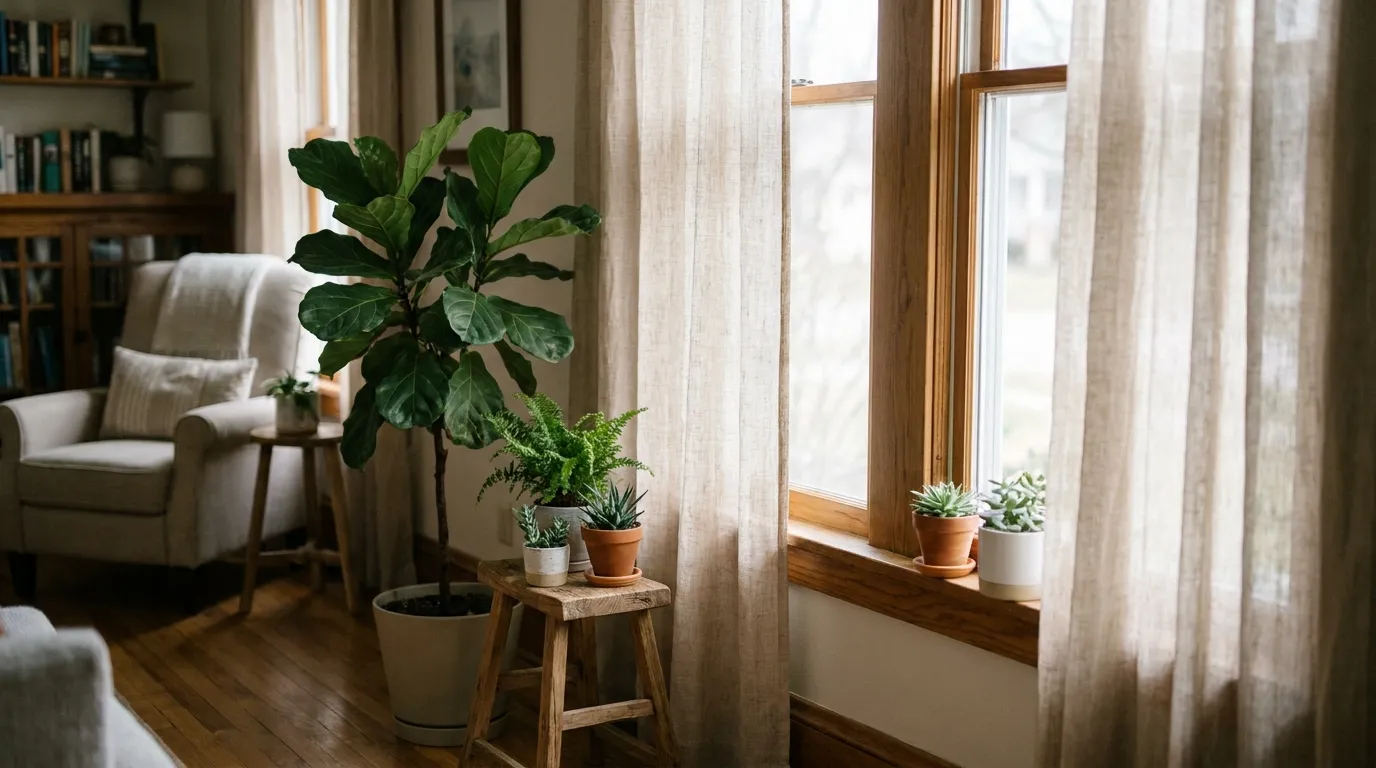
- Translucent Luminous Sheers (Diffuse Light Softening): Positioned closest to sliding glass doors, sheer voiles filter harsh zenith solar rays into a soft, ethereal light beam that illuminates living rooms without harsh glare.
5. Dual-Track Day-to-Night Functional Layering
Achieving total day-to-night functional versatility relies on strategic multi-layer drapery configurations installed on dual-track channels:
- Daytime Layer (Translucent Solar Sheer Voiles): Positioned on the track closest to the glass, lightweight slubbed linen sheers filter blinding solar glare into a soft ambient illumination while permitting ocean breezes to circulate (starting at Rp 60.000/m on our products page).
- Nighttime & Thermal Isolation Layer (100% Coated Blackout): Positioned on the secondary track channel, multi-pass acrylic coated blackout drapes in complementary deep tones block 100% of morning solar light, reflect radiant heat outward, and absorb external acoustic noise, ensuring restful sleep for residents and villa guests.
6. Ceiling Recess Pelmets & Precision Tailoring Mechanics
Executing a resort-grade drapery scheme that highlights custom color selections requires precise hardware installation and tailoring metrics:
- S-Fold (Ripplefold) Wave Pleat Fullness (2.0x to 2.2x): Tailor drapery panels using double the track width in flat fabric volume. Continuous vertical S-waves highlight textile colors and ensure fabric stacks back neatly without crushing against side walls. Calculate exact fabric volume and stack-back allowances using our digital stacking calculator.
- Ceiling Recessed Pelmet Pockets: Mount heavy-duty aluminum tracks flush inside built-in ceiling recessed pelmet pockets measuring **20 cm to 25 cm wide** and **10 cm to 15 cm deep**. Recessing hardware hides tracks completely, allowing color cascades to emerge seamlessly out of the ceiling line. Spatial tolerances can be cross-referenced on our valances and cornices measuring guide.
- The 1 cm Floor Hover Clearance Rule: Measure vertical drop distances accurately from track runner eyelets down to finished floor surfaces. Calibrate ratchet hooks so bottom hems hover precisely **1 cm above finished floor level**. This prevents curtain hems from dragging across floor tracks, collecting dust, or absorbing moisture during routine floor mopping. Review drop measurement rules on our curtain measuring guide and dedicated shade measuring guide.
7. Tropical Climate Resilience: Advanced Anti-Mold Protection
In humid coastal climates like Bali, relative atmospheric humidity frequently exceeds 85%. When open-plan living pavilions feature expansive glass sliding doors, temperature contrasts between indoor split-system air conditioning and outdoor humidity create condensation microclimates near glass panes where fungal mold spores thrive, staining rich fabric colors and emitting musty odors.
To preserve pristine textile elegance, rich color fastness, and indoor air hygiene, custom draperies supplied by Almeers Living incorporate advanced **Anti-Mold** (anti-jamur) technology. This specialized hydrophobic antimicrobial finish repels moisture droplets and prevents fungal spore germination, keeping your curated drapery palettes clean, fresh, and allergen-free season after season.
8. Smart Motorization for Strain-Free Color Preservation
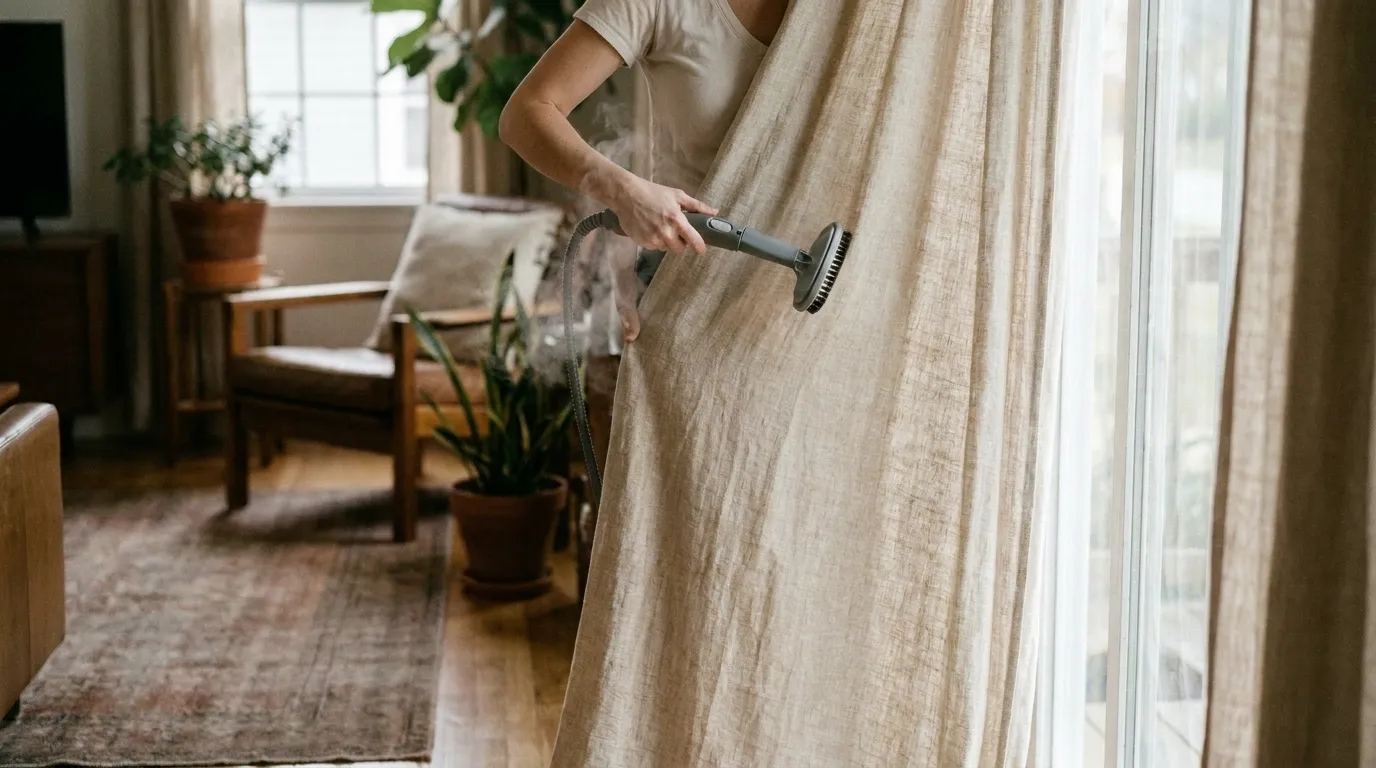
Manually drawing heavy multi-layer floor-to-ceiling draperies across 5-meter to 8-meter sliding door spans subjects fabric edges to physical friction and transfers skin oils onto face fabrics. Upgrading window treatments to a motorized track system powered by whisper-quiet DC actuators defines modern luxury living.
Motorized tracks glide drapes smoothly along the ceiling line at the touch of a button. Systems integrate seamlessly with bedside remotes, sleek wall keypads, smartphone apps, and smart home platforms like Apple HomeKit, Google Assistant, Amazon Alexa, and Control4. Program automated solar schedules to open sheers gracefully at sunrise and draw blackout panels automatically during peak afternoon heat hours (11:00 AM – 3:00 PM), maintaining cool indoor temperatures passively.
9. Elevate Your Modern Residence with Almeers Living
Selecting color inspiration for window treatments in modern properties requires an expert synthesis of chromatic light rendering, contrast balancing, tactile texture layering, anti-mold protection, and climate-resilient hardware installation. Partnering with an experienced local specialist guarantees precise laser site surveys, master fabrication, and long-term operational durability. As a recognized premier window treatment specialist in Bali, Almeers Living offers complete turnkey execution—from complimentary on-site laser surveys and custom fabric sampling to professional motorized installation across the island.
Transform your villa or residential estate into a beautifully harmonized, sun-regulated sanctuary today. Browse our full range of custom drapery fabrics, dual-track hardware, and automated window solutions on our products page to schedule your personalized on-site consultation with Bali’s trusted window experts.