Guide to Motorized Blinds Installation: The Complete Bali Guide
Short answer: A successful motorized blind installation starts before the blind arrives. Accurate measurement, mounting, motor selection, power planning, control strategy and commissioning need to be considered together.
Why Installation Planning Matters
Motorization adds engineering to a window treatment. The system must accommodate the motor, power source, control method and physical load of the blind.
The Installation Process
- Site assessment: review dimensions, recesses, access and electrical conditions.
- Product specification: select fabric, opacity, blind size, tube, motor and control method.
- Power planning: determine the appropriate wired, rechargeable or other approved configuration.
- Mounting preparation: identify secure fixing points and suitable substrate.
- Blind installation: mount brackets, tube and fabric assembly.
- Motor commissioning: configure limits and direction.
- Control setup: pair remote, wall control or compatible smart-home interface.
- Testing: confirm smooth travel, stopping positions and alignment.
What Must Be Decided Before Installation?
| Decision | Why It Matters |
|---|---|
| Blind dimensions | Affects fabric weight and motor load |
| Mounting position | Determines clearance and appearance |
| Power method | Affects wiring and maintenance |
| Control method | Determines user experience |
| Number of blinds | May require grouping |
| Smart-home integration | Requires ecosystem compatibility |
Wired vs Rechargeable
Wired systems can suit new construction or renovation where electrical planning is integrated early. Rechargeable systems may reduce fixed wiring in suitable applications. The correct choice depends on blind size, frequency of use, power access and motor specifications.
Smart-Home Integration
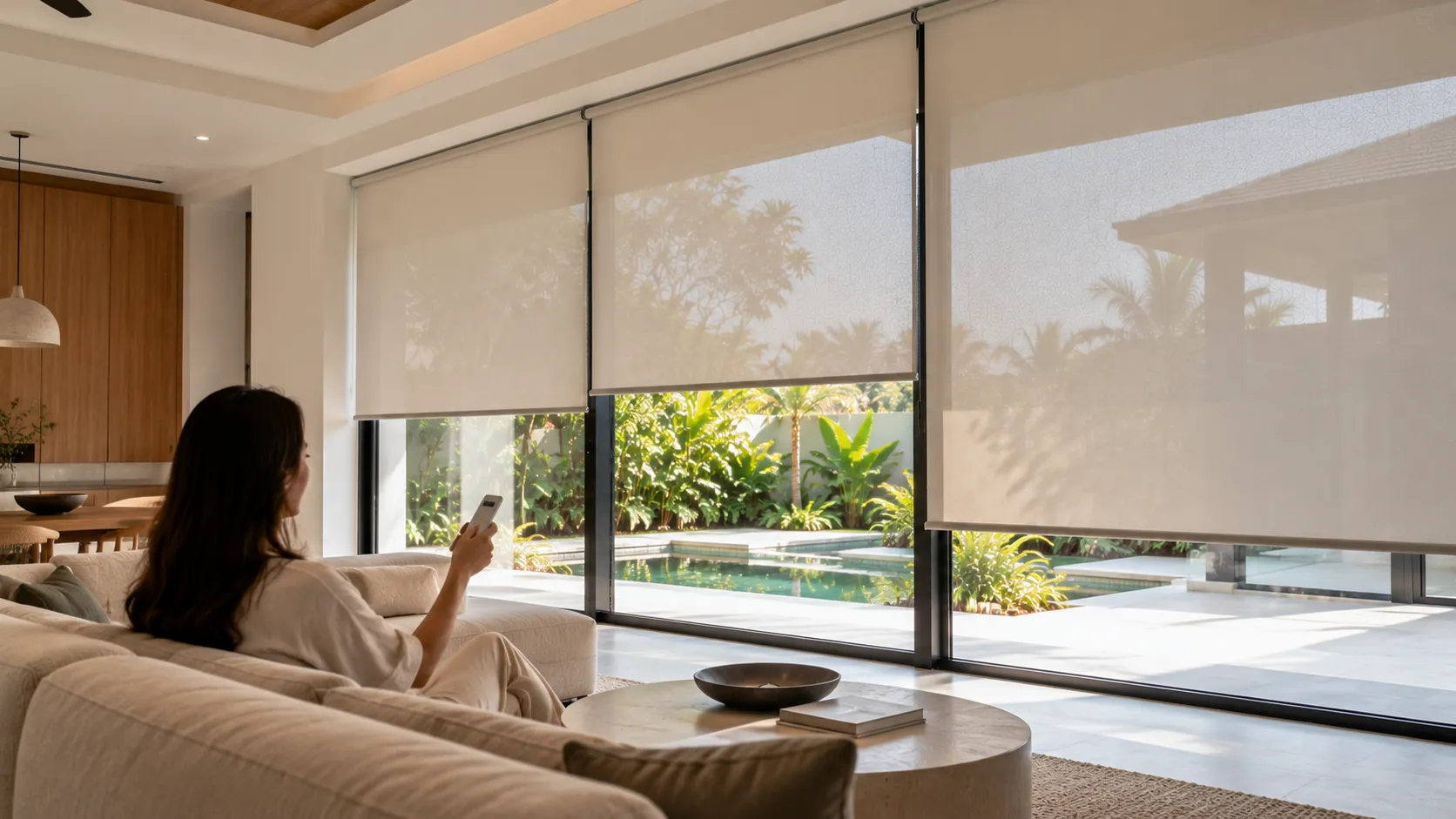
Depending on the ecosystem, motorized blinds can use remotes, wall controls, apps or smart-home interfaces. Confirm compatibility between motor, hub, network and platform before promising integration.
Large Windows Need Special Attention
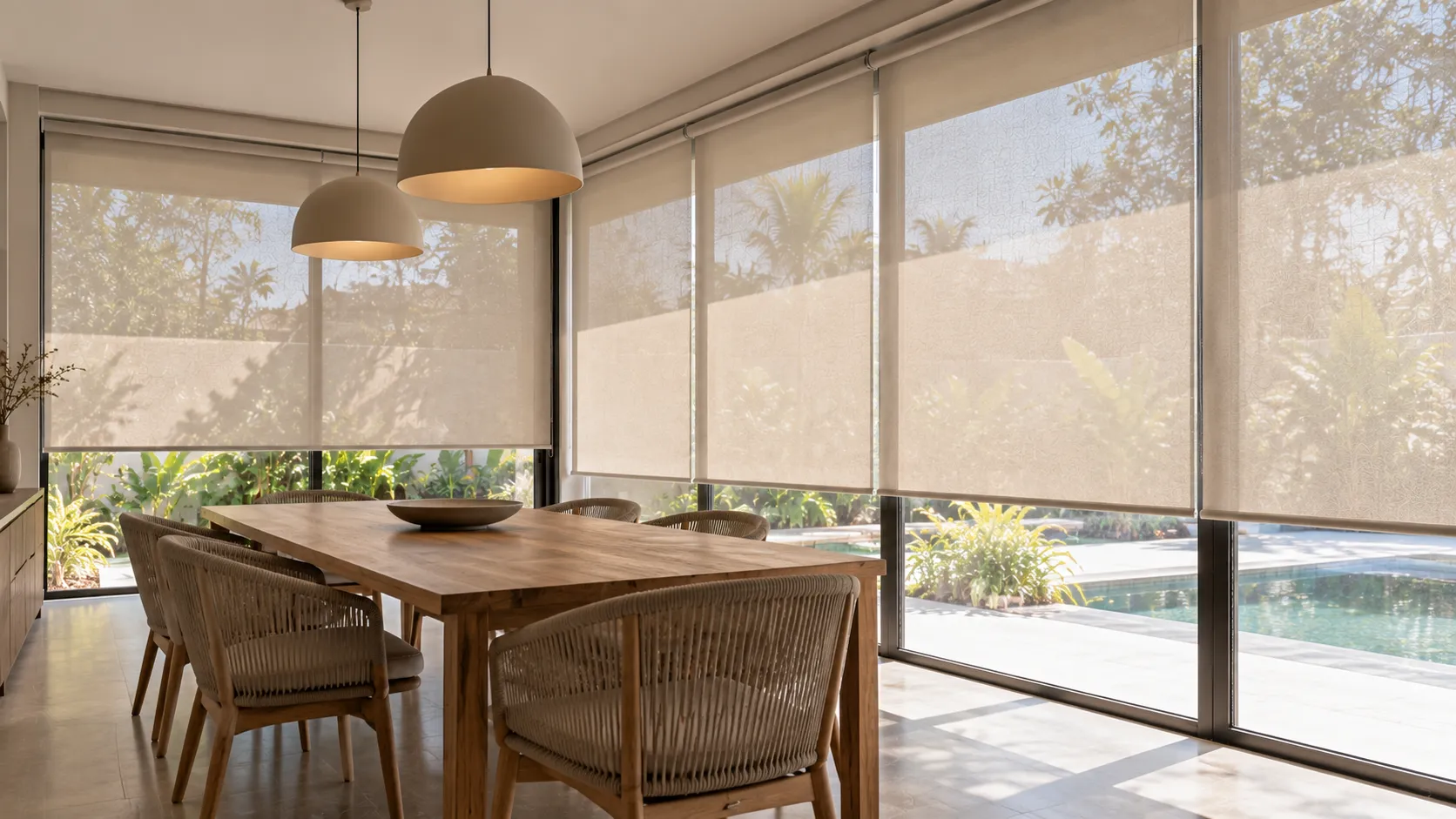
Large blinds can require stronger tubes, motors and fixing points. Very wide openings may be divided into multiple sections rather than one oversized blind.
Common Installation Mistakes
- Choosing the motor before final dimensions.
- Leaving power planning until installation day.
- Fixing brackets to weak substrate.
- Ignoring future motor access.
- Assuming every smart-home platform is compatible.
- Skipping final commissioning.
Testing and Handover Checklist
- Blind runs smoothly.
- Upper and lower limits are correct.
- Fabric rolls evenly.
- Brackets are secure.
- Controls work.
- Grouping works if specified.
- Customer understands operation and care.
When Is Motorization Worth It?
Motorization is especially useful for high windows, large numbers of blinds, difficult-to-reach openings, hospitality properties and coordinated light-control scenes. The goal should be easier and more consistent operation, not technology for its own sake.
Final Takeaway
The best motorized blind installation is planned as a complete system rather than a blind with a motor added at the end. Measurement, fabric weight, hardware, power, controls and commissioning should be resolved before production.
Almeers Living provides consultation, measurement and professional installation for suitable motorized window-treatment projects across Bali.