Guide to Safe Window Treatments for Kids: A Smarter Way to Choose
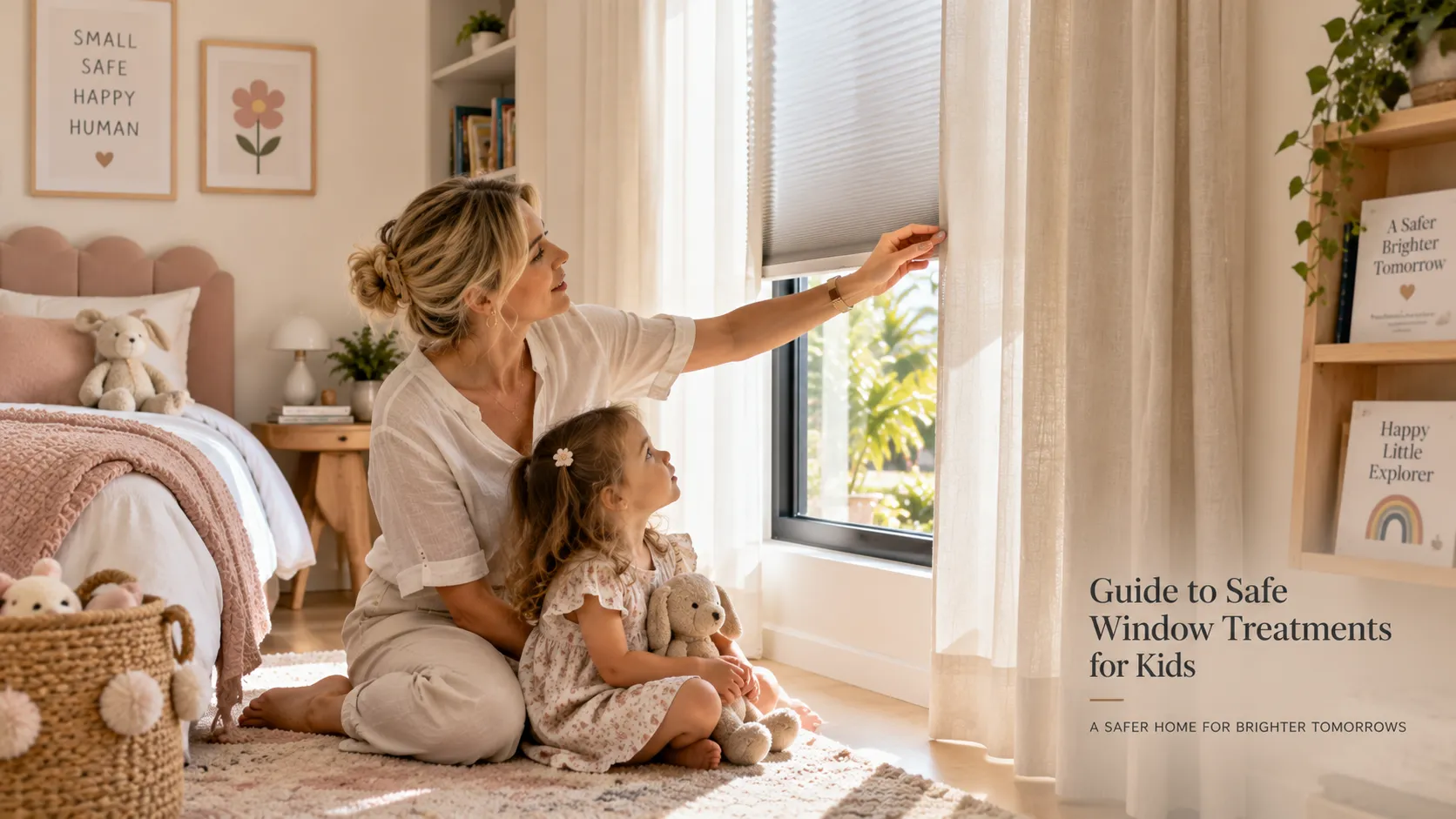
When choosing window treatments for children's bedrooms or family spaces, safety should be part of the specification from the beginning. Key considerations include cords and chains, control position, secure mounting, furniture placement and the child's access to the window treatment.
The safest specification depends on the exact product and installation condition, so always follow current manufacturer safety instructions and applicable local requirements.
What Should Parents Check First?
| Area | What to Review | Practical Goal |
|---|---|---|
| Controls | Cords, chains, wands or motorized controls | Keep hazardous controls inaccessible to children |
| Mounting | Brackets and fixing surface | Ensure the treatment is securely installed |
| Furniture | Beds, chairs and climbable furniture near windows | Reduce easy access to controls and openings |
| Operation | Manual or motorized system | Choose an operating method appropriate to the room |
| Window access | Opening type and child access | Coordinate the window and treatment specification |
Why Cords and Chains Need Attention
Loose or accessible operating cords and chains can create hazards for young children. A child-conscious specification therefore considers how the control is positioned, how it operates and whether it can be reached from nearby furniture.
Cordless and Motorized Options
Cordless operation can reduce the presence of hanging cords. Motorized systems can also move operating control away from the window itself, depending on the control architecture.
Motorization should still be planned correctly: the motor, power supply, control method and installation must be coordinated, and the system should be used according to the manufacturer's instructions.
Mounting Safety Matters Too
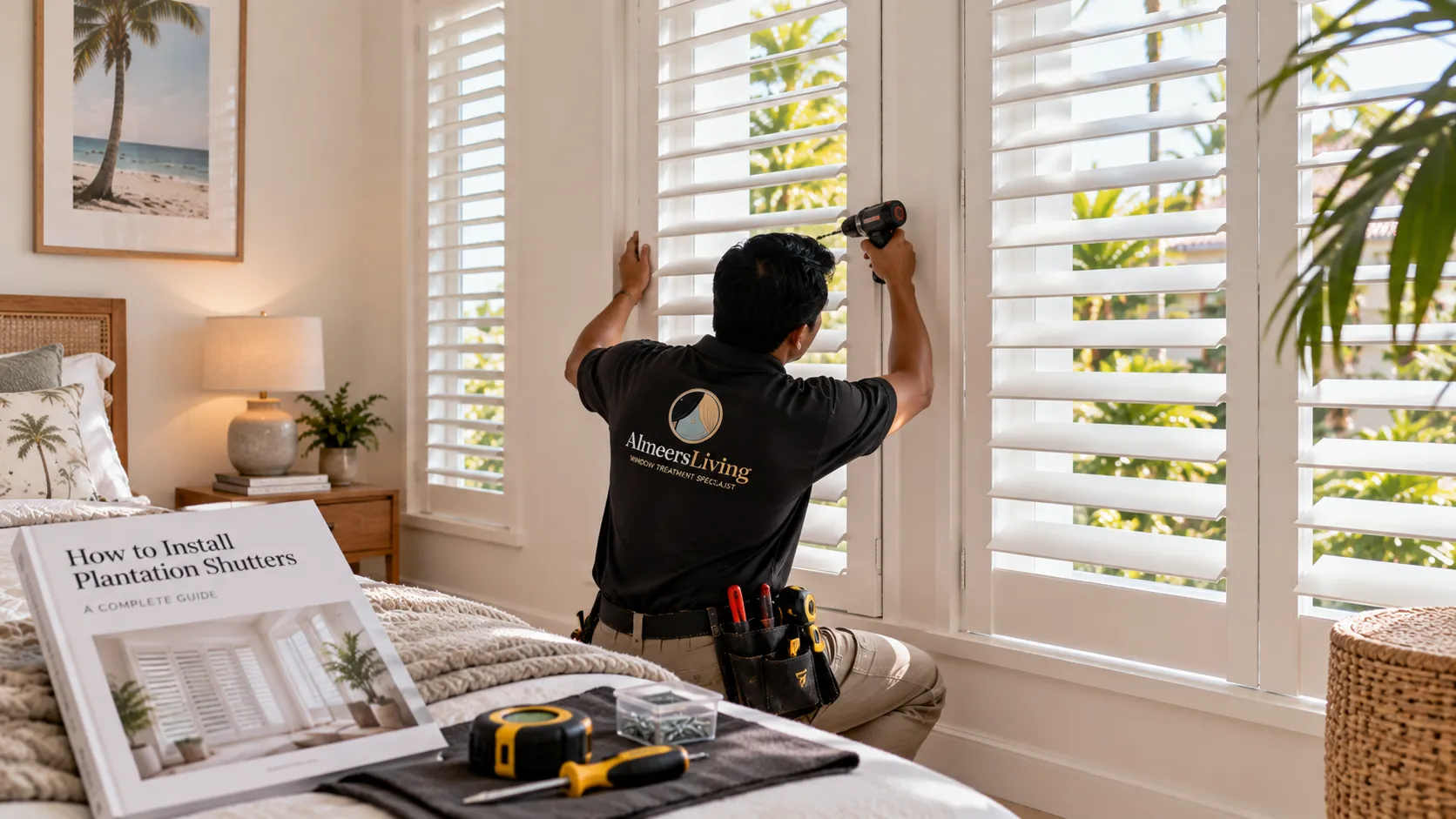
A child-conscious design is not only about the curtain or blind. Hardware must be fixed appropriately to the building structure. For heavier curtains, large blinds or high-use areas, the fixing method should match the load and substrate.
Furniture Placement and Window Treatments
A bed, sofa or chair placed directly beneath a window can change how easily a child can reach a control or climb toward the opening. Window-treatment planning should therefore be considered together with room layout.
Child-Conscious Options by Room
| Room | Useful Considerations |
|---|---|
| Child's bedroom | Accessible controls, furniture placement, blackout needs and secure mounting |
| Playroom | Durability, simple operation and reduced loose control elements |
| Family living room | Child access, furniture position and frequent operation |
| Hotel family room | Clear operating instructions and a specification suitable for repeated guest use |
Common Mistakes
- Choosing a blind or curtain before considering control accessibility.
- Ignoring nearby furniture that gives children access.
- Assuming a product is safe without checking current instructions.
- Using unsuitable fixings for the wall or ceiling substrate.
- Adding motorization without planning power and control requirements.
- Forgetting that the window itself is part of the overall safety environment.
Final Safety Checklist
- Operating controls are reviewed for accessibility.
- Current manufacturer safety instructions are checked.
- Mounting points and fixing method are appropriate.
- Nearby furniture placement is considered.
- Window and treatment operation are coordinated.
- Motorized systems have appropriate power and control planning.
Final Takeaway
A child-conscious window treatment is a room-planning decision, not simply a product choice. Review the control system, hardware, window, furniture and installation together before the treatment is fabricated.
For family villas, residences and hospitality projects, Almeers Living can help coordinate window-treatment selection, measurement and installation with the specific room conditions.