High-Humidity Resistant Curtains: The Mistakes to Avoid — Mold-Resistant Fabric Selection, Anti-Fungal Coatings, and Damp-Proof Window Coverings
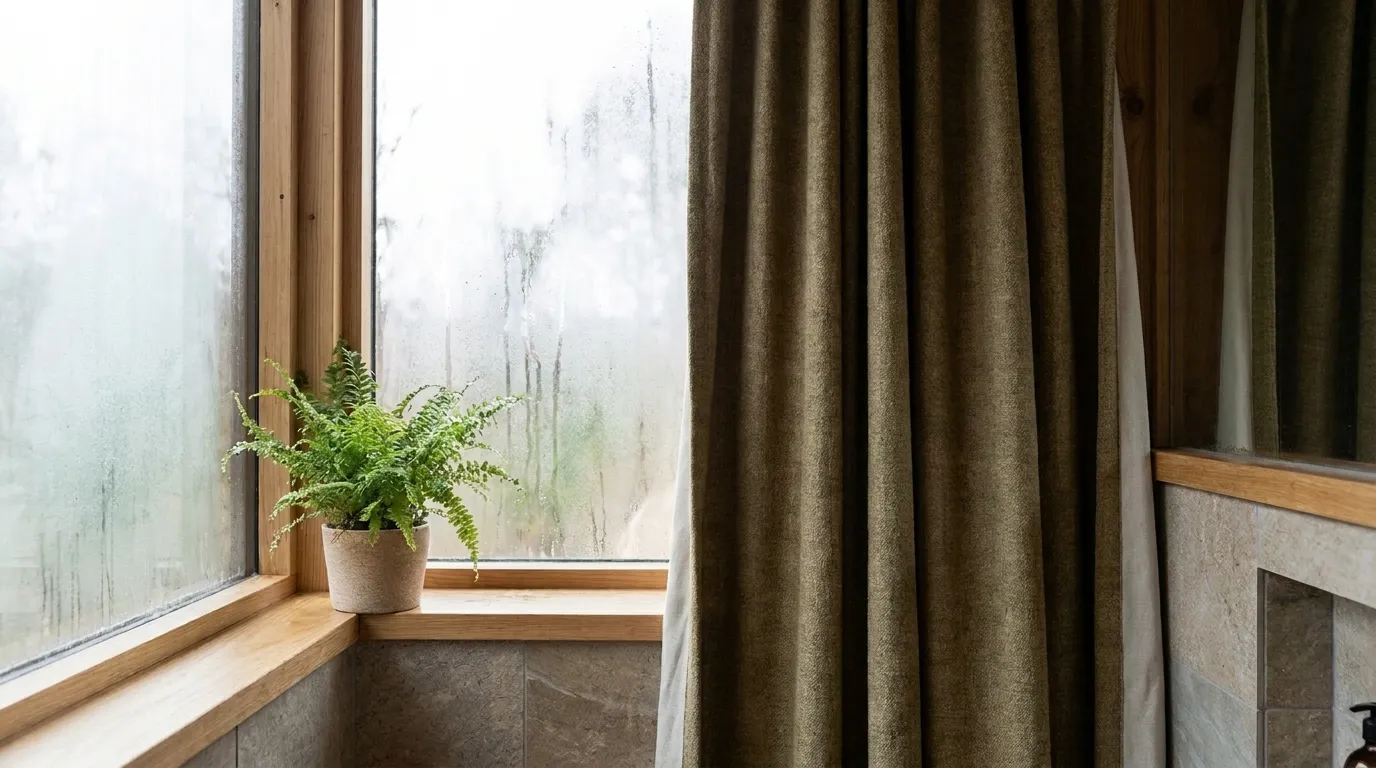
Designing modern luxury residential estates, boutique hospitality resorts, and private rental villas across Bali—from the vibrant coastal corridors of Canggu, Seminyak, and Umalas to the humid rainforest sanctuaries of Ubud and dramatic clifftop estates in Uluwatu—demands an uncompromising focus on environmental material science. In tropical island environments, relative atmospheric humidity routinely exceeds 80% to 90%. When open-plan living pavilions, master suites, and poolside lounges feature expansive floor-to-ceiling glass sliding doors, extreme moisture exposure is inevitable. However, outfitting high-humidity spaces with improper window coverings frequently leads to catastrophic failures: unsightly black mold infestation, musty odor retention, fabric dry rot, and rusted track hardware. Property developers, interior architects, and villa owners frequently search for authoritative guidance on high-humidity resistant curtains: the mistakes to avoid (mastering mold-resistant fabric selection, anti-fungal coatings, and damp-proof window coverings) to protect interior air quality, guest health, and overall property value.
Executing a damp-proof window treatment strategy in high-temperature, high-moisture tropical microclimates involves far more than simply hanging synthetic cloths. It requires an integrated engineering approach: identifying common material specification errors, selecting non-porous hydrophobic textiles, applying non-toxic anti-fungal treatments, engineering marine-grade track systems, building ventilated ceiling pelmet cavities, and integrating smart automated solar scheduling. In this comprehensive editorial masterclass, we explore the science of mold prevention, textile moisture dynamics, and practical installation standards to help you design a resort-grade, damp-proof sanctuary.
1. Mistake #1: Specifying Highly Absorbent Organic Natural Fibers
The single most frequent material specification mistake in high-humidity tropical environments is choosing untreated 100% organic natural fibers—such as heavy raw cotton, unrefined jute, or unblended natural silk—for windows exposed to ocean air or pool moisture:
- Hydrophilic Capillary Absorption: Natural cellulosic fibers possess microscopic porous structures that act like natural sponges. In humid coastal air, raw cotton and linen fibers absorb ambient water vapor continuously. This trapped moisture provides ideal nourishment for fungal spores to colonize deep within yarn cores.
- Fiber Swelling and Rotting: Continuous moisture absorption causes natural threads to swell and contract repeatedly, breaking down tensile strength and causing bottom hems to sag unevenly or rot along floor tracks.
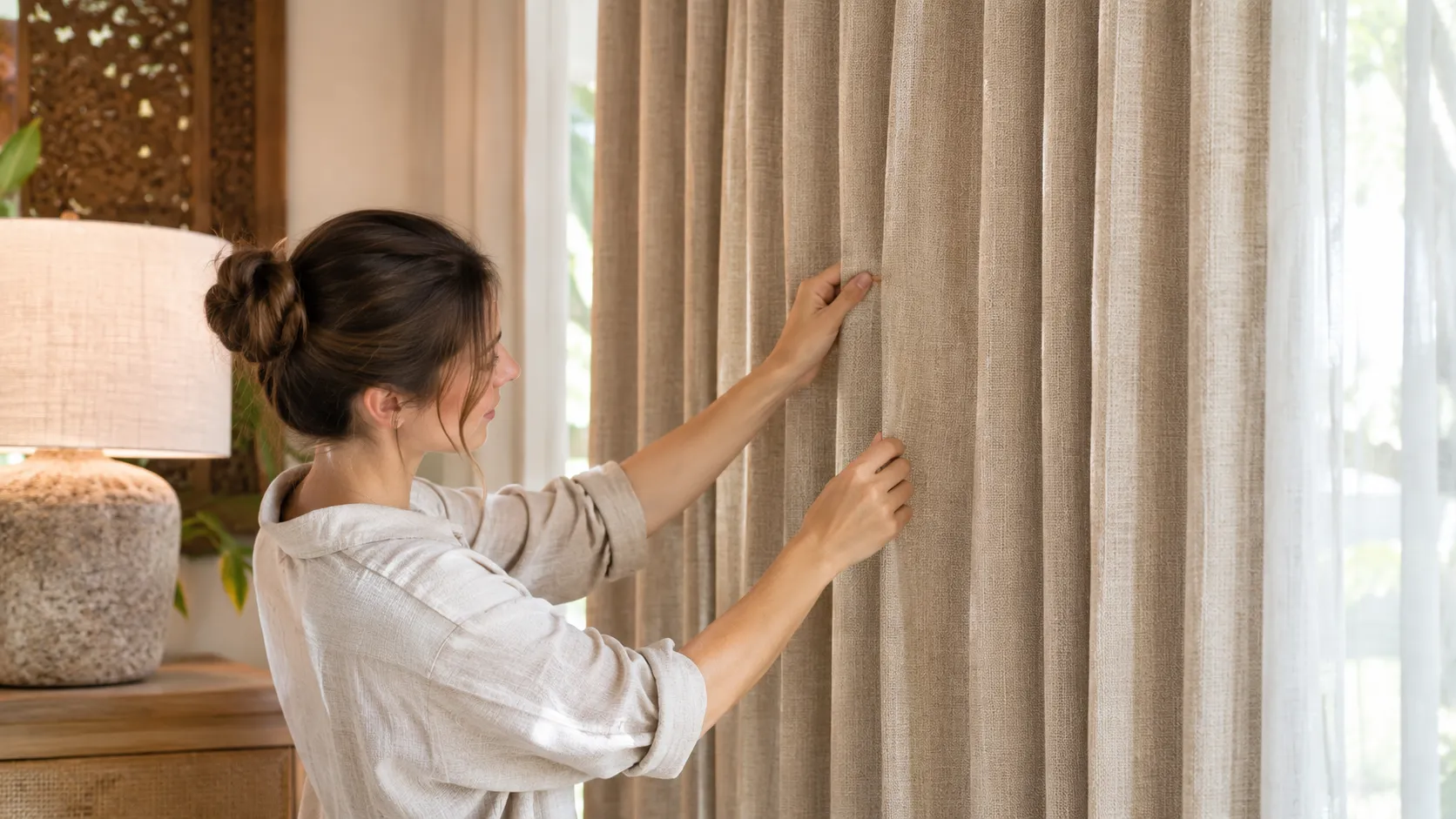
- The Synthetic Hydrophobic Solution: High-humidity spaces require engineered solution-dyed acrylics, high-density polyester-linen blends, or specialized PVC-coated fiberglass weaves. These synthetic polymers possess zero capillary absorption, repelling moisture droplets completely. Explore technical fabric swatches starting at Rp 60.000/m on our products page.
2. Mistake #2: Overlooking Advanced Anti-Fungal and Hydrophobic Coatings
Relying solely on standard synthetic textiles without specialized antimicrobial surface treatments is a critical oversight. In humid island climates like Bali, airborne dust, skin oils, and organic pollen settle onto fabric surfaces, creating a nutrient layer where fungal spores germinate even on synthetic yarns:
- Active Fungal Spore Inhibition: High-performance draperies supplied by Almeers Living incorporate advanced **Anti-Mold** (anti-jamur) and anti-fungal technology. This specialized antimicrobial finish repels water droplets and destroys microscopic fungal cell membranes upon contact, preventing black mold (Aspergillus niger) and mildew colonies from forming.
- Hydrophobic Resin Barriers: Advanced surface treatments create an invisible hydrophobic shield that forces liquid condensation to bead up and roll off fabric surfaces effortlessly, keeping drapes dry, clean, and allergen-free season after season.
3. Mistake #3: Neglecting Non-Corrosive Marine-Grade Track Hardware
Focusing exclusively on fabric moisture resistance while ignoring track hardware mechanics leads to severe operational failures. High humidity combined with airborne coastal sea salt causes rapid metallic oxidation:
- The Hazards of Standard Metal Hardware: Untreated iron, cheap zinc alloys, or standard 304 stainless steel screws installed in coastal villas undergo rapid galvanic corrosion. Rust flakes bleed onto pristine white sheer voiles, staining fabric edges permanently.
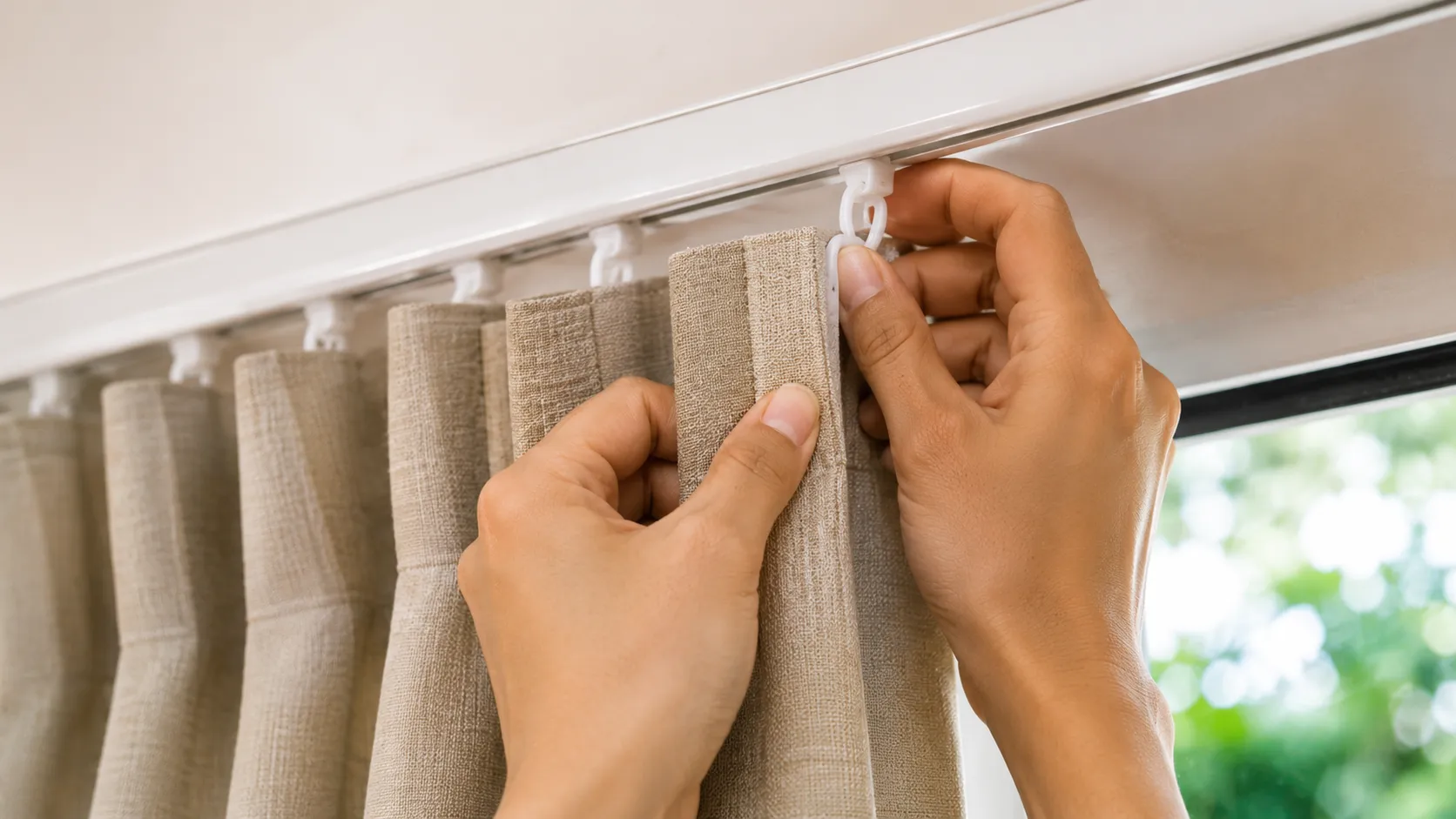
- Marine-Grade Aluminium and Stainless Steel (AISI 316): Damp-proof window treatment specifications require heavy-gauge extruded aluminum tracks finished with architectural exterior powder coating, paired strictly with 316 marine-grade stainless steel brackets and nylon-bearing gliders.
4. Mistake #4: Trapping Moisture Inside Non-Ventilated Pelmet Pockets
In modern minimalist and Japandi villa architecture, curtain tracks are embedded flush inside concealed ceiling recessed pelmet pockets. However, framing tight pelmet cavities without proper air circulation creates a destructive moisture trap:
- Convective Microclimate Stagnation: Temperature contrasts between indoor split-system air conditioning and hot exterior humidity create localized moisture condensation inside unventilated ceiling pockets. Trapped humid air fosters rapid mold growth along top curtain heading tapes.
- Pelmet Cavity Sizing (20 cm to 25 cm Width): Frame ceiling recessed pockets with a generous internal width of **20 cm to 25 cm** for dual-track systems (sheers combined with 100% thermal blackout drapes) and a drop depth of **10 cm to 15 cm**. This provides sufficient air buffer space for natural convective ventilation. Review spatial tolerances on our valances and cornices measuring guide.
5. Mistake #5: Dragging Curtain Hems Across Damp Floor Surfaces
Allowing drapery bottom hems to touch or drag across finished stone, wood, or micro-cement floors is a severe maintenance error in high-humidity tropical homes:
- Wick-Action Contamination: Floor washing moisture, mop chemicals, and pooled rainwater near sliding door tracks wick directly into bottom hem folds, leaving dark liquid stains, mold spots, and frayed seam edges.
- The 1 cm Floor Hover Clearance Rule: Always measure vertical drop distances from track glider eyelets down to finished floor surfaces at multiple points across the opening. Tailor bottom hems to hover precisely **1 cm above finished floor level**. This eliminates floor contact, preventing bottom hems from absorbing mop moisture or collecting floor dust. Review drop measurement rules on our curtain measuring guide and dedicated shade measuring guide. Calculate stack allowances using our digital stacking calculator.
6. Mistake #6: Omitting Dual-Track Day-to-Night Environmental Control
Relying on a single fabric layer across expansive high-humidity glass sliding doors limits daylight management and thermal balance. Luxury villas and hotels require double-track drapery configurations:
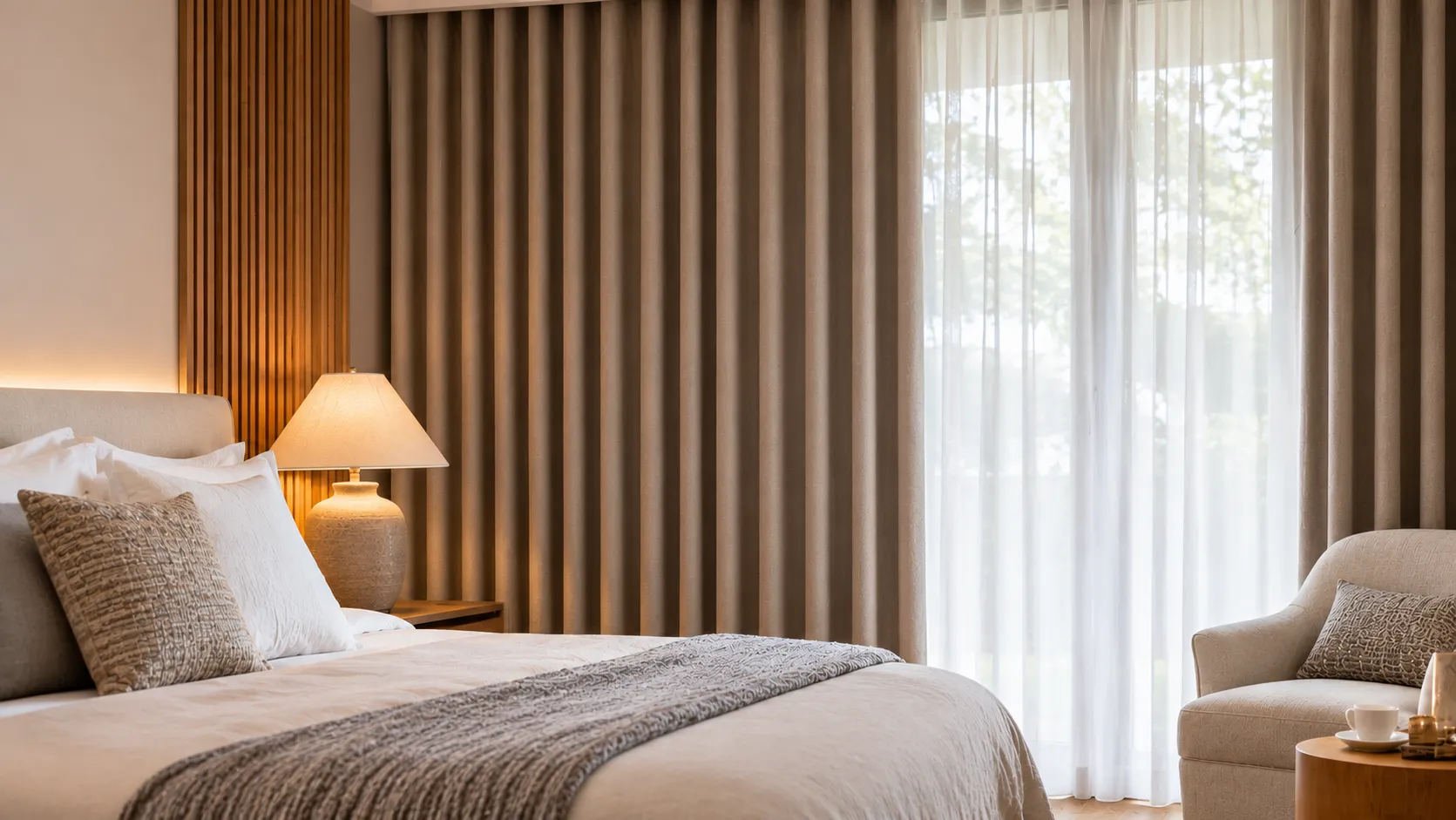
- Daytime Layer (Hydrophobic Translucent Sheers): Positioned closest to the glass, lightweight slubbed linen sheers filter blinding tropical solar glare into a soft ambient glow, reduce solar heat gain, and preserve outdoor garden views while allowing sea breezes to circulate (starting at Rp 60.000/m on our products page).
- Nighttime Layer (100% Coated Thermal Blackout): Positioned on the secondary track channel, multi-pass acrylic coated blackout drapes block 100% of morning light, eliminate outdoor glare, and reflect radiant solar heat outward (starting at Rp 60.000/m to Rp 110.000/m).
7. Smart Motorization for Strain-Free Damp-Proof Operation
Manually drawing heavy, damp-proof multi-layer draperies across 5-meter to 8-meter wide sliding spans can be cumbersome. Upgrading high-humidity installations to a motorized track system powered by whisper-quiet DC actuators offers ultimate resort convenience.
Motorized tracks distribute movement torque evenly along the top belt drive, ensuring smooth operation without manual pulling or skin oil transfers onto delicate sheer voiles. Motorized systems integrate seamlessly with handheld remotes, wall keypads, smartphone apps, and smart home platforms like Apple HomeKit, Google Assistant, Amazon Alexa, and Control4. Program automated solar schedules to close blackout drapes during peak afternoon heat hours (11:00 AM – 3:00 PM), maintaining cool indoor temperatures passively before guests return home.
8. Elevate Your Tropical Residence with Almeers Living
Outfitting high-humidity spaces with damp-proof window treatments requires an expert synthesis of non-absorbent material selection, anti-fungal chemical engineering, marine-grade hardware specification, and precision spatial tailoring. Partnering with an experienced local specialist guarantees precise fabric selection, master tailoring, and long-term climate endurance. As a recognized premier window treatment specialist in Bali, Almeers Living offers complete turnkey execution—from complimentary laser site surveys and custom fabric sampling to professional motorized installation across the island.
Transform your residence, rental villa, or resort project into a damp-proof, sun-regulated sanctuary today. Browse our full range of custom drapery fabrics, dual-track hardware, and automated window solutions on our products page to schedule your personalized on-site consultation with Bali’s trusted window experts.