How to Repair Damaged Curtain Hems: Expert Tips for Tropical Homes — Frayed Edge Stitching, Tropical Moisture Resistance, and Fabric Restoration Methods
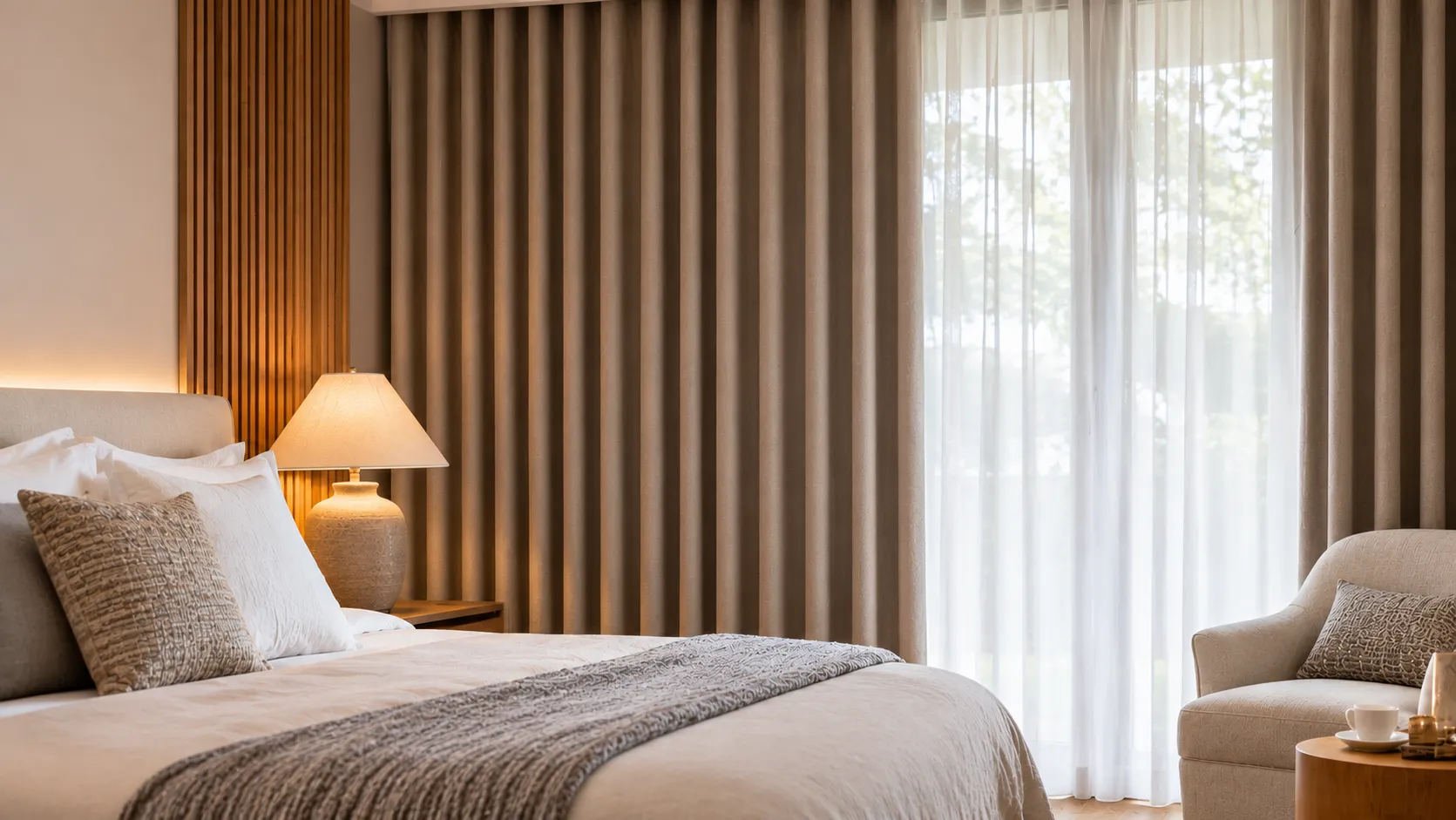
In high-end residential estates, luxury rental villas, and boutique hospitality properties across Bali—from the vibrant coastal hubs of Canggu, Seminyak, and Umalas to the serene forest sanctuaries of Ubud and dramatic clifftop retreats in Uluwatu—curtains are the primary architectural element framing expansive glass sliding doors and panoramic windows. However, because curtain bottom hems rest closest to floor level, sliding door tracks, and outdoor terraces, they bear the brunt of severe environmental and physical wear. Over time, continuous exposure to high atmospheric humidity, tropical floor wash dampness, foot traffic, sliding door mechanical friction, and pets can cause severe hem deterioration. Property managers, villa owners, and interior caretakers frequently seek authoritative advice on how to repair damaged curtain hems: expert tips for tropical homes (mastering frayed edge stitching, tropical moisture resistance, and fabric restoration methods) to extend drapery lifespan and maintain pristine five-star visual elegance.
Restoring damaged curtain hems in tropical island environments involves far more than simply running a quick needle and thread along a torn edge. It requires a systematic textile restoration approach: diagnosing degradation mechanisms, specifying hydrophobic anti-rot thread alloys, executing hidden blind-stitch tailoring, restoring internal lead weights, applying non-toxic anti-mold treatments, and re-establishing precise 1 cm floor clearances. In this comprehensive editorial masterclass, we present the definitive step-by-step restoration guide to help you preserve, repair, and protect your custom drapery investment.
1. The Root Causes of Curtain Hem Damage in Tropical Environments
Understanding why curtain hems fail in tropical climates allows property owners to address underlying structural causes rather than just treating visual symptoms:
- Floor Wash Moisture Absorption and Wick Action: Tailoring drapes too long so bottom hems drag across finished stone, wood, or micro-cement floors allows capillary action to wick floor cleaning chemicals, water, and dampness directly into fabric fibers. This causes water staining, thread rotting, and localized color fading.
- Mechanical Snagging on Sliding Door Tracks: In villas with high-frequency pedestrian access between indoor lounges and pool terraces, lower hem edges frequently catch on aluminum sliding door latches, floor tracks, or outdoor furniture legs, causing severe frayed edge tearing.
- Fungal Mildew Degradation: Continuous indoor air conditioning combined with external atmospheric humidity creates moisture condensation along lower window panes and door frames. Untreated bottom hems absorb this damp microclimate, fostering black fungal mildew spores that eat away at natural cotton or linen fibers.
- Dislodged or Rusted Bottom Weights: High-end draperies incorporate continuous lead weight tapes or heavy lead sinkers inside bottom hems to maintain straight S-fold wave pleats. Moisture exposure causes non-encapsulated metal weights to oxidize, creating dark rust stains and bursting lower seam threads.
2. Step-by-Step Fabric Restoration & Frayed Edge Stitching Protocols
Restoring a damaged drapery hem to resort-grade standards requires precise tailoring tools and specialized sewing techniques tailored to high-performance textiles:
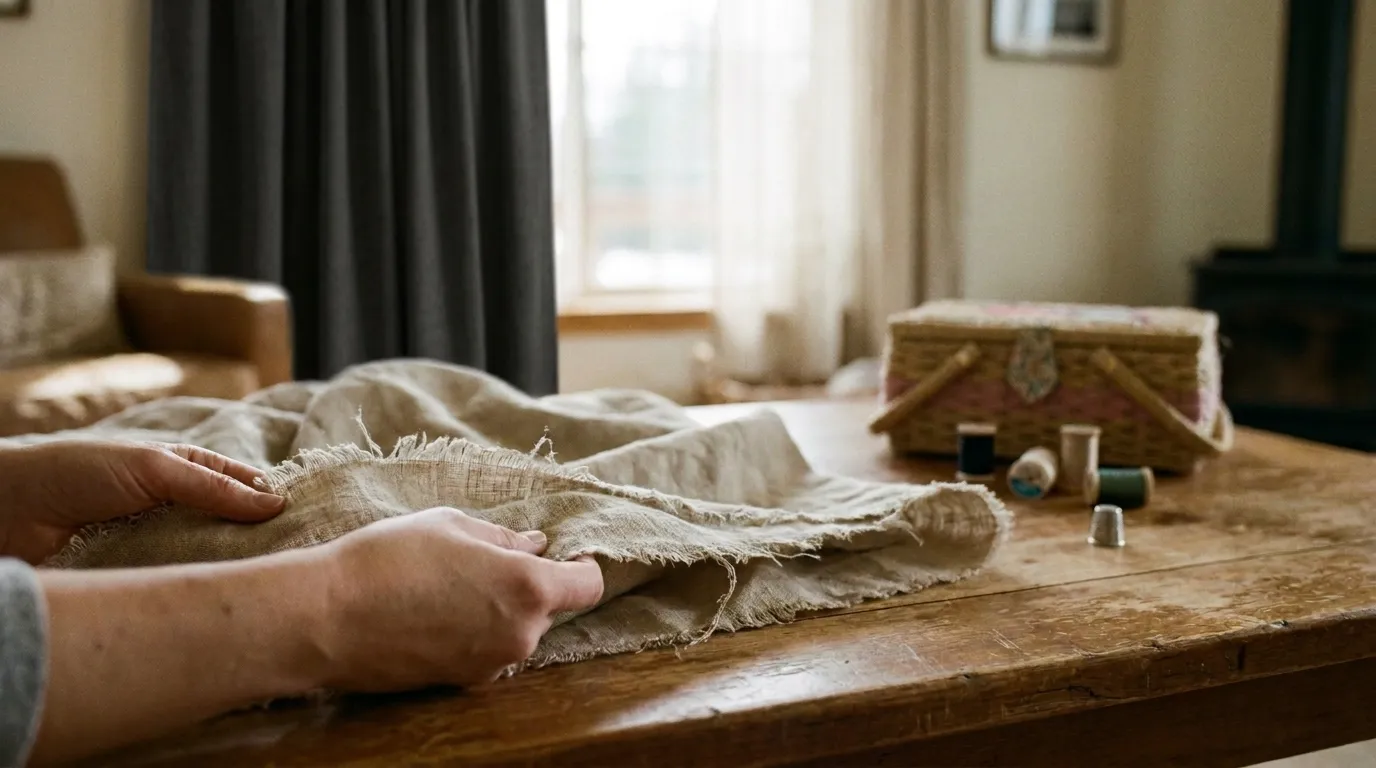
- Step 1: Clean & Inspect the Damage: Remove the drapery panel from its track glider carriers. Lay the fabric flat on a clean cutting table. Trim away loose, severely frayed threads using sharp dressmaker shears, taking care not to cut into the primary face fabric weave.
- Step 2: Fabric Decontamination & Mildew Removal: Before re-stitching, treat water-stained or mildew-affected hem sections with a mild, non-bleaching antimicrobial fabric wash. Allow the hem to dry completely under ambient air to eliminate trapped fungal spores.
- Step 3: Encapsulating Frayed Edges (Double-Fold Hem Technique): Fold the raw bottom edge upward by 1.5 cm, press with a steam iron, and then make a second 10 cm double fold. Encapsulating raw frayed edges inside a double-folded hem prevents future unraveling and creates substantial bottom fabric weight.
- Step 4: Executing a Slip-Stitch or Blind-Hem Stitch: Use a high-tenacity, UV-stabilized polyester thread matching the face fabric color. Hand-stitch the inner hem fold using a slip-stitch or tailor blind-hem stitch, catching only 1 to 2 threads of the front face fabric. This ensures structural holding strength while keeping stitching completely invisible from the front room view.
3. Restoring Internal Weights and S-Fold Pleat Symmetry
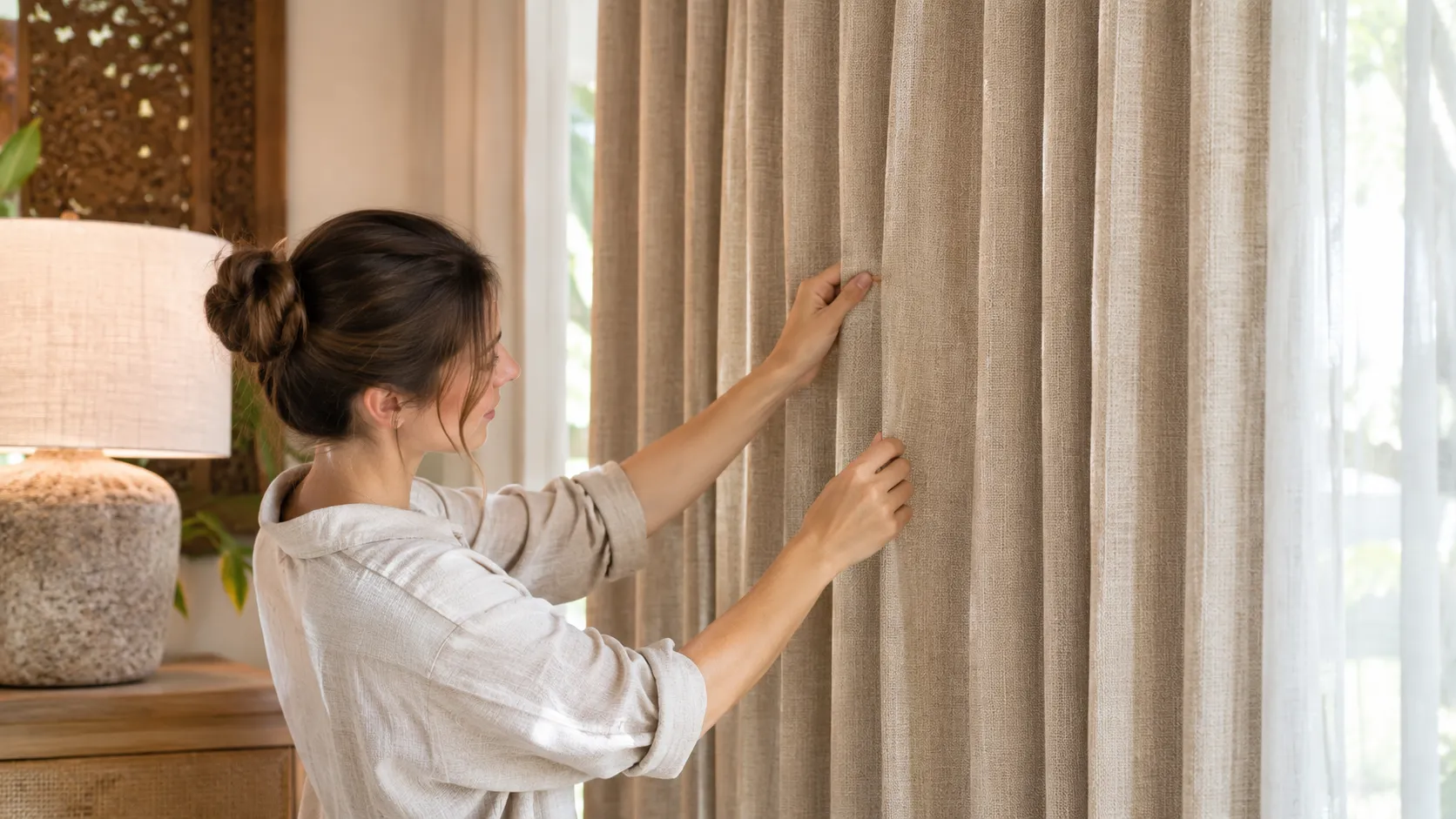
A curtain hem is not merely a finished edge; it acts as the primary weighting mechanism that anchors vertical **S-Fold (Ripplefold) wave pleats** against ocean breeze currents:
- Replacing Continuous Lead Tape Hems: If original internal bottom weights have rusted or shifted, open the side hem pocket and insert a fresh, vinyl-coated continuous lead weight tape. Vinyl encapsulation prevents direct metal contact with atmospheric moisture, eliminating future rust bleeding.
- Securing Corner Miter Weights: Insert heavy lead corner weights inside the bottom mitered corners of each curtain panel. Anchor the weight securely to the inner lining seam using heavy double-stitching to ensure corners hang sharp and flat without curling outward.
- Fullness Ratio Alignment (2.0x to 2.2x): Ensure that hem folds maintain double the track width in flat fabric volume (a 2.0x to 2.2x fullness ratio) so wave pleats fall in continuous vertical lines from ceiling to floor. Calculate exact stack clearances and fabric volume using our digital stacking calculator.
4. Achieving Tropical Moisture Resistance and Precision Drop Clearances
Preventing recurrent hem damage requires enforcing strict vertical drop clearance rules and protective hydrophobic fabric treatments:
- The 1 cm Floor Hover Clearance Rule: Always re-hang repaired draperies and verify vertical drop distances from track glider eyelets down to finished floor surfaces at multiple points across the window opening. Tailor bottom hems to hover precisely **1 cm above the floor surface**. This eliminates floor contact, preventing bottom hems from absorbing mop moisture or collecting floor dust. Step-by-step measurement protocols can be cross-referenced on our curtain measuring guide and dedicated shade measuring guide.
- Hydrophobic Fabric Sealing: Apply a breathable, fluoropolymer-free hydrophobic fabric shield spray to the lower 30 cm of the repaired curtain hem. This creates a invisible moisture barrier that repels water droplets, liquid spills, and dampness without altering fabric hand-feel or color.
5. Ceiling Recess Mounting and Hardware Alignment
Proper track mounting prevents physical drag stress on lower curtain hems. In luxury Japandi and minimalist villa architecture, track systems are embedded flush inside concealed ceiling pelmet pockets:
- Pelmet Pocket Alignment: Ensure ceiling recessed pockets measure at least **20 cm to 25 cm wide** for dual-track systems (sheers combined with 100% thermal blackout drapes) and **10 cm to 15 cm deep**. This ensures curtains move fluidly without rubbing against gypsum pocket walls. Review complete spatial tolerances on our valances and cornices measuring guide.
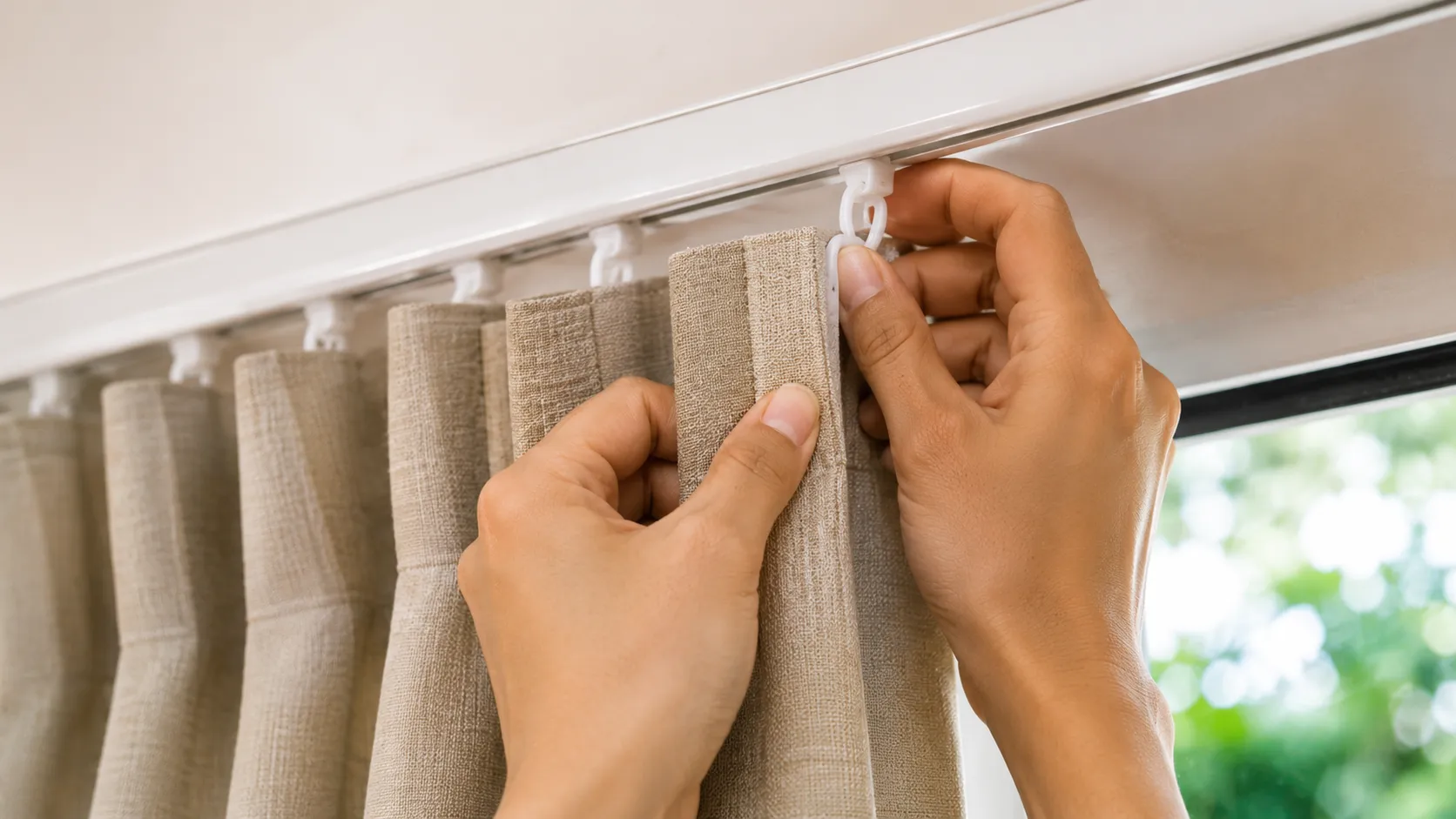
- Adjustable Ratchet Hook Calibration: Utilize high-density nylon ratchet hooks in the upper heading tape. These allow fine vertical height adjustments up to 5 cm, enabling property managers to lift or lower bottom hems easily if floor surfaces settle over time.
6. Tropical Climate Resilience: Advanced Anti-Mold Protection
In humid tropical environments like Bali, bottom curtain hems remain highly vulnerable to fungal spore accumulation due to high atmospheric humidity near sliding glass doors. Untreated organic fabrics absorb damp air, leading to dark mildew spots and unhygienic indoor odors.
To preserve long-term fabric cleanliness and indoor air hygiene, high-performance drapery restorations and replacements supplied by Almeers Living feature advanced **Anti-Mold** (anti-jamur) technology. This specialized antimicrobial treatment repels water droplets and inhibits fungal spore germination, keeping your restored draperies fresh, clean, and allergen-free season after season.
7. Smart Motorization for Strain-Free Hem Operation
Manually pulling drapes across wide sliding door spans often causes users to tug sideways on fabric edges, placing extreme tension stress on lower hem seams. Upgrading window treatments to a motorized track system powered by whisper-quiet DC actuators eliminates physical pulling entirely.
Motorized tracks distribute movement torque evenly along the top belt drive, ensuring bottom hems glide smoothly across floor spans without touching floor tracks. Motorized systems integrate seamlessly with handheld remotes, wall keypads, smartphone apps, and smart home platforms like Apple HomeKit, Google Assistant, Amazon Alexa, and Control4.
8. Elevate Your Property Care with Almeers Living
Repairing and maintaining custom drapery hems in tropical luxury properties requires an expert synthesis of textile restoration science, anti-moisture engineering, precision spatial drop rules, and climate-resilient fabric finishes. Partnering with an experienced local specialist guarantees professional fabric restoration, precision re-tailoring, and long-term operational durability. As a recognized premier window treatment specialist in Bali, Almeers Living offers complete turnkey execution—from complimentary on-site drapery assessments and custom fabric sampling to professional motorized installation and restoration services across the island.
Restore your luxury villa or resort window treatments to pristine five-star condition today. Browse our extensive collections of custom drapery fabrics, dual-track hardware, and automated window solutions on our products page to schedule your personalized on-site consultation with Bali’s trusted window experts.