Venetian Blinds Types: Material Selection, Slat Width Options, and Wood-Polymer Durability
Why Venetian Types Need Careful Selection
Venetian blinds look similar from a distance, but material and slat width determine performance, aesthetics, and lifespan. In tropical climates, material selection becomes more critical due to humidity and sun exposure.
Material Options
- Aluminium: lightweight, moisture-resistant, available in many colours. A safe choice for kitchens and bathrooms.
- Real wood: warm aesthetics, but vulnerable to humidity and temperature changes.
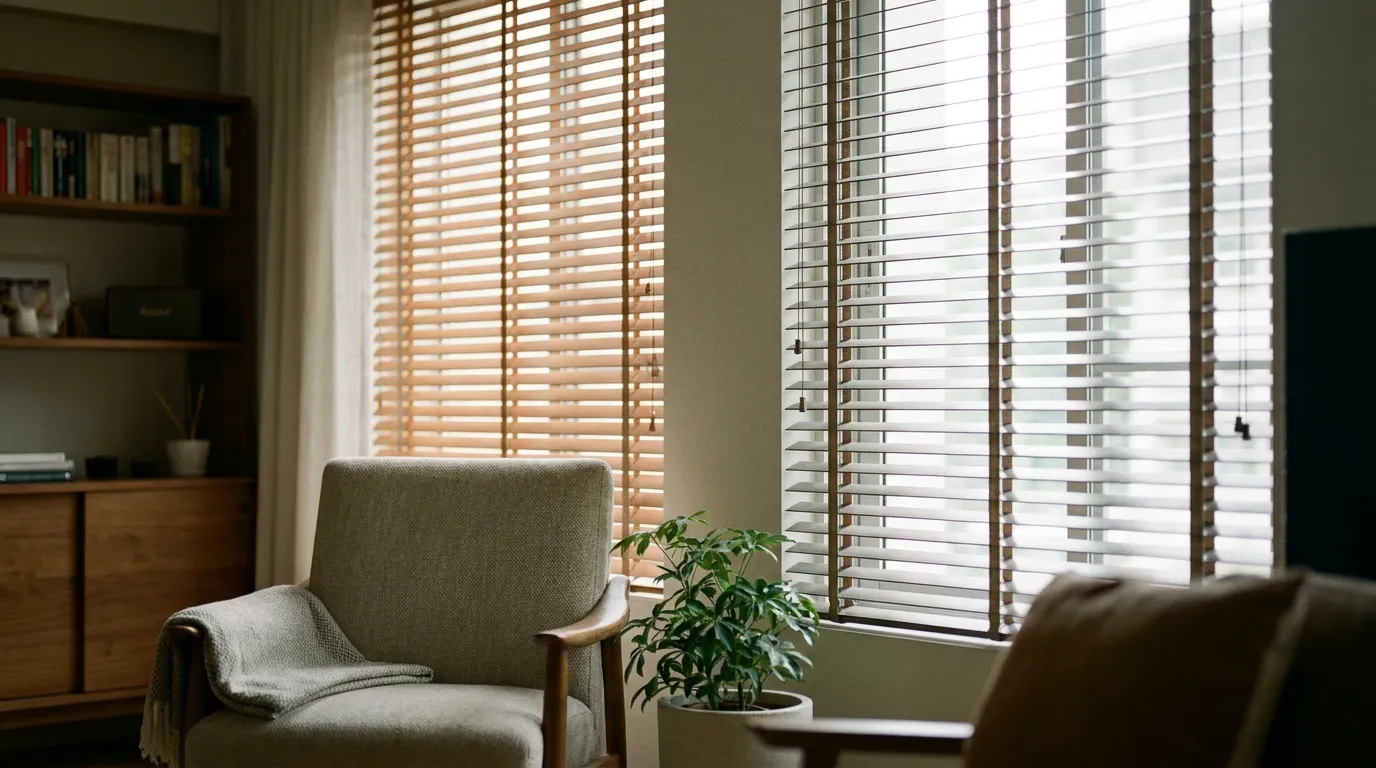
- Wood-polymer composite (WPC): mimics wood's appearance with better resistance to water and insects.
- PVC / vinyl: economical, moisture-resistant, suited to wet areas.
- Bamboo: tropical aesthetics, requires extra care against humidity.
Slat Width
- 15–16 mm: dense appearance, suited to small windows and minimalist styles.
- 25 mm: versatile, balanced light control.
- 35 mm: fewer slats, wider outward view.
- 50 mm: strong architectural impression, suited to large openings and premium interiors.
Wider slats provide a more open view when tilted, but require more stack space.
Wood-Polymer Durability
WPC combines wood powder with polymers, producing a material that resembles wood but resists moisture, mould, and termites better. For Bali coastal villas, WPC is an attractive compromise between wood aesthetics and tropical durability. Check the polymer content and manufacturer warranty.
Tropical Climate Considerations
- Avoid real wood in high-humidity areas without regular maintenance.
- Choose stainless or coated hardware components.
- Ensure slats do not warp under direct heat exposure.
Conclusion
Material and slat width selection should align with the room, humidity level, and aesthetic preference. Almeers Living can help compare Venetian blind options for your property's needs.