Types of Blinds: Every Style Explained, and Which Room Each Suits — Slat Size Variations, Room Moisture Tolerance, and Mechanism Durability Ratings
Selecting window treatments requires matching specific blind mechanics and materials to the distinct environmental demands of each room in your home. From high-steam bathrooms to high-sun living rooms, each window blind category offers tailored functional advantages regarding light control, privacy, moisture tolerance, and spatial aesthetics.
Here is an architectural guide detailing every major window blind style and its ideal room application.
1. Roller Blinds: Sleek Minimalist Versatility
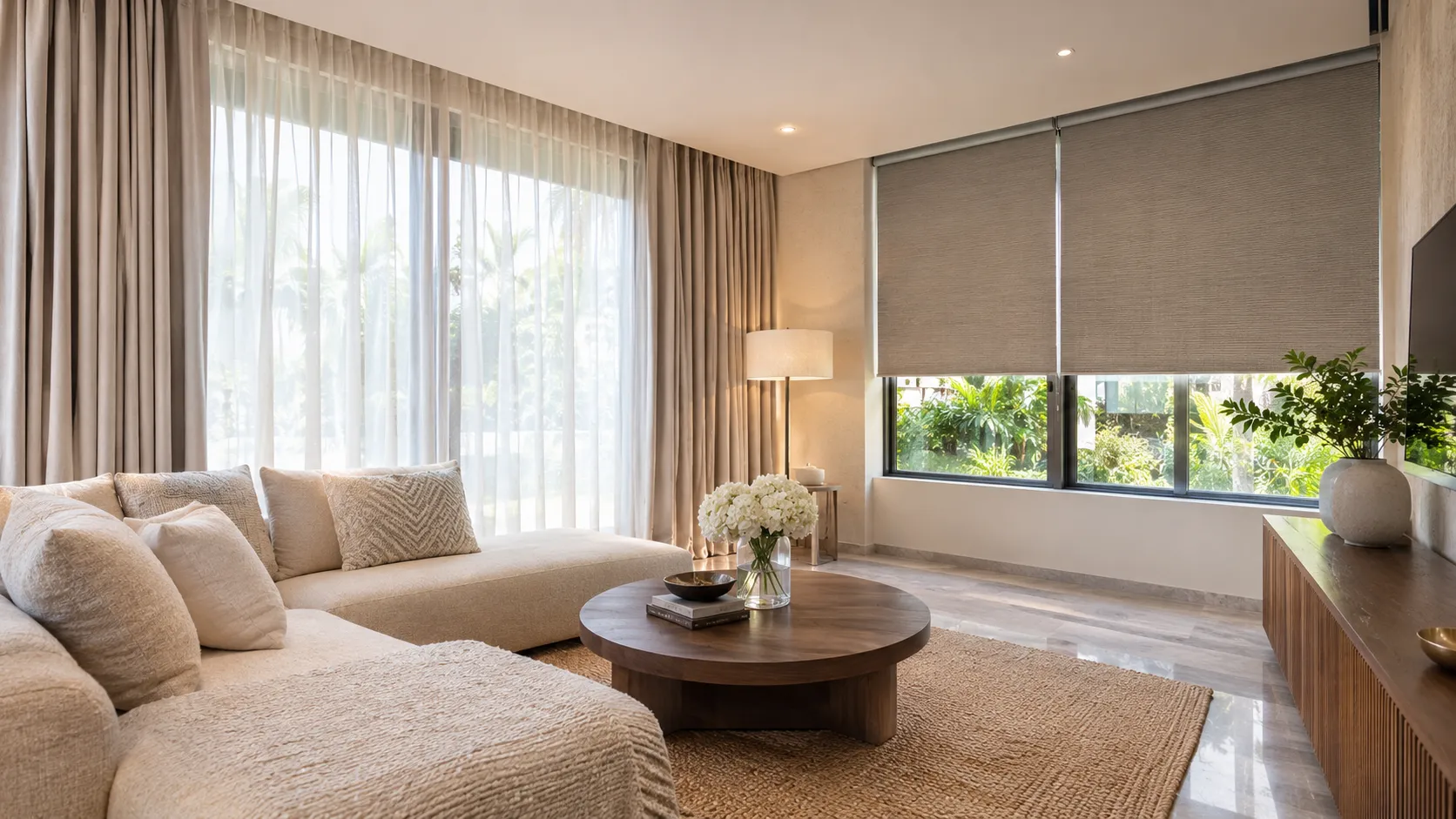
Ideal For: Home offices, kitchens, and modern open-plan living rooms. Roller blinds roll neatly around a top tube mechanism, offering space-saving profiles, glare reduction, and clean contemporary aesthetics.
2. Venetian Blinds: Granular Horizontal Light Control
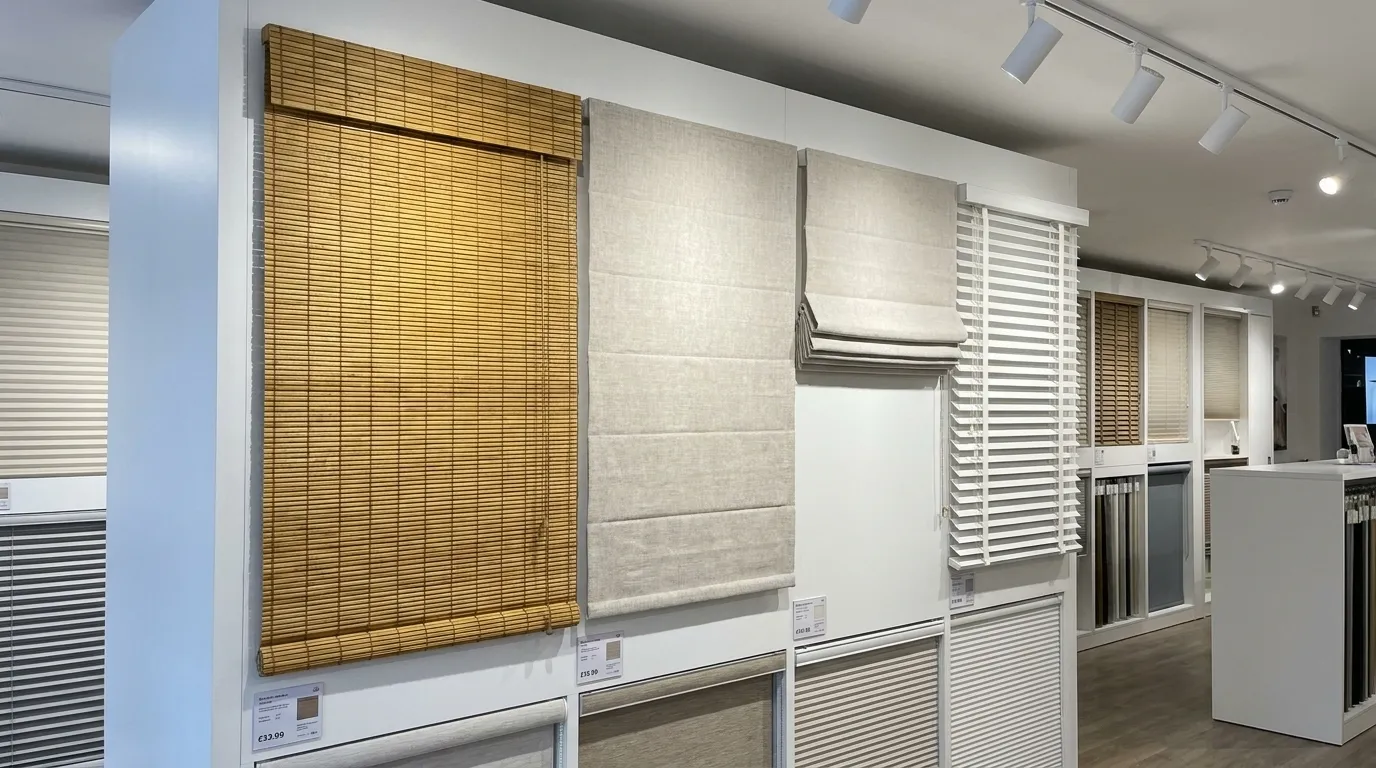
Ideal For: Study nooks, living rooms, and bathrooms. Available in natural hardwood, composite faux wood, or aluminum. Tilting horizontal slats regulates solar angles and eye-level privacy simultaneously.
3. Roman Shades: Tailored Fabric Warmth
Ideal For: Master bedrooms, formal dining spaces, and cozy lounges. Roman shades lift into soft horizontal fabric pleats, introducing acoustic sound dampening and rich tactile warmth.
4. Zebra (Dual) Shades & Cellular Honeycomb Blinds
Ideal For: Bedrooms and sun-exposed glass facades requiring dynamic day-to-night light shifting or maximum thermal insulation through cellular air traps.
5. Expert Guidance by Almeers Living
Find the ideal blind style for every room with expert help. As a leading window treatment specialist in Bali, Almeers Living supplies and installs custom blinds engineered for durability, climate resilience, and modern elegance.